
Guyana Travel Tips and Information

Official Name
Republic of Guyana
Capital
Georgetown
Population
Country Code
Approximately 2.2 million
GY
Country Code (international calls)
+592
The flight time to Guyana is approximately 5~8 hours. Check the climate, currency, religion, manners, other information of Guyana below. Wishing you pleasant travels to Guyana.
Guyana is located in the northern part of the South American continent. It faces the North Atlantic Ocean to the north, borders Suriname to the east, Brazil to the south, and Venezuela to the west. It is the third smallest country on the South American continent.

Local Climate / Weather
Guyana, a South American gem, offers a tropical climate characterized by warm temperatures and high humidity throughout the year. The average temperature typically ranges from 24°C to 31°C (75°F to 88°F), making it a comfortable destination for travelers accustomed to similar tropical conditions. The country experiences two distinct wet seasons and two dry seasons annually, which influence travel plans and local activities. Seasonal Travel Advice Dry Seasons (February to April and August to November): These months are ideal for exploring Guyana, as rainfall is minimal, and outdoor adventures, such as visits to the stunning Kaieteur Falls or trekking through the Amazon rainforest, are more accessible. Travelers planning to explore Georgetown or its coastal regions will find this the most comfortable time. Wet Seasons (May to July and December to January): The wet seasons bring frequent, though usually short-lived, rains. While the lush landscapes are a sight to behold during this time, heavy downpours may cause travel delays or make certain rural areas less accessible. Travelers are advised to pack waterproof clothing and plan indoor activities during these months. Major Events and Festivals Guyana is rich in cultural diversity, reflected in its vibrant festivals and events throughout the year: Mashramani (February): Celebrated every February to mark Guyana’s Republic Day, this carnival-style festival is a spectacle of colorful parades, music, and dancing. Visitors can immerse themselves in local culture and enjoy the joyous atmosphere. Phagwah (March): Also known as Holi, this Hindu festival of colors is a lively celebration involving colorful powders, traditional songs, and cultural performances. It is a must-see for travelers visiting during the dry season. Guyana Carnival (May): Held annually in Georgetown, the carnival showcases Guyana’s unique blend of Afro-Caribbean and South American culture through vibrant costumes, music, and street parties. Emancipation Day (August 1): This significant public holiday celebrates the abolition of slavery. It features traditional African dances, music, and feasts, offering a glimpse into the country’s historical roots. Diwali (October/November): The Hindu Festival of Lights is marked with beautiful displays of lamps and fireworks, especially in regions with significant Indo-Guyanese populations. Christmas Festivities (December): The Christmas season in Guyana is celebrated with unique traditions, such as preparing black cake and pepperpot. Visitors during this time can enjoy a festive and welcoming atmosphere.
Currency & Tipping
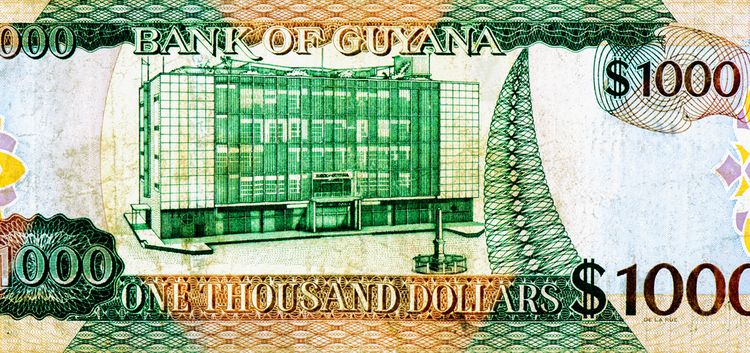
Currency
When traveling to Guyana, understanding its currency and tipping culture is essential for a smooth experience. The official currency is the Guyanese Dollar (GYD), which is widely used across the country. Travelers can easily exchange to Guyanese Dollars through major international currencies like the US Dollar at banks, currency exchange counters, or hotels. Credit cards are accepted in urban areas, but it's advisable to carry cash when visiting rural regions.
Tipping
Tipping is appreciated but not mandatory in Guyana. In restaurants, a 10% service charge is often included in the bill; however, an additional tip of 5-10% for excellent service is welcomed. For taxis and tour guides, rounding up fares or offering a small tip as a token of appreciation is common practice. Hotel staff, such as porters and housekeeping, generally receive tips ranging from GYD 500 to GYD 1,000, depending on the level of service.
Useful Travel Information

Voltage & Electrical Outlets
Guyana operates on a 120-240V supply with a frequency of 60Hz. The most commonly used plug types are Type A, Type B, and occasionally Type D. Travelers are advised to bring a universal travel adapter and check if their electronic devices are compatible with the voltage. Devices such as chargers and laptops with dual-voltage compatibility are safe to use. For single-voltage devices, a voltage converter may be necessary.

Internet Connectivity
Staying connected in Guyana is relatively straightforward, though internet speeds can vary between urban and rural areas. Most cities, including Georgetown, offer reliable access through local carriers such as GTT (Guyana Telephone and Telegraph) and Digicel Guyana. GTT provides mobile data plans and broadband services, popular among locals and tourists alike. Prepaid SIM cards with data packages are available for purchase at major retail stores and airports. Digicel Guyana offers competitive packages, including unlimited social media use and flexible short-term plans, ideal for travelers. Free Wi-Fi is common in hotels, cafes, and some public spaces, but downloading offline maps or purchasing a local SIM card ensures uninterrupted connectivity during your trip.

Water for Consumption (Drinking Water)
The availability of safe drinking water is a crucial consideration. While tap water in urban areas like Georgetown is treated, it is recommended to boil water or use a portable water filter before consumption due to the possibility of contamination in the distribution network. Bottled water is widely available in grocery stores and hotels, ensuring a convenient and safe option for travelers. For extended trips or visits to rural areas, consider carrying a reusable water bottle with a built-in filter. This is an environmentally friendly way to stay hydrated while exploring Guyana’s stunning natural attractions, such as Kaieteur Falls and the Amazonian rainforests.
Culture, Religion & Social Etiquette
Culture
Guyanese culture thrives on its diverse heritage, with traditions deeply rooted in the customs of its major ethnic groups. Travelers will notice the influence of East Indian and African traditions in Guyanese music, dance, and culinary practices. Popular celebrations such as Mashramani (Republic Day), marked by vibrant parades and music, and Phagwah (Holi), a colorful Hindu festival, showcase the country's festive spirit. Traditional storytelling, oral folklore, and indigenous crafts highlight Guyana's deep connection to its Amerindian roots. Sharing meals, offering help to strangers, and lively conversations are common elements of Guyanese life.
Religion
Guyana’s religious landscape reflects its cultural diversity. The three dominant religions are Christianity, Hinduism, and Islam, each with significant followers. Catholics and Christians may find familiar practices and celebrations in Guyanese Christian communities, particularly during Christmas and Easter. Hindu temples and Islamic mosques are also present, and their festivals like Diwali and Eid al-Fitr are celebrated with grandeur, offering a chance to witness unique rituals and traditions. Travelers should respect local religious practices, such as removing shoes before entering places of worship and observing modest attire during religious events or visits to sacred sites.
Social Etiquette
Guyanese social manners emphasize respect and politeness. Greetings are important; a simple "Good morning" or "Good afternoon" is customary when meeting locals. Shaking hands is a common form of greeting, often accompanied by direct eye contact and a friendly smile. When invited to a Guyanese home, it’s courteous to bring a small gift, such as flowers or sweets, and to express gratitude for the hospitality. Dining etiquette includes waiting to be invited to start eating and complimenting the food, which is seen as a sign of respect and appreciation.
Food Culture
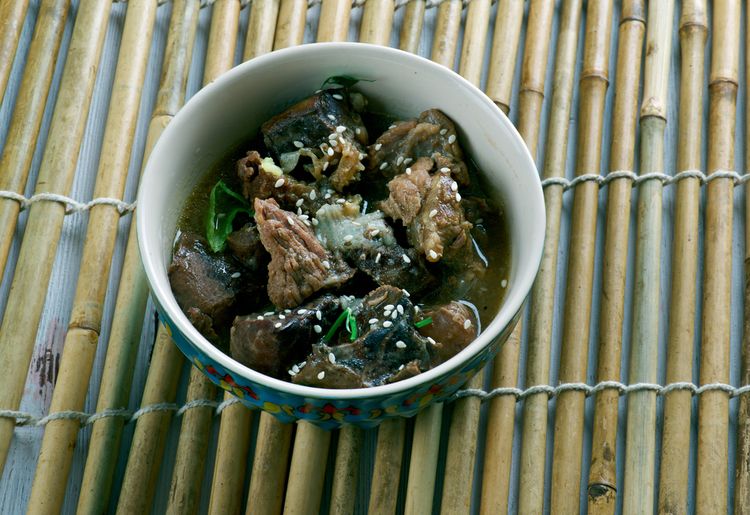
Guyana offers a unique and vibrant food culture that reflects its diverse heritage, making it a fascinating culinary destination for travelers. Guyanese cuisine is a rich fusion of African, Indian, European, and Indigenous influences, resulting in flavorful dishes that highlight bold spices, fresh ingredients, and hearty cooking techniques. Travelers will encounter staples like pepperpot, a traditional Amerindian dish made with cassareep (a sauce derived from cassava) and slow-cooked meat, often enjoyed during special occasions. Another must-try is cook-up rice, a one-pot dish that combines rice, beans, coconut milk, and a choice of meat or fish. Street food in Guyana is an adventure in itself, with vendors offering an array of savory snacks and quick bites perfect for travelers on the go. Visitors will find delights such as roti paired with curry, reminiscent of Indian-inspired flavors, and pholourie, fried dough balls served with tangy tamarind sauce, which echo the sweet and savory balance often loved in the street food. For a refreshing treat, black pudding and cassava balls are popular options that highlight Guyana’s creative use of local ingredients. When dining in Guyana, exploring local restaurants is essential for experiencing the country’s culinary depth. Restaurants such as The Backyard Café in Georgetown provide an intimate farm-to-table experience where fresh ingredients shine in every dish. For a more casual setting, Shanta’s Puri Shop offers delicious puri and curry dishes that are both affordable and authentic. Another highly recommended spot is The Georgetown Club, known for its blend of local and international cuisine served in a refined atmosphere. Travelers will also appreciate the tropical flavors of Guyanese beverages, such as fresh fruit punches made with mango, passion fruit, or guava, as well as mauby, a unique herbal drink with a bittersweet flavor. The food culture in Guyana is a reflection of its warm and welcoming people, ensuring travelers feel a sense of connection through shared culinary traditions. Whether sampling street food or dining in cozy local restaurants, Guyana promises an unforgettable gastronomic journey.
Major Tourist Attractions & UNESCO World Heritage Sites
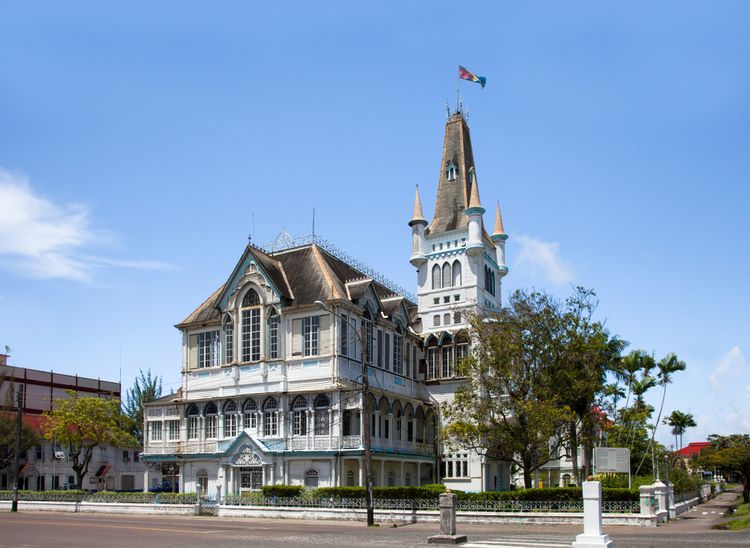
Major Tourist Attractions
1.Kaieteur Falls Renowned as one of the world’s most powerful waterfalls, Kaieteur Falls is five times taller than Niagara Falls. Surrounded by dense rainforest, this awe-inspiring destination is perfect for nature lovers and photographers. Visitors can enjoy scenic hikes and spot rare wildlife such as the golden frog and the Guianan cock-of-the-rock. 2.Iwokrama Rainforest This vast, untouched rainforest is a biodiversity hotspot and a prime destination for travelers seeking an adventurous escape. Explore the Iwokrama Canopy Walkway, which offers panoramic views of the treetops, and engage in birdwatching or guided treks to learn about Guyana's rich flora and fauna. 3. Georgetown Guyana’s capital city blends colonial charm with vibrant local culture. Must-visit attractions include St. George’s Cathedral, one of the tallest wooden churches in the world, and the bustling Stabroek Market, where tourists can shop for unique souvenirs, fresh produce, and local crafts. 4. Mount Roraima A bucket-list destination for thrill-seekers, Mount Roraima is a mystical flat-topped mountain that inspired Arthur Conan Doyle’s The Lost World. Travelers can embark on multi-day treks to the summit, enjoying breathtaking views, unique rock formations, and endemic plant species. 5. Shell Beach Stretching over 140 kilometers, this pristine beach is a nesting ground for four endangered sea turtle species. Visitors can participate in conservation efforts or simply relax while taking in the serene beauty of Guyana’s coastline.
UNESCO World Heritage Sites
1.Historic Georgetown (Tentative UNESCO Listing) Georgetown's well-preserved colonial architecture reflects its history under Dutch and British rule. Walking tours of the city provide travelers with insights into its multicultural influences, seen in landmarks like the Parliament Building and the Walter Roth Museum of Anthropology. 2.Kaieteur National Park (Tentative UNESCO Listing) Protecting the area surrounding Kaieteur Falls, this national park is a sanctuary for rare wildlife and plants. Guided tours offer opportunities to learn about the park’s conservation efforts and experience its unparalleled natural beauty.
Travel FAQs
Is English spoken in Guyana?
English is the official language, which is rare in South America, so communication in English is possible
What is the most popular airport for flying to Guyana?
Cheddi Jagan International Airport.
How safe is Guyana? What should I be careful about?
Georgetown, the capital of Guyana, is not very safe. Avoid walking alone and try to stay in populated areas. Additionally, there is no embassy in Guyana, so reissuing a lost passport may take time.
How much should I tip during a hotel stay in Guyana?
Tipping is not customary.