


Name: Head Temple of the Kegon Sect, Tōdai-ji
Address: 406-1 Zōshi-chō, Nara City, Nara Prefecture
Official Website: http://www.todaiji.or.jp/index.html
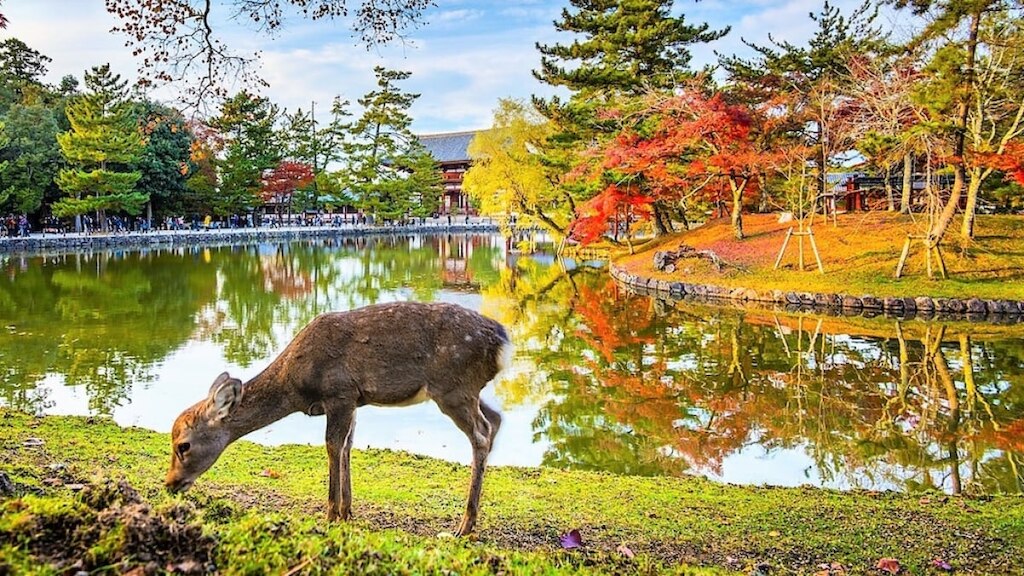
Must-Visit Tourist Spot in Nara! Highlights of Tōdai-ji Temple
Feb 6, 2026
474 views
Tōdai-ji is a temple of the Kegon sect and is famous for housing the Great Buddha of Nara, which is considered a symbol of Nara City. Located within Nara Park, the temple grounds include several culturally significant buildings that embody the essence of the Tenpyō culture. These include the Daibutsuden (Great Buddha Hall), which is one of the largest wooden structures in the world, the Nandaimon (Great South Gate), and the Nigatsudō Hall, among others.
Tōdai-ji is also part of the "Historic Monuments of Ancient Nara," a group of sites that have been recognized as a UNESCO World Heritage Site, alongside Kōfuku-ji Temple and Kasuga Taisha Shrine. It preserves many historically and culturally valuable assets, including numerous National Treasures and Important Cultural Properties.
This article provides a comprehensive guide to sightseeing at Tōdai-ji—from its main architectural features to its annual events.
table of contents
[x] close
Must-Visit Tourist Spot in Nara! Highlights of Tōdai-ji Temple
1. Kondō (Great Buddha Hall)
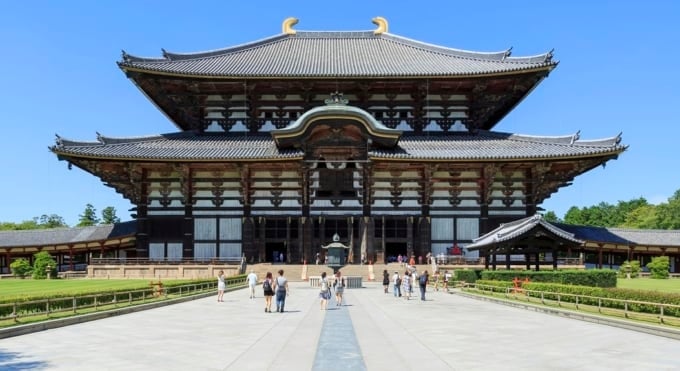
The Kondō of Tōdai-ji, also known as the Great Buddha Hall, is a National Treasure. It was originally constructed in 751 by Emperor Shōmu to enshrine the Great Buddha as its principal image. The Great Buddha, formally called Rushana Daibutsu (Vairocana Buddha), symbolizes “the Buddha who illuminates the world” or “the Radiant Buddha.” The present structure of the Great Buddha Hall was rebuilt during the Edo period and is recognized as one of the world’s largest wooden buildings, housing a giant Buddha statue approximately 18 meters tall.
A popular attraction within the hall is the pillar-passing ritual (hashira kuguri), where a pillar with a hole the same size as the Buddha’s nostril is located. Passing through it is believed to bring good health and protection from illness. The hole may be too small for many adults to squeeze through, but it’s worth checking out.
2. Nandaimon (Great South Gate)
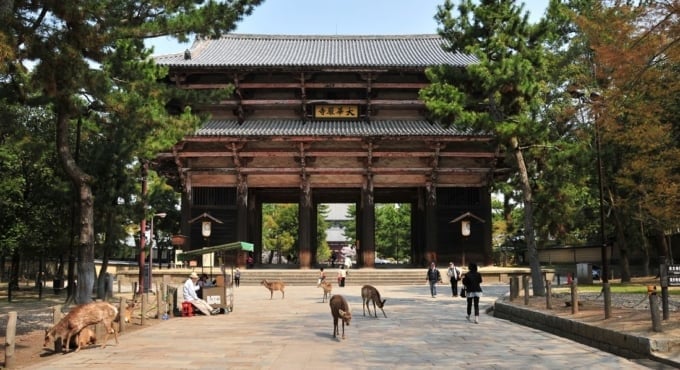
The Nandaimon, located at the southern entrance of Tōdai-ji, is the largest temple gate in Japan. The original gate, built during the Nara period, was destroyed by a typhoon in the Heian period. The current structure was rebuilt during the Kamakura period by the monk Chōgen, who led the temple’s restoration. At 25 meters tall, the gate commands great presence and authority.
Flanking the gate are the famous Niō Guardian Statues (Kongōrikishi-zō), masterpieces by the renowned sculptors Unkei and Kaikei. Installed in 1203, four years after the gate’s reconstruction, these statues—Agyō and Ungyō—stand about 8 meters tall and are strikingly powerful. Both the gate and the statues are designated National Treasures.
3. Hokke-dō (Lotus Sutra Hall)
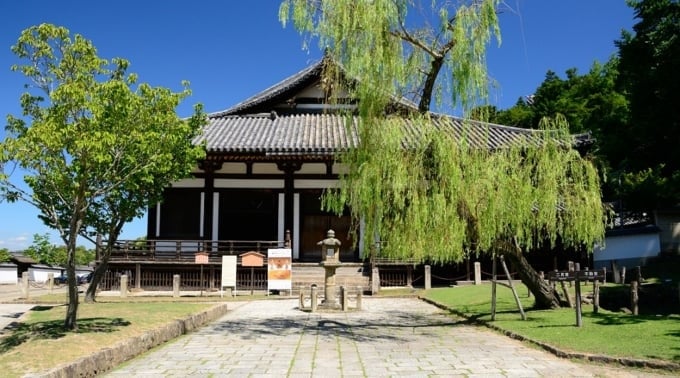
The Hokke-dō, also a National Treasure, is dedicated to the Fukū Kensaku Kannon (a form of Avalokiteśvara) and is the oldest building in the Tōdai-ji temple complex. Originally, the hall consisted of two adjacent structures—the Main Hall and the Worship Hall. The Main Hall, dating back to the Nara period, has been preserved since the temple's founding, while the Worship Hall was remodeled in the Kamakura period with a hip-and-gable style roof.
Inside, you’ll find an exceptional array of sculptures, including the statue of Fukū Kensaku Kannon, Niō Guardians, Brahma and Indra statues, and the Four Heavenly Kings—all designated as National Treasures. The statue of Shukongō-jin (a fierce protector deity), normally hidden from view, is displayed only once a year on December 16.
4. Nigatsu-dō (Hall of the Second Month)
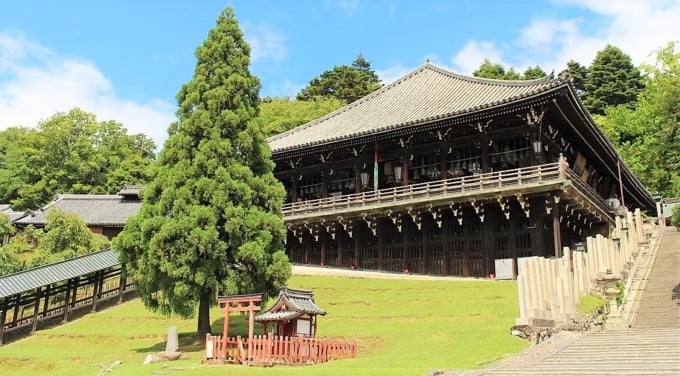
Located on the eastern side of the Tōdai-ji precinct, Nigatsu-dō is named after the traditional event held there in the second month of the lunar calendar called Shuni-e. This ceremony, which prays for the peace of the nation and its people, features the famous Omizutori (Water Drawing Ritual), where sacred water is drawn from a well to offer to the Eleven-Faced Kannon enshrined in the hall. The highlight is the Otaimatsu, when large torches are carried around the balcony, creating a dramatic and fiery display that attracts many visitors.
The current structure was rebuilt in 1669 and is also a designated National Treasure. Although the two principal statues of Kannon (the "Great" and the "Small") are hidden from public view, the building itself is open to visitors 24 hours a day.
5. Tōdai-ji Cultural Center
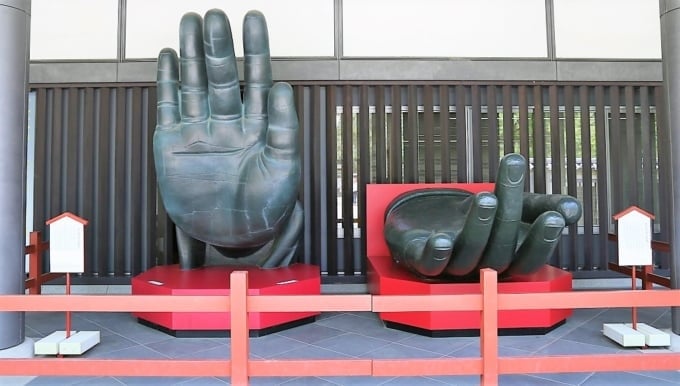
The Tōdai-ji Cultural Center was established to promote the teachings of the Kegon sect and to introduce the history and culture of Tōdai-ji. It includes a museum, storage facilities, library, and research institute. The museum displays numerous treasures owned by the temple—sculptures, paintings, and crafts—spanning from the Nara period to modern times. Many of these are National Treasures or Important Cultural Properties.
The center also features a shop and café, making it a great place to buy souvenirs or rest during your visit. Near the entrance, you can see life-sized replicas of the Great Buddha’s hands, giving you a real sense of its scale.
◎ Annual Events at Tōdai-ji
Tōdai-ji hosts many annual events, but the Omizutori at Nigatsu-dō is one of the most famous. Held over two weeks starting March 1, the water-drawing ritual takes place late at night on March 12 and draws large crowds—arriving early is highly recommended.
Other notable events include the Setsubun festival in February, Buddha’s Birthday (Busshōe) on April 8, and the Mantō Kuyō-e, a lantern-lighting ceremony around the Great Buddha Hall. From mid-July to the end of September, the Great Buddha Hall and Nandaimon Gate are beautifully illuminated at night, offering a magical view quite different from the daytime atmosphere.
RELATED ARTICLES



REGIONS
CATEGORIES
FEATURED ON nara
-

5 Highlights of the Nara National Museum! Learn About Nara’s History Here
-

7 must-see tourist spots to enjoy Dorogawa Onsen and nature in the historic post town of Tenkawa Village
-
8 must-visit tourist spots in Yoshino Town that let you rediscover the beauty of Japan
-
Kasuga Taisha: One of Nara’s Premier Power Spots! Here Are the Tourist Highlights!
-

[3-Day Autumn Weekend] Must-Visit Destinations in Japan This September – Avoid the Crowds!
MOST POPULAR ON nara
-
 1
1How to Get to Taipei’s Raohe Street Night Market and Top Gourmet Spots
-
 2
2Must-Visit Stylish Tourist Spots in Horie, Osaka!
-
 3
350 Must-Visit Tourist Spots in Aomori Prefecture|Area-Specific Travel Guide
-
 4
420 recommended sightseeing spots in Tateshina, Nagano Prefecture! Enjoy all seasons
-
 5
5Top 8 Shopping Spots in Finland for Nordic Design Enthusiasts