


Name: Ruins of the Buddhist Vihara at Paharpur
Address: Paharpur Bihar Museum, Naogaon
Official/Related Website URL: http://whc.unesco.org/en/list/322
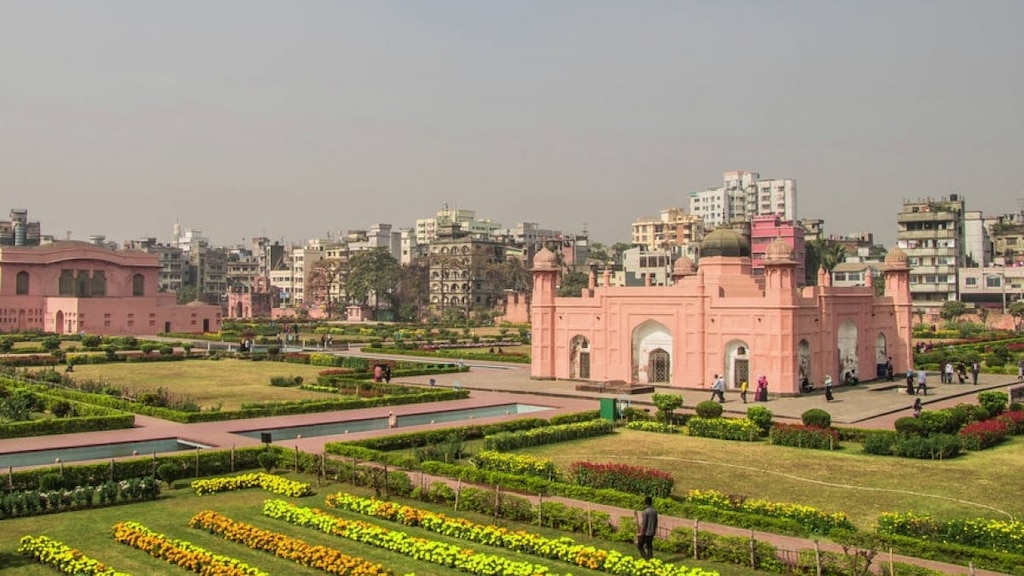
History and nature nurtured by a tropical climate! World Heritage Sites of Bangladesh
Apr 8, 2026
337 views
Bangladesh is an Asian country famous for its high population density and marine products. The vibrant, energetic streets and the cheerful, friendly people are also some of Bangladesh’s trademarks. This time, we’ll be introducing the World Heritage Sites of Bangladesh. The country has two cultural heritage sites and one natural heritage site, where you can enjoy religious facilities that retain traces of medieval history and the rich nature typical of Southeast Asia. Let’s take a look at these three World Heritage Sites!
table of contents
[x] close
History and nature nurtured by a tropical climate! World Heritage Sites of Bangladesh
1. Ruins of the Buddhist Vihara at Paharpur
Bangladesh has a long history as an Islamic country, but from the 8th to the 12th century, before the arrival of Islam, it was under the rule of the Pala dynasty, a Buddhist kingdom. During that era, Buddhism flourished within Bangladesh, giving birth to excellent Buddhist architecture and art. Among Bangladesh’s Buddhist sites, the Ruins of the Buddhist Vihara at Paharpur, one of the largest complexes, was inscribed as a UNESCO World Cultural Heritage Site in 1985.
Excavations at the site have unearthed sculptures used for temple decorations, giving it extremely high historical value. It is said that the architectural style of Paharpur influenced Angkor Wat, another famous World Heritage Site. Within the designated World Heritage area, there were originally many stupas and monasteries, but today only the foundations and walls remain.
2. Historic Mosque City of Bagerhat
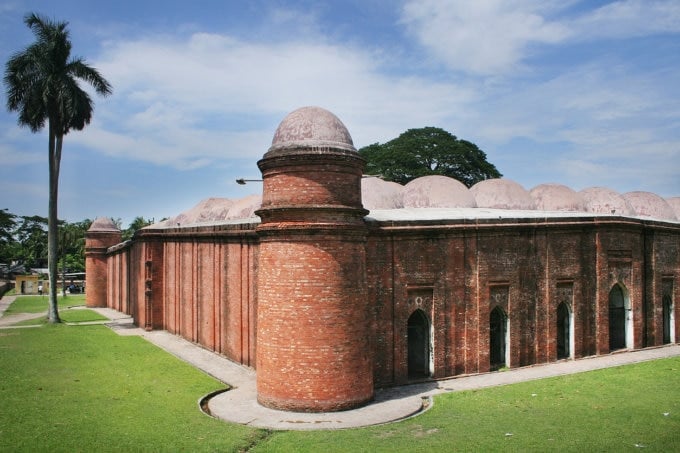
The Historic Mosque City of Bagerhat is a World Heritage Site located in southern Bangladesh. It was built in the late 15th century by the Islamic saint Khan Jahan. Numerous mosques and mausoleums remain, and the unique architectural style characterized by domes is known as the “Khan Jahan style.” Along with the Ruins of the Buddhist Vihara at Paharpur, it became one of Bangladesh’s first World Heritage Sites in 1985.
Among the many ruins, the most striking building is the Sixty Dome Mosque (Shait Gumbad). For its time, it is the largest structure of its kind in Bangladesh. It is a typical example of Khan Jahan style architecture, and its name in the local language means “mosque with 60 domes.” You can actually see 60 domes of various sizes.
Name: Historic Mosque City of Bagerhat
Address: Bagerhat-Khulna Rd, Bagerhat 9300
Official/Related Website URL: http://whc.unesco.org/ja/list/321
3. The Sundarbans
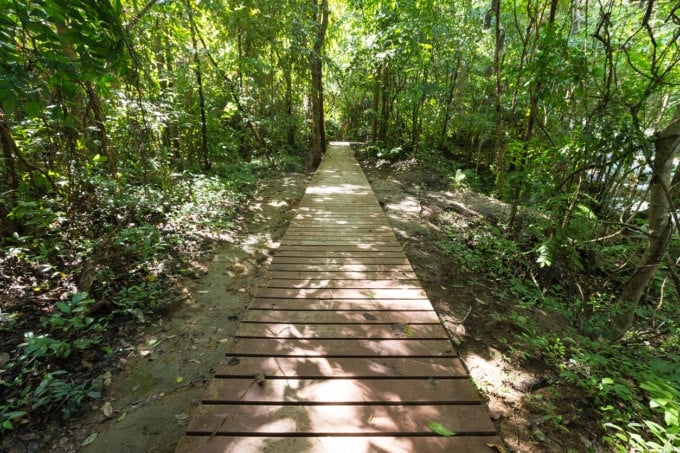
The Sundarbans is Bangladesh’s only natural World Heritage Site. It was inscribed in 1997. Spanning both India and Bangladesh, it is the world’s largest mangrove forest and home to many animal species. The most famous is the Bengal tiger, a rare animal listed as an endangered species. There are also many valuable aquatic animals such as crocodiles and dolphins, as well as mammals like deer and otters, and more than 240 species of birds have been recorded.
In Bangladesh, the dry and rainy seasons are clearly divided, and during the rainy season the monsoon rages. Temperatures also rise, making conditions extremely harsh for tourists visiting the World Heritage Site. Sightseeing is only possible in the dry season, so you need to be careful when planning a visit.
Name: The Sundarbans
Address: Khulna Division, Bangladesh and South 24 Parganas, West Bengal, India
Official/Related Website URL: http://whc.unesco.org/en/list/798
◎ Summary
We’ve introduced the World Heritage Sites of Bangladesh. These sites are places where you can experience the country’s history and nature with your whole body. The precious heritage born from the land and climate of Bangladesh is full of things, so be sure to visit if you have the chance.
RELATED ARTICLES




REGIONS
CATEGORIES
FEATURED ON Bangladesh
-
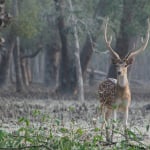
Bengal Tigers live in a vast Mangrove Forest! The World Heritage Site: The Sundarbans
-
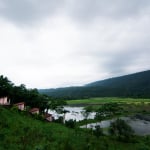
Let’s play in the magnificent great outdoors! 4 must-see tourist spots in “Sylhet,” Bangladesh
-

Emerging Tourist City! 5 Must-See Attractions in Chittagong, a Raw Gem!
-

5 Must-Visit Tourist Spots in Dhaka, Bangladesh
-
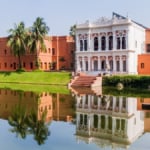
One of the world’s most pro-Filipino countries! 10 popular tourist spots in Bangladesh!
MOST POPULAR ON Bangladesh
-
 1
1Doha: Must-see Attractions in the Capital of Qatar
-
 2
2Toronto: 10 Things to do in this Picturesque Canadian City
-
 3
3Amarillo: A City Famous for It’s Amazing Canyons, Great History and Music
-
 4
4South Korea: Dazzling Scenery, Rich Culture and Fascinating History
-
 5
5Kuwait: A Country in Middle East Asia Famous for Hot Sand Dunes and Stunning Cityscape