


Name: Kutsuna Archipelago
Address: Matsuyama City, Ehime Prefecture
Official Website: https://www.dandanmatsuyama.com/kutsuna/
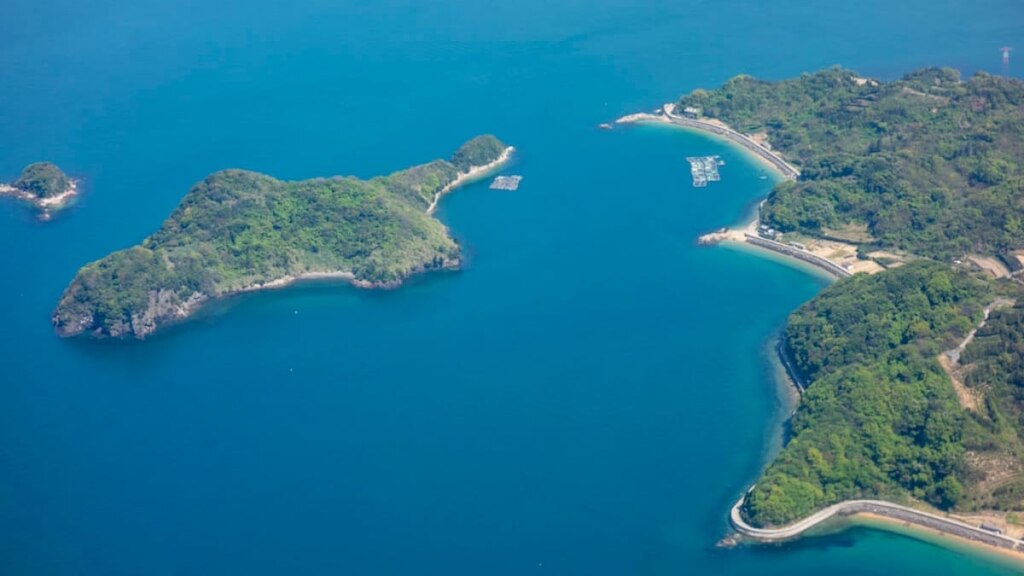
From Matsuyama to the Seto Inland Sea’s Remote Islands! Introducing the Islands of the Kutsuna Archipelago You’ll Want to Visit for Sightseeing
Jan 22, 2026
405 views
The Kutsuna Archipelago is a group of remote islands easily accessible from Matsuyama, the largest city in Shikoku. The archipelago consists of more than 30 islands, including 9 inhabited ones. In spring, citrus blossoms bloom; in summer, white sandy beaches and the sea dazzle; in autumn, festivals bring liveliness; and in winter, the islands overflow with bright orange fruits. Thanks to their moderate distance from the city, they are also popular as candidate destinations for relocation. This time, we’ll introduce some of the islands in the Kutsuna Archipelago that are recommended for sightseeing.
table of contents
[x] close
From Matsuyama to the Seto Inland Sea’s Remote Islands! Introducing the Islands of the Kutsuna Archipelago You’ll Want to Visit for Sightseeing
Gogoshima
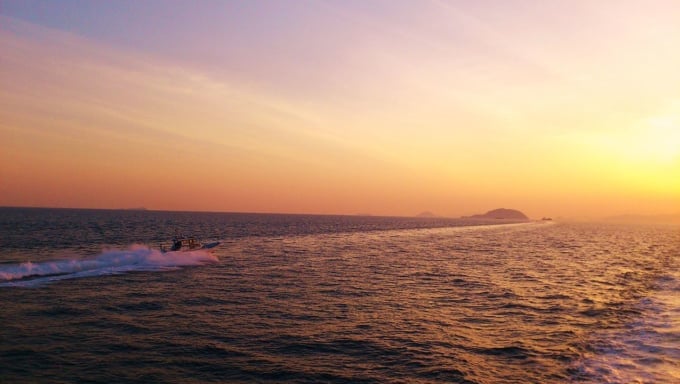
Gogoshima is about a 15-minute ferry ride from Takahama Port in Matsuyama. It is the second largest island in the Kutsuna Archipelago, where you can enjoy swimming in the beautiful sea or hiking up Iyo-Kofuji, which stands 282 meters tall.
The island also has many historic shrines and temples that attract visitors, and many enjoy touring its 88 pilgrimage sites. Every October, the “Fun Odori” festival, designated as an Important Intangible Folk Cultural Property of Ehime Prefecture, is also held here.
Shijushima
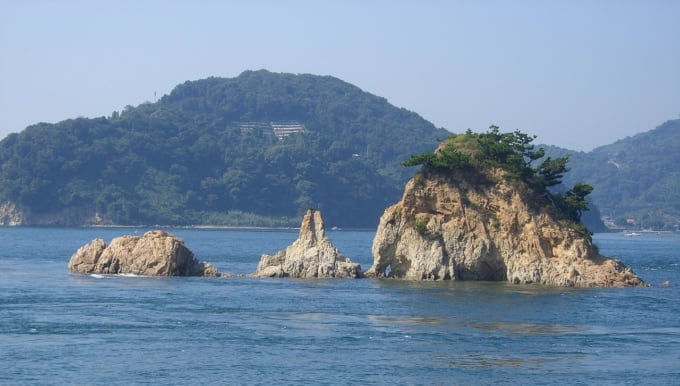
Shijushima, also known as Turner Island, consists of three rocky islets of granodiorite, with little vegetation other than pine. It is said to be the model for “Aojima” in Natsume Soseki’s famous novel Botchan. Because the shape of the pines resembled paintings by the English painter Turner, it was nicknamed “Turner Island.”
In the 1970s, the island’s pines were devastated by pine wilt disease. Thanks to the efforts of local citizens, more than 20 pines are now growing again.
Nakajima
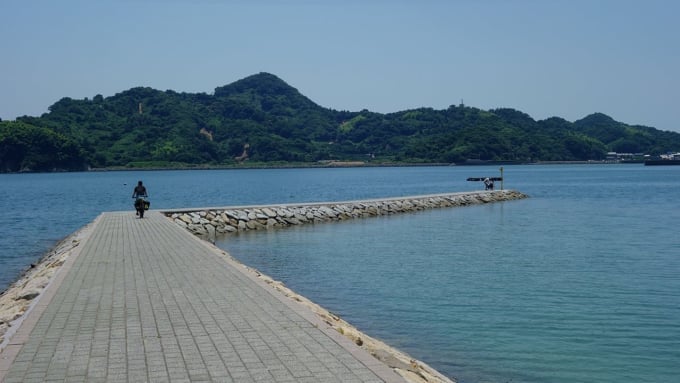
Nakajima is the largest island of the Kutsuna Archipelago. It is about 30 minutes by high-speed boat or 1 hour by ferry from Takahama Port in Matsuyama. With its convenient access to the city and rich natural environment, many people have chosen to relocate here.
Thanks to the warm and dry climate typical of the Seto Inland Sea, Nakajima boasts one of the largest citrus yields in Japan. There is a wide variety of citrus cultivated, and during harvest season the entire mountainside glows orange.
Nakajima is also known for its triathlons, with races held over two days every late August.
Muzukijima
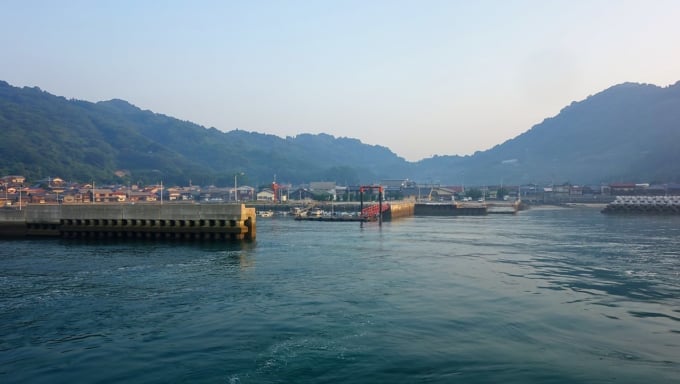
Muzukijima is about 30 minutes by ferry from Takahama Port. Located in the center of the Kutsuna Archipelago, just east of Nakajima, it once prospered as an island of peddlers who sold Iyo-kasuri fabric throughout Japan. Because of this, splendid nagaya-mon gates still line the coast. Today, it is known for its thriving citrus cultivation.
The island’s midsection features a road known as the “Muzuki Skyline,” offering breathtaking views, perfect for walking. It is also famous as a “cat island,” where friendly cats approach visitors.
Nuwajima
Nuwajima is the third-largest island of the Kutsuna Archipelago. It has two villages: Moto-Nuwa on the east side and Kami-Nuwa on the west. The island promotes the training of young farmers, and since most residents also hold fishing rights, both farming and fishing coexist here.
At Kami-Nuwa Port, there is a small peninsula called Marukobana. According to a sad legend, Princess Maruko, who was sailing offshore long ago, sank beneath the waves there, leaving her regrets behind.
Futagamijima
Futagamijima, once called Matsushima because of its abundance of pine trees, preserves the ancient beauty of Japan. It was even featured in the world-renowned magazine National Geographic.
Its autumn festival, the “Futagami Festival,” is said to have originated from the Fun Odori festival of Gogoshima. Though it was suspended for about 10 years, it was revived in 2015 and is now held on the sea.
Summary
Blessed with a warm climate and rich natural beauty, the Kutsuna Archipelago offers seasonal charm all year round—spring, summer, autumn, and winter. Families can enjoy leisure here, while solo travelers can take in the scenic views at their own pace. If you’re planning a trip to Matsuyama, why not extend your journey to the Kutsuna Archipelago as well?
RELATED ARTICLES

REGIONS
CATEGORIES
FEATURED ON Japan
-
Ancient history stroll: 8 must-visit tourist spots in Kashihara City for history lovers
-
From the Southeastern of Mount Hakodate, “Tachimachi Cape,” you can gaze out over the sheer cliff coastline and toward the Shimokita and Tsugaru Peninsulas.
-
Informatio About Yokohama Anpanman Children’s Museum
-
5 Must-Visit Tourist Spots in Nagasaki You Can Enjoy Even on Rainy Days
-
A Town in Full Bloom! Top 5 Must-Visit Tourist Spots in Sera, Hiroshima
MOST POPULAR ON Japan
-
 1
1Doha: Must-see Attractions in the Capital of Qatar
-
 2
2Toronto: 10 Things to do in this Picturesque Canadian City
-
 3
3Amarillo: A City Famous for It’s Amazing Canyons, Great History and Music
-
 4
4South Korea: Dazzling Scenery, Rich Culture and Fascinating History
-
 5
5Kuwait: A Country in Middle East Asia Famous for Hot Sand Dunes and Stunning Cityscape