


Name: Cultural Sites of Al Ain
Official/Related Site URL: http://whc.unesco.org/en/list/1343
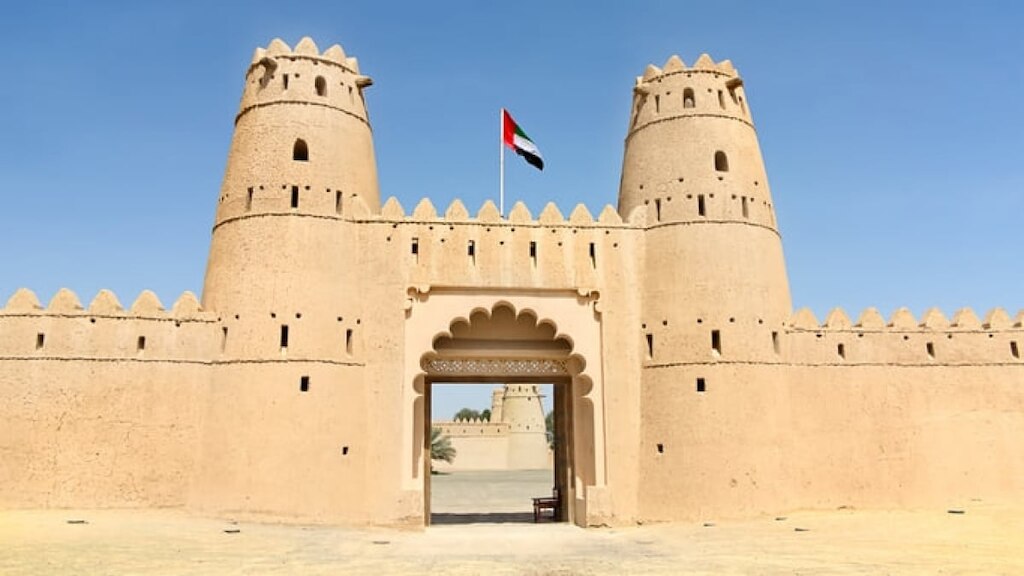
The only World Heritage Site in the United Arab Emirates: The Cultural Sites of Al Ain
Feb 3, 2026
482 views
Al Ain is the second largest city in the Emirate of Abu Dhabi, United Arab Emirates. It has long flourished as an oasis in the desert. Unlike Dubai, with its remarkable economic growth and skyline of skyscrapers, Al Ain is filled with lush palm groves and expansive tranquil scenery.
The Al Ain sites are the UAE’s only World Heritage Site, where people have lived since the Neolithic period. Tombs, houses, and ancient irrigation facilities remain, making it one of the most popular tourist attractions. Here, we introduce the World Heritage cultural sites of Al Ain.
table of contents
[x] close
The only World Heritage Site in the United Arab Emirates: The Cultural Sites of Al Ain
Cultural Sites of Al Ain
The cultural sites of Al Ain were inscribed in 2011 as the only World Heritage Site in the United Arab Emirates. Located in the eastern part of the country, near the border with Oman, “Al Ain” means “spring” in Arabic. It has long prospered as an oasis in the desert and was known as a city where merchants traveled.
Excavations around Al Ain reveal evidence of human settlement from the Neolithic period, including circular stone tombs, wells, and mudbrick houses. Al Ain also preserves a falaj irrigation system, an underground water system created about 3,000 years ago.
How to get to Al Ain
From Dubai, long-distance buses depart from the Al Ghubaiba bus station to the World Heritage Site, taking about 2–3 hours. Taxis and rental cars are also options, but joining one of the many tours from Dubai is convenient.
Three highlights of the Cultural Sites of Al Ain
Hili Gardens
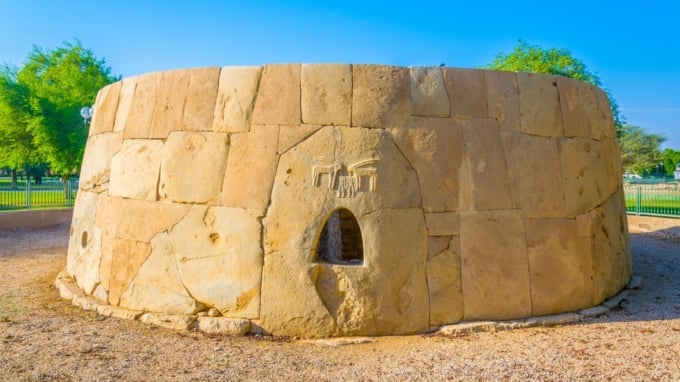
The Al Ain sites consist of Hafeet, Hili, Bidaa Bint Saud, and the Oasis areas. Hili Gardens, about 10 km from central Al Ain, features Bronze Age settlements (2500–2000 BC). Excavated in 1995 and later restored, it is now open as a public park.
The World Heritage-listed Hili Gardens feature reconstructed circular stone tombs and dwellings, alongside fountains and playgrounds, making it a place of leisure for both tourists and locals. The vast area is believed to still contain many undiscovered ruins.
Al Ain Oasis
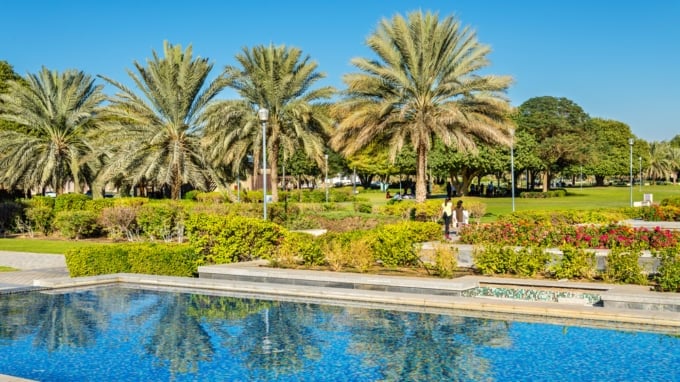
Al Ain Oasis lies in the city center, preserving irrigation channels from 3,000 years ago. Its falaj irrigation system is one of the oldest known. The surrounding area is dense with date palms, showing the oasis’s historic value in the desert.
The system remains active today, irrigating a 1,200-hectare plantation with more than 147,000 date palms across over 100 varieties. The oasis also houses a palace once inhabited by the late Sheikh Zayed bin Sultan Al Nahyan, now a museum displaying his belongings and excavated artifacts.
Hafeet
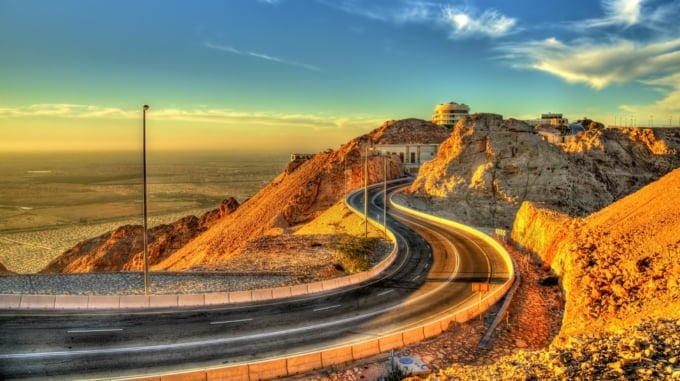
Hafeet, a mountain south of Al Ain rising to 1,240 meters, is striking in the otherwise flat UAE landscape. Tombs discovered here are considered among the oldest stone structures in the Arabian Peninsula.
A paved road makes it easy to ascend the mountain, offering sweeping views of Al Ain. At its base lies Green Mubazzarah, a hot spring resort developed by Sheikh Zayed for the public. This rare natural hot spring attracts many visitors from Dubai and neighboring countries.
Important notes for visiting the Cultural Sites of Al Ain
The UAE is a desert country where summer (April–November) daytime temperatures can approach 50°C. Even nights remain above 30°C, so outdoor sightseeing is best avoided during this time. While buses run to Al Ain, the attractions are spread out, so taxis, rental cars, or tours are more efficient.
◎ Summary
Al Ain is a great day-trip destination from Dubai. With tours departing from both Dubai and Abu Dhabi, it offers a unique contrast to the modern cityscapes. Depending on the tour, you may also visit camel farms or local markets, making it possible to enjoy more of Al Ain’s attractions.
RELATED ARTICLES





REGIONS
CATEGORIES
FEATURED ON United Arab Emirates
-

Dubai Food Festival 2025: Discover Local & Global Gourmet Flavors | Feb 26 – Mar 14
-

Beautiful Arabian goods galore! Recommended souvenirs to buy in Abu Dhabi!
-
Go on a Day Trip from Dubai! 5 Tourist Destinations in Sharjah, the Third Largest City in the UAE
-
Abu Dhabi is Hot Right Now! Follow This Model Itinerary for a Grown-Up Girls’ Trip
-

[2023 Fall Edition] 15 Must-Visit International Travel Destinations – From Classics to Hidden Gems
MOST POPULAR ON United Arab Emirates
-
 1
1Doha: Must-see Attractions in the Capital of Qatar
-
 2
2Toronto: 10 Things to do in this Picturesque Canadian City
-
 3
3Amarillo: A City Famous for It’s Amazing Canyons, Great History and Music
-
 4
4South Korea: Dazzling Scenery, Rich Culture and Fascinating History
-
 5
5Kuwait: A Country in Middle East Asia Famous for Hot Sand Dunes and Stunning Cityscape