


Name: Takehara City Important Preservation District for Groups of Traditional Buildings
Address: Around Honmachi, Takehara City, Hiroshima Prefecture
Official Website: http://www.takeharakankou.jp/guide/see/post_1.php
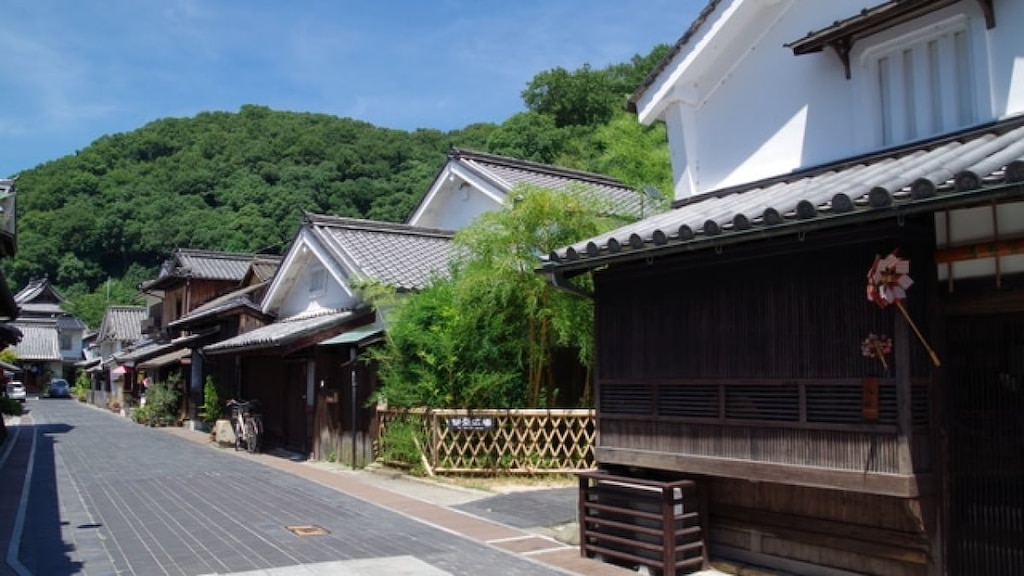
Top 4 Must-Visit Tourist Attraction in Takehara City That Will Make You Want to Return
Mar 17, 2026
363 views
Take a journey to Takehara, once known as the “Little Kyoto of Aki” due to its historical prosperity as a manor of Kyoto’s Shimogamo Shrine. Even today, the old-world charm remains alive in the Kamiichi and Shimoichi districts, where traditional residences and streetscapes have been beautifully preserved. This timeless scenery draws countless visitors, earning rave reviews from travelers seeking authentic Japanese heritage. Blessed with both sea and mountains, Takehara offers delicious local gourmet specialties. In summer, you can enjoy activities like swimming at scenic beaches or hiking lush mountain trails. Throughout the year, vibrant festivals celebrate the seasons, showcasing the unity of the locals and their deep love for their city—making Takehara a truly charming tourist destination.
If you visit Takehara, don’t miss these four must-see attractions. Take a leisurely stroll, immerse yourself in its rich history, and experience the warmth of its culture. You’ll surely leave with a newfound love for this captivating city.
table of contents
[x] close
Top 4 Must-Visit Tourist Attraction in Takehara City That Will Make You Want to Return
1. Takehara City Important Preservation District for Groups of Traditional Buildings: A Timeless Stroll Through History
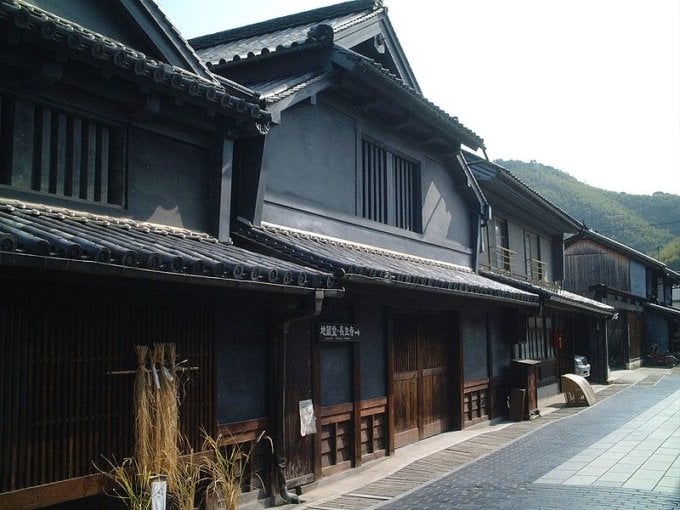
Designated on December 16, 1982, as a National Preservation District, the Takehara City Important Preservation District for Groups of Traditional Buildings is where history and architecture blend beautifully. Here, you’ll encounter structures with fascinating stories, including the oldest building dating back to 1691. Simply walking through the area evokes a nostalgic charm, with architectural styles such as tsuma-iri (gable-end entry), hira-iri (side-gable entry), nagaya (row houses), and grand estates with tall fences.
Unlike other historic districts with uniform designs, Takehara offers a varied and surprising streetscape, making every step a new discovery. The harmonious blend of Edo, Meiji, and Showa-era architecture creates a unique atmosphere that can only be experienced here. A must-visit highlight is Taketsuru Sake Brewery, one of the oldest establishments in Hiroshima Prefecture, known as the birthplace of Masataka Taketsuru, founder of Nikka Whisky. Built in 1733, the building now serves as a sake museum, preserving and sharing the rich history of Japanese sake brewing.
As you explore, look out for intricate latticework, sukashibori (openwork carvings), and deko-goshi (projecting lattice windows)—each detail reflects the craftsmanship of its time. This is not a spot to rush; instead, take your time to fully appreciate the charm of Takehara’s historic preservation district.
2. Resort Island "Kyukamura Ohkunoshima"
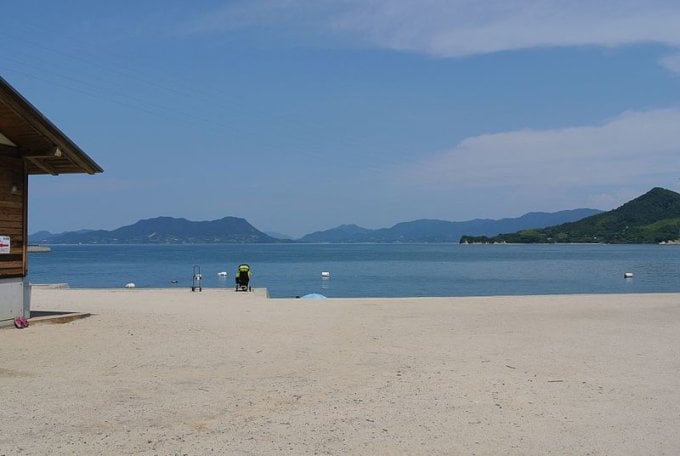
Floating in the Seto Inland Sea off Takehara City, the charming resort island Kyukamura Ohkunoshima is a small paradise with a circumference of just 4.3 kilometers. Accessible only by ferry, this car-free island lets you slow down and savor the moment. Tropical plants such as sago palms and coconut trees add to the island’s relaxing, resort-like atmosphere.
Historically, Ohkunoshima is known as the “Island Erased from Maps” and has the nickname “Poison Gas Island.” During World War II, it was a secret site for chemical weapons production and was deliberately removed from public maps. Many people tragically lost their lives due to poison gas exposure, making it a historically significant location that still shares its wartime history with visitors.
Today, the island is more affectionately called “Rabbit Island” because over 700 adorable wild rabbits roam freely. Their origin traces back to a few school-kept rabbits that bred over time. These friendly animals approach visitors, especially when offered food, making it a favorite spot for animal lovers. Guests can even watch rabbits from their hotel windows, creating a heartwarming and unique experience.
Ohkunoshima is also a haven for outdoor activities. Visitors can enjoy the Seto Inland Sea’s beautiful beaches and fresh seafood, go swimming, hiking, fishing, or cycling. The summer season is particularly lively, attracting travelers seeking both relaxation and adventure.
Name: Kyukamura Ohkunoshima
Address: 5476-4 Tadanoumi-cho, Takehara City, Hiroshima Prefecture
Official Website: http://www.qkamura.or.jp/ohkuno/
3. Saifōji Fumyo-kaku: Inspired by Kyoto’s Kiyomizu-dera
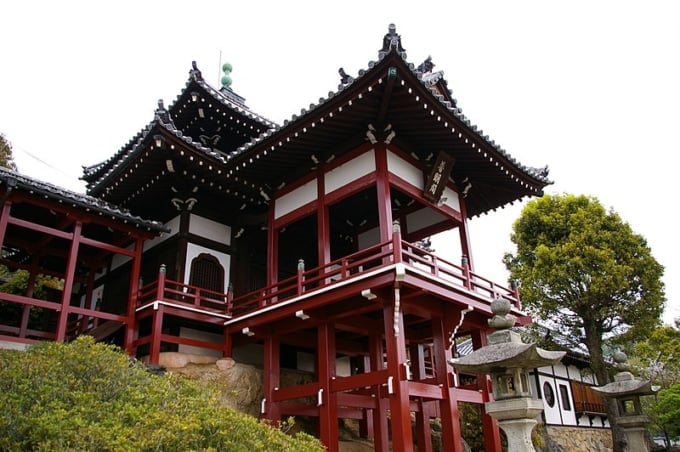
The Fumyo-kaku, the Kannon Hall of Saifōji Temple, was built in 1756 (Meiwa 2) and stands proudly on a high platform beside the temple’s main hall. It is said to have been modeled after Kyoto’s world-famous Kiyomizu-dera, making it one of Takehara City’s most iconic landmarks.
This historic hall has also been featured as a setting in popular anime such as The Girl Who Leapt Through Time (Toki o Kakeru Shōjo) and Tamayura. Even if you don’t know its name, chances are you’ve seen its picturesque structure in photos or films.
Climbing up to Fumyo-kaku rewards visitors with a panoramic view of the entire town of Takehara—an enchanting sight that may make you forget you’re just visiting. Its tranquil atmosphere invites you to linger, and as a beloved symbol of the city, it’s a must-visit destination for travelers.
Name: Saifōji Fumyo-kaku
Address: 3-10-44 Honmachi, Takehara City, Hiroshima Prefecture
Official Website: http://www.takeharakankou.jp/guide/see/saihoji.php
4. Interactive Tourist Attraction: Ishiburo Onsen Iwanoya
At Ishiburo Onsen Iwanoya, visitors can experience the unique bath culture of the Seto Inland Sea area through the traditional ishiburo (stone bath). Located along the scenic Tadokumi Miyadoko Coast, this ancient Japanese steam bath is built inside a seaside cave lined with marine algae, offering breathtaking views of islands like Ōkunoshima and Ōmishima. Inside the high-temperature, high-humidity stone chamber, your metabolism gets a healthy boost. Before World War II, several stone baths like this existed, but today, this is the only one remaining.
In the past, ishiburo were common in areas without natural hot springs—especially around the Seto Inland Sea—serving as beloved wellness facilities for locals. Ishiburo Onsen Iwanoya features two steam rooms: one at 60–90°C and another at 40–60°C. While it’s not a bathing facility for washing, the steam treatment leaves your skin smooth and radiant, enhancing beauty naturally. As it is a mixed-gender facility, wearing swimwear is required.
Note that it is not open year-round, so depending on the season, it may be closed. Always check the official website before visiting:
Name: Ishiburo Onsen Iwanoya
Address: 1-12-30 Tadokumi Tokoura, Takehara City, Hiroshima Prefecture
Website: http://www.takeharakankou.jp/guide/amuse/ishiburo.php
◎ Summary
Takehara City is one of Hiroshima’s must-visit tourist spots, rich in history and old-town charm. While it may not be a bustling city, it offers unique experiences you can’t find anywhere else. Aside from Ishiburo Onsen Iwanoya, attractions such as the Kaguya-hime Museum, Takehara Art Museum, and Fujii Brewery Sake Exchange Hall await, making it impossible to explore everything in just one day.
The city also boasts seasonal beauty—cherry blossoms in spring, vibrant autumn foliage in fall—creating the perfect Japanese backdrop for sightseeing.
RELATED ARTICLES


REGIONS
CATEGORIES
FEATURED ON Hiroshima
-
Where will you go for the summer vacation? Introducing recommended spots for domestic travel
-
A Chill Spot in Hiroshima City!? A Complete Guide to the Highlights of Shukkeien Garden
-
【Hiroshima】Tourist information for Orizuru Tower|Introducing sightseeing spots in the city center
-
6 recommended tourist spots in Tomonoura, a historical area in Fukuyama City, Hiroshima Prefecture
-
Tourist information on Hiroshima Peace Memorial Park|Introducing the highlights!
MOST POPULAR ON Hiroshima
-
 1
1Doha: Must-see Attractions in the Capital of Qatar
-
 2
2Toronto: 10 Things to do in this Picturesque Canadian City
-
 3
3Amarillo: A City Famous for It’s Amazing Canyons, Great History and Music
-
 4
4South Korea: Dazzling Scenery, Rich Culture and Fascinating History
-
 5
5Kuwait: A Country in Middle East Asia Famous for Hot Sand Dunes and Stunning Cityscape