


Name: Royal Palaces of Abomey
Address: Rue du Palais Royal, Abomey, Benin
Official Site: http://whc.unesco.org/en/list/323
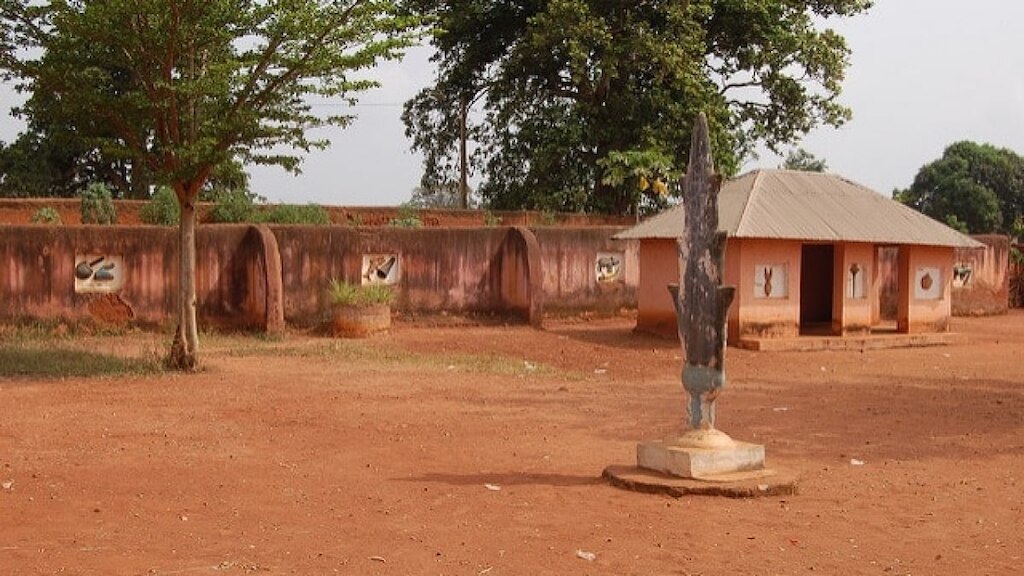
The Royal Palaces of Abomey in Benin – A UNESCO World Heritage Site Full of Kingdom History
Apr 17, 2026
369 views
Benin, a narrow West African nation nestled between Togo and Nigeria along the Atlantic coast, is home to one UNESCO World Heritage Site: the Royal Palaces of Abomey.
From the 17th to the 19th century, southern Benin was ruled by the powerful Kingdom of Dahomey, founded and led by local African kings. Its capital, Abomey, once stood as a fortified city surrounded by earthen walls and gates stretching nearly 10 kilometers. Within these walls lay 12 majestic royal palaces, each built for successive kings, symbolizing the strength and cultural legacy of the Dahomean dynasty.
The site was officially inscribed as a UNESCO World Heritage Site in 1985. Although later placed on the endangered list due to tornado damage, it has since been carefully restored. Today, the Royal Palaces of Abomey shine again as one of Benin’s top tourist attractions, offering travelers a glimpse into West Africa’s royal history and architectural heritage.
table of contents
[x] close
The Royal Palaces of Abomey in Benin – A UNESCO World Heritage Site Full of Kingdom History
Royal Palaces of Abomey – History and Travel Guide
The Royal Palaces of Abomey are one of Benin’s most significant UNESCO World Heritage Sites, representing the power and culture of the once-mighty Kingdom of Dahomey. This kingdom was established in the mid-17th century in southern Benin, with Abomey serving as its capital from the very beginning. Each successive king built his own palace, and by the time the French defeated the kingdom in 1892, a total of 12 kings and 12 palaces had been constructed.
The Kingdom of Dahomey’s main source of wealth was the slave trade. During the dry season, armies were sent to surrounding areas to capture people, who were then sold to Portuguese traders at coastal ports. Additionally, the Dahomeans cultivated oil palms and exported palm oil, which they exchanged for firearms and other goods.
When Benin achieved independence in 1960, the country was originally called the Republic of Dahomey, but in 1975 it officially adopted the name Benin.
How to Access the Royal Palaces of Abomey
Although Abomey was the royal capital, the nearby city of Bohicon, about 7 km east, is now more developed and serves as the best base for visiting the palaces. Travelers can reach Bohicon from Cotonou, Benin’s economic capital, by train. Cotonou is home to Cadjehoun Airport, and passengers typically need to transfer via Istanbul or Paris.
From Bohicon to Abomey’s palaces, the route is straightforward—taking a taxi is the easiest option.
Highlights of the Royal Palaces of Abomey ①: Palaces and Walls
One of the most remarkable features of the UNESCO World Heritage Royal Palaces of Abomey is its architecture. The royal compound, including its gates and walls, was primarily built from earth. The dark brown tones of the walls and pillars give off a sense of heaviness and strength, creating an impressive and majestic atmosphere that captures the eye.
While the design may seem simple at first glance, you can still feel the dignity and authority of the royal lineage in its structures. Visitors will also notice fascinating reliefs of animals carved into the pillars and paintings of various creatures adorning the outer walls. These decorations are rooted in the ceremonial traditions of the Kingdom of Dahomey, where royal power was symbolically tied to animal sacrifices. Some of the animal motifs are quite charming, making it a rewarding experience to explore and appreciate them one by one.
Highlights of the Royal Palaces of Abomey ②: Historical Museum
Among the Royal Palaces of Abomey, a UNESCO World Heritage Site in Benin, the best-preserved palace now serves as a Historical Museum. Inside, visitors will find fascinating exhibits such as animal and plant reliefs that resemble modern art, antique firearms used during the Dahomey Kingdom era, as well as traditional farming tools and everyday household items. A special highlight is the royal tapestries, which beautifully showcase the prosperity and cultural richness of the Dahomey Kingdom.
The museum also houses a craft center where travelers can purchase authentic Beninese handicrafts. Buying souvenirs here allows visitors to bring home a piece of Benin’s artistry while walking through the grounds of the former royal capital.
◎ Summary
The Royal Palaces of Abomey, Benin’s only UNESCO World Heritage Site, reveal a unique perspective on African history. While many African kingdoms declined due to European colonization, the Dahomey Kingdom thrived by establishing power, generating wealth, and maintaining influence through its ties with Europe.
Exploring the palaces of Abomey offers travelers an opportunity to experience this different side of African history, making it a must-visit cultural destination in West Africa.
RELATED ARTICLES



REGIONS
CATEGORIES
FEATURED ON Benin


MOST POPULAR ON Benin
-
 1
1Doha: Must-see Attractions in the Capital of Qatar
-
 2
2Toronto: 10 Things to do in this Picturesque Canadian City
-
 3
3Amarillo: A City Famous for It’s Amazing Canyons, Great History and Music
-
 4
4South Korea: Dazzling Scenery, Rich Culture and Fascinating History
-
 5
5Kuwait: A Country in Middle East Asia Famous for Hot Sand Dunes and Stunning Cityscape