


Name: Gokashō Ōmi Merchant Residence – Shigeru Tonomura House
Address: 631 Kondō-chō, Gokashō, Higashiōmi City, Shiga
Official Website: https://www.city.higashiomi.shiga.jp/0000000106.html
Hometown of the Ōmi Merchants! 6 Recommended Sightseeing Spots in the Historic Townscape of Gokashō and Kondō
Jul 21, 2026
268 views
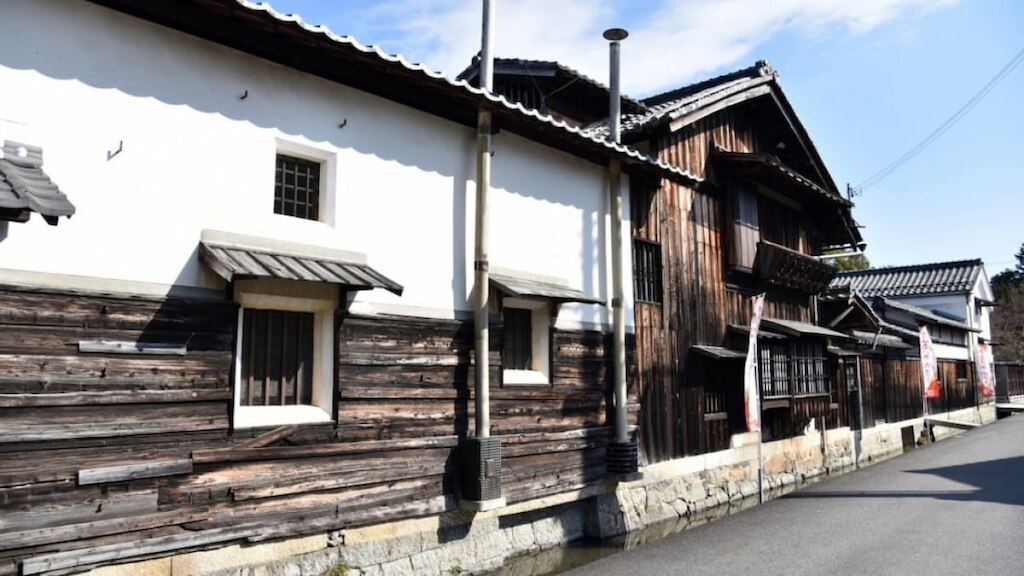
The Gokashō area in Higashiōmi City, Shiga Prefecture, is a popular tourist destination worth visiting when exploring Shiga. In Gokashō and Kondō, many important traditional buildings have been preserved, and the area has been recognized as part of the Japan Heritage site “Lake Biwa and Its Waterways: Water Heritage of Prayer and Life.” Visit merchant residences like that of Shigeru Tonomura and facilities such as the Kondō Townscape Preservation and Exchange Center to experience the lifestyles that have been passed down for generations.
table of contents
[x] close
Hometown of the Ōmi Merchants! 6 Recommended Sightseeing Spots in the Historic Townscape of Gokashō and Kondō
Shigeru Tonomura Literary Museum
The Shigeru Tonomura Literary Museum is one of the Ōmi merchant residences open to the public in Gokashō. It is the birthplace of author Shigeru Tonomura, a native of Shiga Prefecture. The house was established by the younger sister of Ubee Tonomura (4th generation), who adopted Kichitarō. Kichitarō worked at the Kyoto branch of the main Ubee family.
In 1907, Kichitarō became independent and started a cotton and kimono wholesale business, opening stores in places like Nihonbashi, Tokyo. Shigeru, his third son, was born into the family and once succeeded the family business. However, unable to give up his dream of literature, he passed the business to his younger brother.
At the Shigeru Tonomura Literary Museum, exhibits showcasing his literary achievements are displayed in the kura (storehouse) of the residence. Known for novels about the lives of Ōmi merchants, Shigeru was also nominated for the first Akutagawa Prize. The house, built in the late Edo period, allows visitors to experience the world of one of Shiga’s most prominent writers—winner of the Iketani Prize and the Noma Literary Prize.
Junjirō Nakae Residence
The Junjirō Nakae Residence was the main home of Junjirō Nakae, the fifth son of the Mitsunakai family, who were known as department store magnates. The Mitsunakai operated more than 20 department stores across the Korean Peninsula, Manchuria, and mainland China from the Taisho era up to the prewar period.
Founded as Mitsunakai Shōten on the Korean Peninsula in 1905, it became Mitsunakai Department Store Co., Ltd. in 1934, officially entering the department store business. Although the company achieved great success, it lost its overseas assets following Japan's defeat in World War II. During the Japanese occupation of Korea, Mitsunakai was one of the five major department stores, along with Mitsukoshi and Hirata. Its history came to an end with the war.
At its peak, Mitsunakai's annual sales reportedly reached around 100 million yen, surpassing Mitsukoshi's sales in Korea and employing up to 4,000 people. Visit the birthplace of its founder, Katsujirō Mitsunakai, at the Junjirō Nakae Residence and enjoy the beautiful stroll garden in a setting that evokes the height of the family's prosperity.
Name: Gokashō Ōmi Merchant Residence – Junjirō Nakae House
Address: 643 Kondō-chō, Gokashō, Higashiōmi City, Shiga
Official Website: https://www.city.higashiomi.shiga.jp/0000000108.html
Ubee Tonomura Residence
Ubee Tonomura is known as one of Shiga Prefecture’s wealthiest merchants, and during the Meiji era, he was listed among Japan’s wealthiest individuals. Born the youngest son of the 6th-generation Yozaemon Tonomura, Ubee began a kimono textile business with Yozaemon. Later, he established a separate branch and expanded the business with stores in Tokyo, Yokohama, Kyoto, and Fukui.
Though from a branch family, Ubee rose to prominence by the Meiji era, becoming a leading figure in Shiga commerce. At its peak, his estate reportedly housed dozens of buildings and storehouses. Due to aging and decay, about half of the original buildings and gardens have been dismantled, but the main house from the late Meiji era still remains intact.
The buildings and garden outside the main house have been faithfully restored to their Meiji-era form. The garden, once praised as the finest in Kanzaki District, is a must-see. It was designed in the Shōken-ryū style by master gardeners Katsumoto Sōeki and the first and second generation of Kabu no Hanabun—both prominent figures in Ōmi’s landscape design tradition.
Name: Gokashō Ōmi Merchant Residence – Ubee Tonomura House
Address: 645 Kondō-chō, Gokashō, Higashiōmi City, Shiga
Official Website: https://www.city.higashiomi.shiga.jp/0000000104.html
Kondō Townscape Preservation and Exchange Hall
When sightseeing around the historic streets of Gokashō and Kondō, the Kondō Townscape Preservation and Exchange Hall is a must-visit. Serving as a space for hospitality, relaxation, and learning, the hall is managed and operated by volunteers from the Townscape Preservation Exchange Association. The building itself was formerly the residence of Tomijūrō, the third son of the four Nakae brothers of the Mitsunakai Department Store family. The second floor was added in 1873 (Meiji 6).
The Kondō Townscape Preservation Association is a certified non-profit organization working to preserve and pass on the heritage of Gokashō Kondō-chō, which has been selected as an Important Traditional Building Preservation District. Rooted in love for the area, the group promotes community-based town development while deepening awareness of environmental preservation. Their efforts include street and river cleaning and replenishing koi carp in the waterways.
As a de facto tourist information center for Gokashō, the Kondō Townscape Preservation and Exchange Hall is worth stopping by before your walk. During the Hinamatsuri (Doll Festival), traditional hina dolls are displayed, and seasonal exhibitions are also held. Enjoy a cup of coffee in the café corner while planning your trip and perhaps picking up some karintō (sweet fried snacks) as a souvenir—just one of the many ways to enjoy your visit here.
Name: Kondō Townscape Preservation and Exchange Hall
Address: 904 Kondō-chō, Gokashō, Higashiōmi City, Shiga
Official Website: http://www.higashiomi.net/watch/1703.html
Gozai-ji Temple
Gozai-ji is a temple of the Shin Buddhist (Jōdo Shinshū) tradition, nestled in the old townscape of Gokashō and Kondō. Its imposing main hall is truly awe-inspiring and is designated as an Important Cultural Property of Japan. It serves as a central landmark in the Gokashō area and is visited by many worshippers.
The temple was founded by Gudatsu Kenkūbō, a high-ranking disciple of Kakunyo Shōnin, the grandson of Nasu no Yoichi—famed for his role in the Genpei War. The original main hall was relocated and still exists as the main hall of Hōrin-ji Temple in Hikone City. The current Gozai-ji main hall was rebuilt starting around 1755 (Hōreki 5), with major structures completed by 1764 (Hōreki 14). This large, classic Shin Buddhist hall features a wide veranda, a high ceiling in the outer sanctum, and abundant use of round pillars.
Notably, the Amida Hall at Higashi Hongan-ji Temple in Kyoto was reconstructed during the Meiji era based on the design of Gozai-ji’s main hall. In terms of scale within Shiga Prefecture, Gozai-ji’s hall is second only to Enryaku-ji’s Konpon Chūdō. Be sure to take in its majestic presence.
Name: Gozai-ji Temple
Address: 615 Kondō-chō, Gokashō, Higashiōmi City, Shiga
Official Website: http://www.higashiomi.net/watch/1776.html
Shōtoku-ji Temple
Shōtoku-ji Temple is a Jōdo Shinshū Ōtani-ha (Higashi Hongan-ji sect) temple located in Kondō-chō, Gokashō. The principal object of worship is Amida Nyorai (Amitābha Buddha), and it is believed to have been established around 1136 (Einen 12). The current nagaya-mon (row-gate building) was relocated from the former residence of the Yamato-Kōriyama domain across the street during the Edo period.
Name: Shōtoku-ji Temple
Address: 879 Kondō-chō, Gokashō, Higashiōmi City, Shiga
Official Website: https://yaokami.jp/1257541/
Also Recommended: Fujii Hikoshirō Residence a Little Further Away
The Fujii Hikoshirō Residence, with its impressive Western-style and Japanese-style rooms, is also well-known as a filming location for forensic scene investigations in the popular TV drama series Kasōken. If you're visiting Gokashō and Kondō, consider extending your trip to include this notable residence.
RELATED ARTICLES



REGIONS
CATEGORIES
FEATURED ON Japan
-
Stylish Kagurazaka in Tokyo. Introducing 3 festivals that even first-timers can enjoy!
-
Explore Shunan City: 4 Must-Visit Tourist Spots You Shouldn’t Miss
-

Four Tourist Spots in Kunigami Village, Located at the Northern Tip of Okinawa Island Where the Yanbaru Rail Forest Spreads
-

Enjoy Unforgettable Night Views in Oita Prefecture! 5 Recommended Spots You Should Visit!
-
The Most Cutting-Edge Souvenirs in Tokyo Are in Daikanyama! 4 Carefully Selected Daikanyama Souvenirs
MOST POPULAR ON Japan
-
 1
1Doha: Must-see Attractions in the Capital of Qatar
-
 2
2Toronto: 10 Things to do in this Picturesque Canadian City
-
 3
3Amarillo: A City Famous for It’s Amazing Canyons, Great History and Music
-
 4
4South Korea: Dazzling Scenery, Rich Culture and Fascinating History
-
 5
5Kuwait: A Country in Middle East Asia Famous for Hot Sand Dunes and Stunning Cityscape