


Name: Historical Area of Urbino
Address: Urbino, Italy
Official/Related Website URL: http://visitaly.jp/unesco/centro-storico-di-urbino
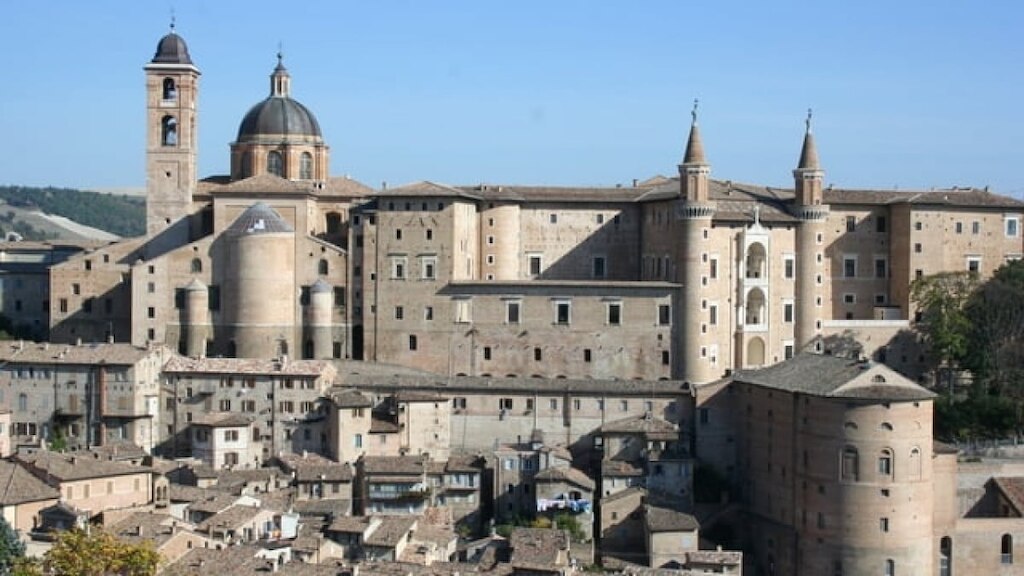
【World Heritage】What is the Historic Centre of Urbino?|A mountain town surrounded by ancient walls!
Jan 23, 2026
470 views
A small town nestled in the mountains of central Italy, Urbino. The serene old town of this place is surrounded by city walls and retains beautiful architecture, earning it a place on the UNESCO World Heritage list. Though Urbino may seem quiet and modest, it is also famous as a city of art, filled with cultural treasures! It reached its peak during the Renaissance period in the Middle Ages.
Today, Urbino is a tranquil World Heritage town that welcomes visitors from around the globe. Unlike the glamorous atmosphere of Italy’s major cities, Urbino offers a different kind of charm.
Below, we will introduce in detail the many attractions of Urbino, a World Heritage town filled with historically valuable buildings and works of art.
table of contents
[x] close
【World Heritage】What is the Historic Centre of Urbino?|A mountain town surrounded by ancient walls!
What is the Historic Centre of Urbino?
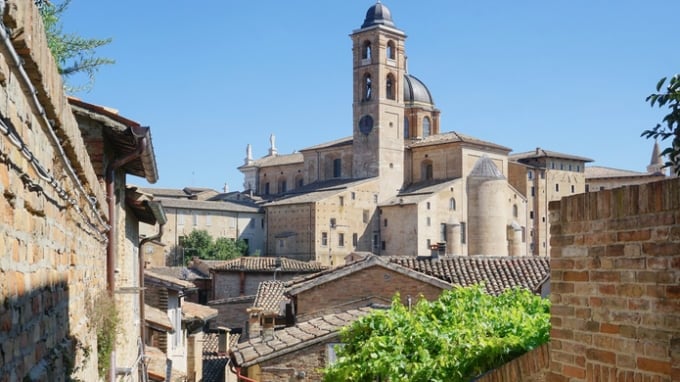
Urbino, whose historic centre has been inscribed as a World Heritage Site, first appeared on the stage of history in the 6th century when it was invaded by the Goths. From the 13th century, the town came under the rule of the Montefeltro family, but it still maintained a high degree of autonomy, functioning much like an independent city-state.
By the 15th century, it had become a centre of art and culture, attracting scholars and artists not only from across Italy but also from many parts of Europe. Although the town gradually declined with the passing of time, the Renaissance atmosphere still lingers throughout the historic district, preserving the townscape worthy of its title as a city of art. Even today, it continues to delight visitors who come to see Urbino’s World Heritage beauty.
Incidentally, the world-renowned master Raphael was born in Urbino. Many of his works remain, allowing visitors to admire them up close. While bustling tourist destinations are enjoyable, strolling leisurely through a small World Heritage town in the mountains is also truly wonderful.
How to get to the Historic Centre of Urbino
When travelling to Urbino, it is recommended to first go to Rome and then transfer to trains or buses. From Rome’s Termini Station, take a train to Pesaro on the Adriatic coast, then transfer to a bus bound for Urbino. The total travel time from Rome is about 4–5 hours.
Since Urbino is a World Heritage tourist city, there are also direct buses from Rome to Urbino. In this case, the journey takes about 4.5 hours from Rome’s Tiburtina Station to Urbino’s Mercatale Square.
Highlight ①: Ducal Palace
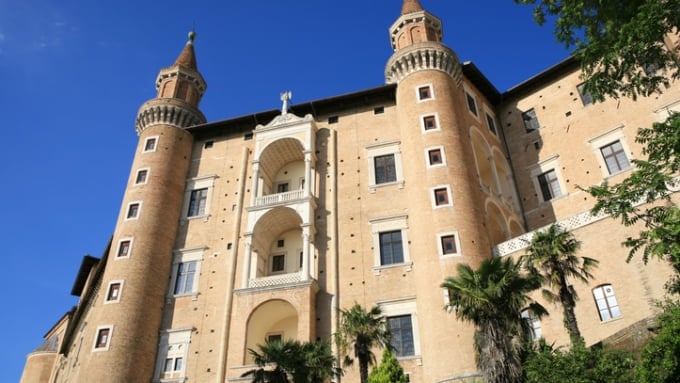
Among the many buildings in Urbino’s World Heritage Historic Centre, the Ducal Palace stands out the most. “Ducal” means “of the Duke,” and construction was ordered in 1444 by Federico da Montefeltro, who had become Duke of Urbino. Not only is the exterior impressive and well-preserved, but the palace’s interior also boasts exquisite decorations down to the finest details. With marquetry rooms, ornate fireplaces, and more, it is a place worth exploring thoroughly. The underground level still preserves original rooms such as the kitchen and bathrooms, which are open to the public.
The Ducal Palace also functions as the National Gallery of the Marche, housing masterpieces by Raphael, Urbino’s native son, as well as a superb collection of Renaissance paintings. From the hill across the way, you can enjoy a panoramic view of the entire palace—an ideal scenic spot! Take your time to gaze at and savor the beauty of this World Heritage palace.
Highlight ②: Oratory of San Giovanni
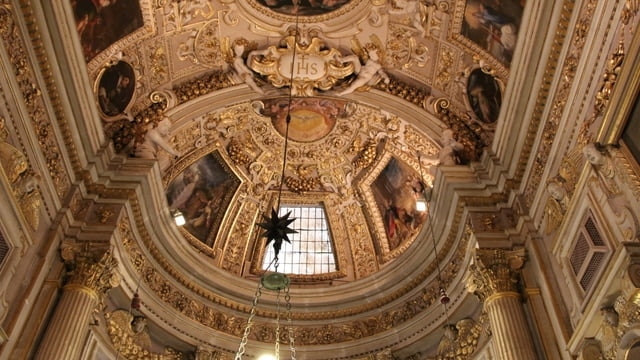
Quietly standing in a corner of Urbino is the Oratory of San Giovanni. This small church in the World Heritage town is famous for its beautiful frescoes, drawing visitors every day. The vividly colored late Gothic frescoes on the walls were painted by the Salimbeni brothers. Works such as the “Crucifixion” and “Life of St. John the Baptist” can be admired up close. From a small window in the oratory, you can also see the Ducal Palace across the way.
Built in the 14th century, this charming church has long been a spiritual home for the people of Urbino. Surrounded by a sacred atmosphere, gazing at the solemn frescoes feels cleansing to the soul. Though it is a small church in a small World Heritage town, it is absolutely worth a visit.
Highlight ③: Urbino Cathedral
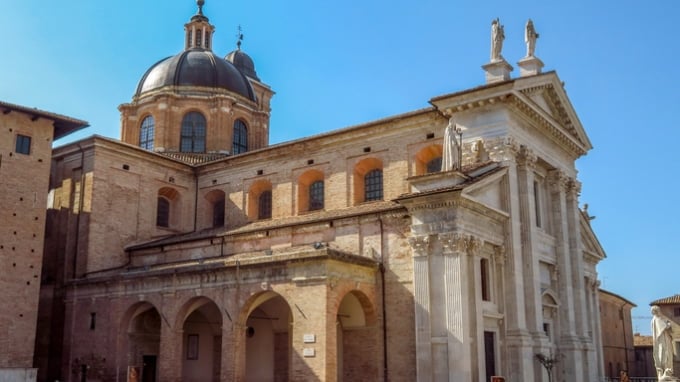
The Historic Centre of Urbino preserves many Renaissance-era buildings from the 15th to 16th centuries. Among the beautiful streetscapes of this World Heritage Site, one structure that particularly stands out is the Urbino Cathedral. Unlike most of the other World Heritage buildings in Urbino, the cathedral was rebuilt in the early 19th century in a Neoclassical style, its striking pure white façade immediately drawing the eye.
As a relatively new construction within the walled Historic Centre of Urbino, it is enjoyable to compare it with the town’s more traditional buildings. The cathedral also houses the Albani Museum, where visitors can view religious artifacts such as large candelabra and choir books. Standing directly across the square from the Ducal Palace, the cathedral also serves as a helpful landmark to ensure you never lose your way in Urbino.
◎ Summary
We have introduced the small World Heritage town of the Historic Centre of Urbino in Italy. Nestled among Italy’s mountains, the peaceful town of Urbino offers an abundance of charming attractions. With its remarkable artworks and historic buildings, Urbino may be considered a hidden gem that rivals Italy’s most famous tourist cities.
The solemn atmosphere worthy of a World Heritage Site, combined with the serene, leisurely air of the mountain setting, creates a truly unique landscape. Why not take a trip to this quiet World Heritage town, far from the bustle of typical tourist destinations?
RELATED ARTICLES





REGIONS
CATEGORIES
FEATURED ON Italy
-
UNESCO World Heritage: Ferrara’s Renaissance Cityscape and the Po River Delta Explained
-
Alberobello’s Trulli – Italy’s Fairytale World Heritage Village
-
Amalfi Coast: Italy’s Breathtaking World Heritage Site and Scenic Wonder
-
Introducing recommended souvenirs you can buy in Genoa, Italy, the land of gourmet food!
-
【World Heritage Site】Cave Dwellings and Rock-hewn Churches of Matera|Introducing a hidden gem in Southern Italy
MOST POPULAR ON Italy
-
 1
1Doha: Must-see Attractions in the Capital of Qatar
-
 2
2Toronto: 10 Things to do in this Picturesque Canadian City
-
 3
3Amarillo: A City Famous for It’s Amazing Canyons, Great History and Music
-
 4
4South Korea: Dazzling Scenery, Rich Culture and Fascinating History
-
 5
5Kuwait: A Country in Middle East Asia Famous for Hot Sand Dunes and Stunning Cityscape