


Name: Nagasaki Confucius Shrine & China Museum of History
Address: 10-36 Ōura-machi, Nagasaki City, Nagasaki Prefecture, Japan
Opening Hours: 9:30 AM – 6:00 PM
Admission Fee: Adults ¥600 / High School Students ¥400 / Elementary & Junior High School Students ¥300
Official Website: http://nagasaki-koushibyou.com/
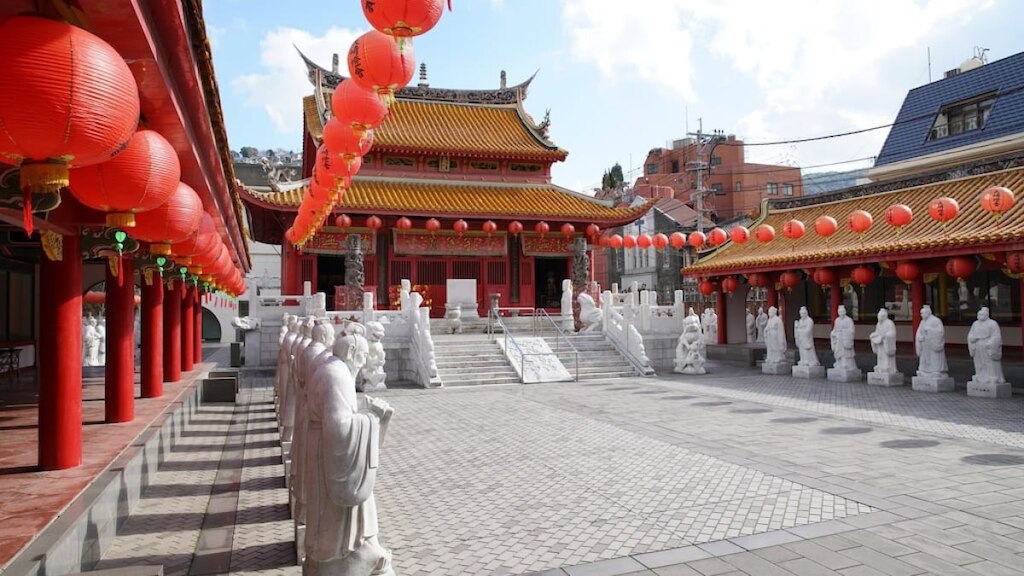
Hidden Gem in Nagasaki: Discover Nagasaki Confucius Shrine & Chinese Historical Museum – A slice of China in Japan
Mar 17, 2026
384 views
The Nagasaki Confucius Shrine & China Museum of History offers visitors an experience that feels like stepping straight into China. The Confucius Shrine, dedicated to the great Chinese philosopher, showcases stunning traditional Chinese architecture. Within the same grounds lies the China Museum of History, which consists of two sections: the Chinese Historical Artifacts Exhibition Hall and the Nagasaki Confucius Shrine Archives. Here, you can explore captivating displays of Chinese culture and view historically valuable relics. Both attractions remain hidden gems in Nagasaki City, less frequented by tourists. In this guide, we’ll share insider details about the interiors, must-see highlights, and other essential travel tips to make the most of your visit.
table of contents
[x] close
Hidden Gem in Nagasaki: Discover Nagasaki Confucius Shrine & Chinese Historical Museum – A slice of China in Japan
- 1. How to Access Nagasaki Confucius Shrine & China Museum of History
- 2. Discover China's National Treasure at the Chinese Historical Artifacts Museum
- 3. Learn About Confucius at the Nagasaki Confucius Shrine Historical Museum
- 4. Walking around the Nagasaki Confucius Shrine Feel Like You’re Traveling to China Without Leaving Japan
- ◎ Final Tip: Combine Your Visit with Nagasaki Chinatown
1. How to Access Nagasaki Confucius Shrine & China Museum of History
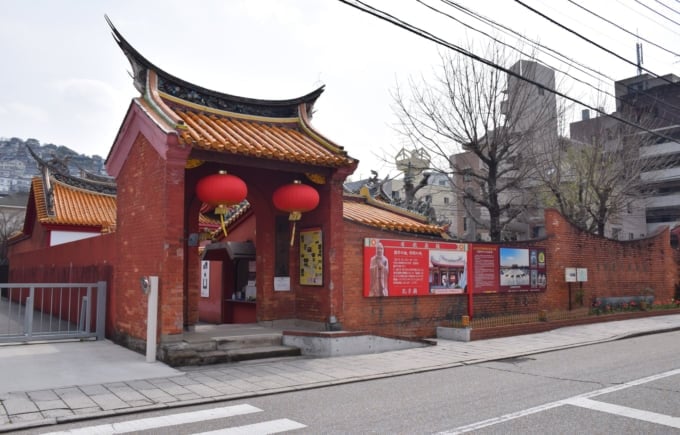
If you are traveling from Nagasaki Station, take the Nagasaki Electric Tramway Line 1 from “Nagasaki Ekimae” stop. Transfer to Line 5 at “Shinchi Chinatown” stop, then get off at “Ishibashi” stop. From there, it’s about a 3-minute walk to the museum.
You can also reach the museum by car — it’s approximately 5 minutes from Nagasaki Station. Please note that the museum only has parking spaces for large buses. For regular vehicles, use the nearby Tōjinkan Parking, which costs 100 yen per 30 minutes.
2. Discover China's National Treasure at the Chinese Historical Artifacts Museum
Located on the 2nd floor, the Chinese Historical Artifacts Museum was established in 1983 to promote friendship between Japan and China, you'll find priceless, national treasure level artifacts from China, including rare items from the renowned Palace Museum in Beijing. It's a rare opportunity to see such cultural treasures outside of China. The collection also features exquisite porcelain from the Qing Dynasty, such as vases and plates, offering a glimpse into China's rich heritage. Visitors are often captivated by these exclusive exhibits, which cannot be found anywhere else outside the country.
Although it's a permanent exhibition, the displays are updated every few years, ensuring there's always something new to see. Please note that photography is strictly prohibited inside - so be sure to take in every detail with your own eyes and memory.
3. Learn About Confucius at the Nagasaki Confucius Shrine Historical Museum
Confucius, a philosopher and thinker of China’s Spring and Autumn period, is said to have had over 3,000 disciples. His teachings and wisdom remain influential worldwide. On the 3rd floor above the Chinese Historical Artifacts Museum, the Nagasaki Confucius Shrine Historical Museum showcases artifacts and documents related to Confucius. Highlights include a brick from the Great Wall of China and intricate ivory carvings, offering deeper insight into his life and influence. Like the 2nd floor, photography is not allowed here.
On the 1st floor, you’ll find a souvenir shop offering lucky charms, fortune straps, exclusive ink sticks, Chinese tea, and traditional sweets—perfect mementos to bring home. It’s a delightful way to take a piece of Chinese culture with you.
4. Walking around the Nagasaki Confucius Shrine Feel Like You’re Traveling to China Without Leaving Japan
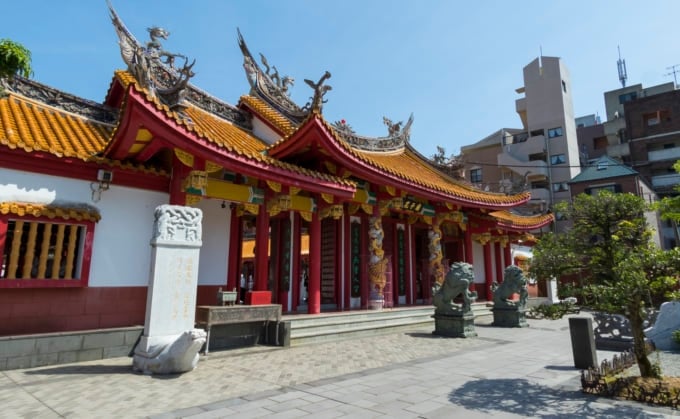
To reach the China History Museum, you’ll first pass through the Nagasaki Confucius Shrine, a historical landmark built in 1893 (Meiji 26) by the Chinese community and Chinese residents living in Nagasaki. The moment you step inside, you’ll be surrounded by a distinctly “Chinese” atmosphere—so authentic that you might forget you’re still in Japan. The unified orange-colored buildings, constructed in traditional Chinese architectural style, are truly stunning. Take your time to explore every corner and admire the intricate details.
Here, you’ll find fascinating attractions such as the Ryufuku (a stone monument engraved with a poetic inscription), the Fujian Stone Lions, and the main shrine building, Kōshi-byō (Confucius Shrine), all evoking the charm of real China. If you can, visit at night to witness the magical illumination that transforms the area into a dreamlike scene.
The Daxing Hall
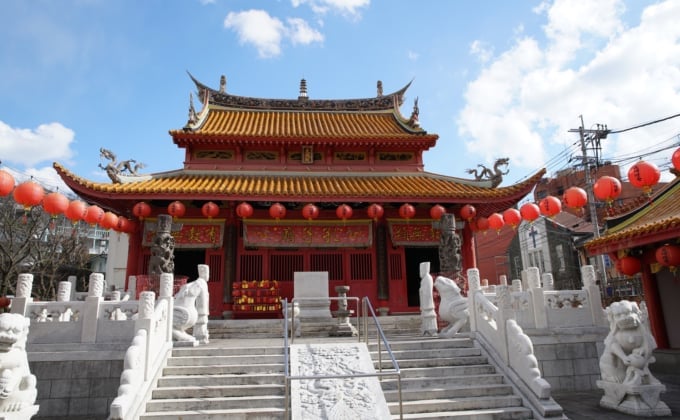
After passing through the Gimon (main gate), you’ll arrive at the Daxing Hall, the shrine’s main attraction with numerous points of interest. Before stepping inside, pay attention to the stone steps in front—the center features the Midōseki, a carved “imperial road stone” with a dragon motif, historically reserved for deities and emperors alone.
At the top of the stairs, you’ll encounter statues of mythical creatures such as the Kirin and Kakutan, along with the “Great Learning” text engraved with lessons on scholarship. Inside the Daxing Hall, you’ll find the Seated Statue of Confucius, standing at approximately 2 meters high, making it one of the largest seated statues in Japan. The interior’s rich red color enhances its beauty, and remarkably, the building has stood for over 100 years since its original construction.
Stone Statues of the 72 Disciples of Confucius
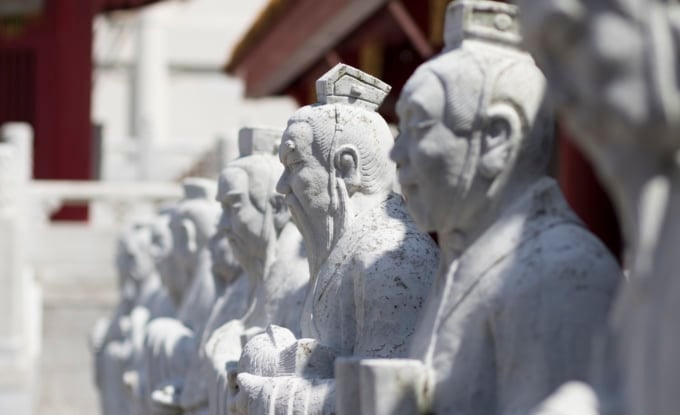
Between the Ceremonial Gate and the Main Hall, you will find impressive stone statues of Confucius' disciples, known as the 72 Worthies. Each statue is life-sized, weighing around 1.8 tons, and showcases distinct facial features. Some face forward with a dignified stance, while others are depicted reading books - making it fascinating to observe their different expressions and poses.
These 72 Worthies are regarded as the most outstanding among Confucius' reported 3,000 disciples. Standing on both sides of the Main Hall, they appear to be watching over the seated figure of Confucius with reverence. The names of each sage are engraved on their pedestals, so be sure to check them out to learn more about who they were.
◎ Final Tip: Combine Your Visit with Nagasaki Chinatown
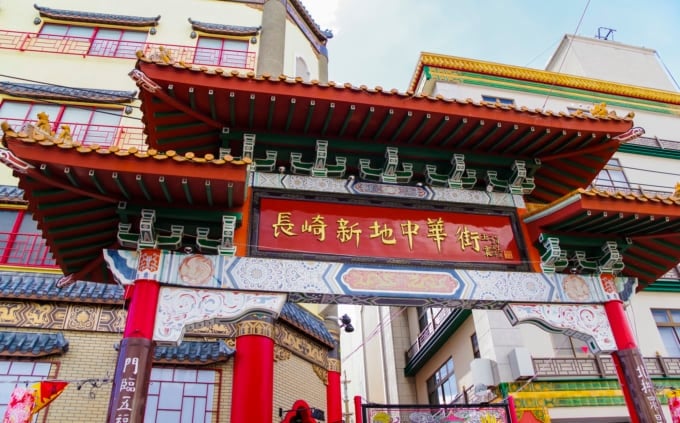
Nagasaki is home to one of Japan’s three major Chinatowns, alongside those in Yokohama and Kobe—the vibrant Nagasaki Shinchi Chinatown. After exploring the Nagasaki Confucius Shrine and Historical Museum of China, consider adding a Chinatown walk to your itinerary. Located just 1 km from the Ceremonial Gate, it’s about a 10-minute walk away. After immersing yourself in the Chinese cultural atmosphere and exhibitions at the museum, you can savor authentic local specialties like Sara Udon, Nagasaki Champon, and Hatoshi, blending Chinese flavors with Nagasaki’s unique cuisine.
RELATED ARTICLES




REGIONS
CATEGORIES
FEATURED ON Nagasaki
-

If it’s Nagasaki in winter! Introducing 4 winter-exclusive, charm-filled sightseeing spots!
-
6 Recommended Sightseeing Spots in Shimabara Onsen – Enjoy Sightseeing in the Hot Spring Town of the City of Water
-

5 souvenirs you can buy at Nagasaki Airport! Find lots of delicious Nagasaki treats!
-

24 recommended spots to visit in Minamishimabara City, the site of the Shimabara Rebellion!
-
10 Recommended Hotels in Tsushima! Near Geospots to Enjoy Both the Sea and the Mountains
MOST POPULAR ON Nagasaki
-
 1
1Doha: Must-see Attractions in the Capital of Qatar
-
 2
2Toronto: 10 Things to do in this Picturesque Canadian City
-
 3
3Amarillo: A City Famous for It’s Amazing Canyons, Great History and Music
-
 4
4South Korea: Dazzling Scenery, Rich Culture and Fascinating History
-
 5
5Kuwait: A Country in Middle East Asia Famous for Hot Sand Dunes and Stunning Cityscape