Terrorism and Kidnapping Risks! Security Information About Niger in West Africa
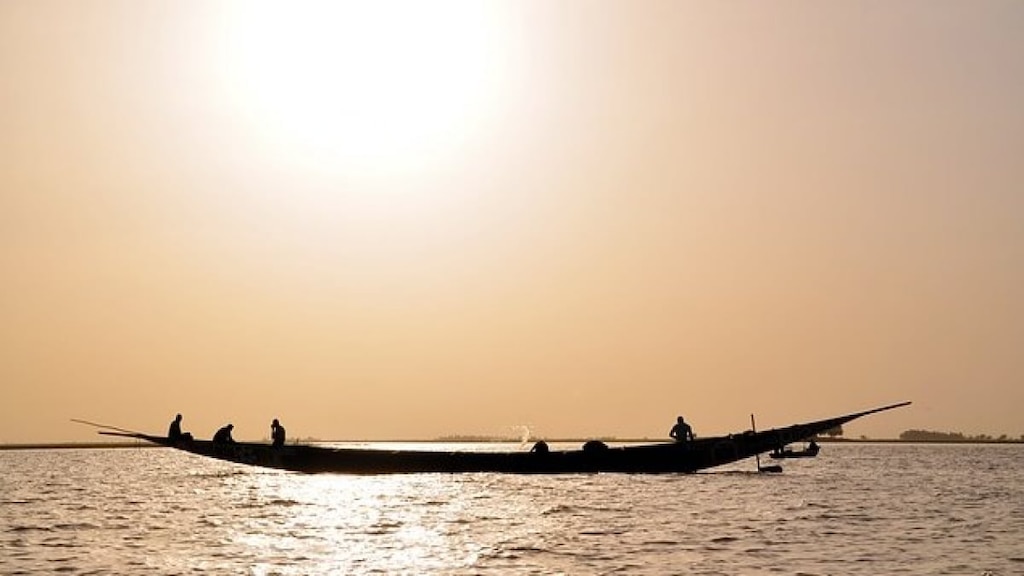
Niger is a landlocked country located in Northwest Africa, with its northern half covered by the vast Sahara Desert. One of its most notable landmarks is the Agadez Mosque, a UNESCO World Heritage Site that highlights the nation’s cultural heritage.
Bordering Algeria, Mali, Burkina Faso, Benin, Nigeria, Chad, and Libya, Niger’s geographical position makes it a crossroads of West and North Africa. However, many travelers often ask: Is Niger safe to visit? Given that Niger is considered one of the world’s poorest countries, it is natural for visitors to be concerned about security conditions and travel safety.
In this guide, we’ll provide updated and practical safety information about Niger so you can better prepare for your trip.
table of contents
[x] close
Terrorism and Kidnapping Risks! Security Information About Niger in West Africa
1. Dangerous Areas North of Latitude 15°
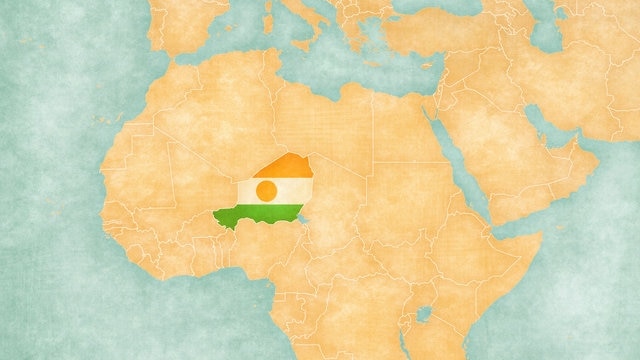
The security situation in Niger is divided into two main regions, and areas north of latitude 15° are considered particularly dangerous. This zone covers nearly two-thirds of Niger’s territory, making it a vast high-risk region. According to the Ministry of Foreign Affairs’ travel advisory, the northern part of Niger is classified under Level 4, which calls for complete evacuation. Travelers are strongly advised not to enter north of the 15th parallel.
The border regions with Mali, Algeria, Libya, and Chad are especially unsafe. Several extremist groups, including the notorious Al-Qaeda, are active in these areas. They frequently move across borders, carrying out kidnappings of foreigners and attacks on military facilities. For your safety, avoid traveling to these regions at all costs.
2. Security Threats in the South
Even in the southern part of Niger, safety cannot be guaranteed. Since it borders northern Nigeria, this area faces threats from the Islamist extremist group Boko Haram, which is notorious for violent crimes and terrorist activities.
In addition, there are reports of criminal gangs that collaborate with extremist groups by selling hostages. Actual kidnappings targeting foreigners have taken place, highlighting the need for extreme caution. To minimize risks, avoid unsafe areas, refrain from traveling alone, and consider hiring a trusted local guide.
Furthermore, the border area with Nigeria faces additional dangers such as vehicle robberies and drug smuggling. These issues make it clear that stability in the region will take time to achieve. Travelers should exercise vigilance and prioritize security when planning their trips.
3. Security Concerns in Niamey, the Capital of Niger
Niamey, located in the southwest of Niger, faces ongoing security risks, including terrorism and crime. As the capital city, it has many government offices and public gathering spots, which can become targets of terrorist attacks. In the past, extremist groups have carried out assaults, including a major attack on the city’s prison. Travelers are strongly advised to avoid approaching government, military, and police facilities.
Foreign nationals have also been victims of kidnappings, particularly incidents linked to Al-Qaeda, leading to a sharp decline in European tourism. Asian travelers stand out more visibly, so it is best to avoid traveling alone. Do not draw attention as a tourist—such as by opening guidebooks in public or wearing large cameras around your neck—since this may increase risks.
4. Incidents of Robbery Against Foreigners
Niger is often described as one of the world’s poorest countries, with more than half of the population living on less than one dollar per day. Food shortages, especially in desert regions, remain a serious issue. Combined with unstable security conditions, cases of robbery targeting tourists do occur.
Walking alone should be avoided—use taxis for transportation whenever possible, even during the daytime. Solo travel is strongly discouraged, and going out at night is considered very dangerous. Even while staying at a hotel, ensure doors are securely locked.
For this reason, travelers to Niger must take extra precautions and remain highly vigilant compared to visits to other destinations.
5. Domestic Travel Safety in Niger
Traveling within Niger requires extra caution due to unstable security conditions. For long-distance trips, it is strongly advised to use air travel whenever possible. If land travel cannot be avoided, make sure to prepare with thorough security measures and updated local information.
Communication infrastructure in rural Niger is very poor, so having a satellite phone as an emergency backup is highly recommended. Roadside robberies are frequent, making it extremely dangerous for foreigners to travel alone. Always move with a trustworthy local guide and strictly avoid nighttime travel, when security risks are even higher.
Road conditions in remote areas are often unpaved, with flat tires being a common occurrence. Gas stations are scarce, so plan routes carefully to avoid running out of fuel. Traveling in multiple vehicles is safer and reduces potential risks.
◎ Summary
Overall, Niger remains a high-risk country with nationwide security warnings, and tourism has significantly declined in recent years. However, some travelers report warm welcomes from Nigerien locals eager to host the few tourists who still visit. Being a foreigner may attract friendly attention, and engaging with the hospitable population can be a rewarding experience. That said, always prioritize safety and remain cautious throughout your journey.