


Name: Kagami Shrine
Address: 1289 Kagami, Ryūō Town, Gamō District, Shiga Prefecture
Official Website: http://fishaqua.gozaru.jp/shiga/ryuoh/kagami/text.htm
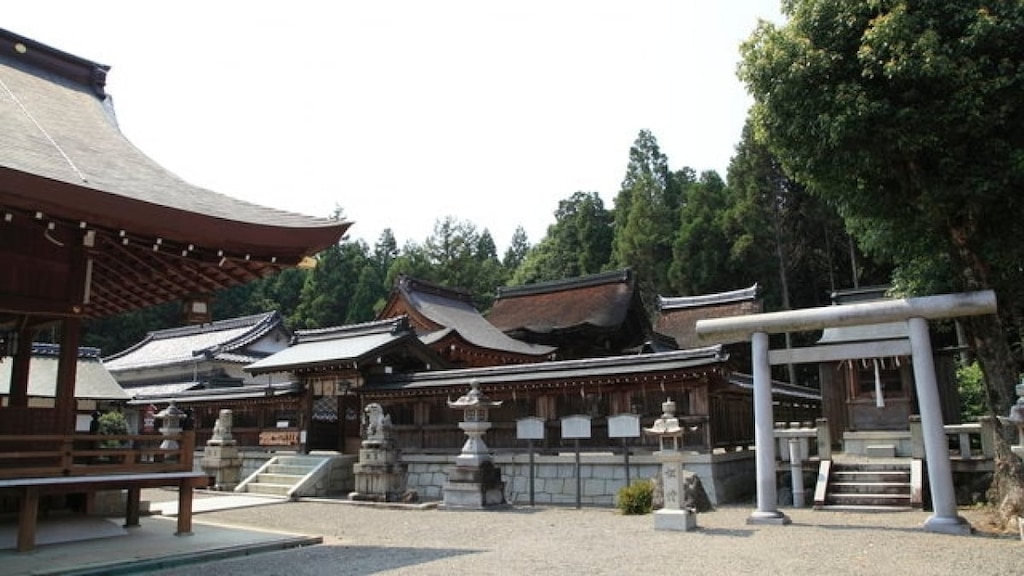
5 Must-See Tourist Spots in Ryūō Town – Deeply Historical Sites That Even History Buffs Will Love!
Dec 18, 2025
573 views
Ryūō Town is located in the central part of Shiga Prefecture. One of its most famous scenic spots, Mount Kagami, part of the Ryūō Hakkei (Eight Scenic Views of Ryūō), is featured in Manyō-shū—Japan’s oldest anthology of poems. Besides these scenic locations, the town is home to many temples, shrines, and historical sites that exude an ancient atmosphere. Here are five recommended sightseeing spots in this history-rich town of Ryūō.
table of contents
[x] close
5 Must-See Tourist Spots in Ryūō Town – Deeply Historical Sites That Even History Buffs Will Love!
1. Kagami Shrine
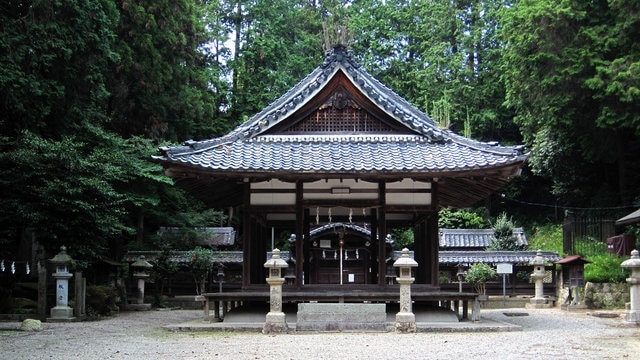
The deity enshrined at Kagami Shrine is Amenohiboko, a prince from the ancient Korean kingdom of Silla who came to Japan during the reign of Emperor Suinin, the 11th emperor of Japan. It is said that one of his retainers established this shrine to worship him as an ancestral deity when they settled in the area.
Beyond its ancient origins, Kagami Shrine is famous as the shrine where the legendary warrior Minamoto no Yoshitsune prayed when he came of age. Along the shrine’s approach, there still stands the “Pine of the Eboshi,” where Yoshitsune is said to have hung his formal headgear.
2. Namura Shrine
Namura Shrine is one of Ryūō Town’s most famous landmarks. Its West Main Hall (Nishi-honden) is designated as a National Treasure of Japan. Built during the Kamakura period, the hall enshrines Kuni-no-sazuchi-no-mikoto, a Shinto deity associated with the land.
The shrine also features a thatched-roof gate (rōmon) that retains the unique fusion of Shinto and Buddhist architectural styles, where an important cultural property—the wooden statue of Fudō Myōō—is also enshrined.
Every year, two major events take place here: the Namura Festival on April 20, and the Yabusame (horseback archery) ritual on May 5, held in celebration of Children’s Day. Every 33 years, a Grand Festival (Shikinen Taisai) is held, attracting large crowds of visitors; the next one is scheduled for 2046, so mark your calendars!
Name: Namura Shrine
Address: 468 Ayado, Ryūō Town, Gamō District, Shiga Prefecture
Official Website: http://www.rmc.ne.jp/dragon-kanko/namura-jinjya/
3. Ryūō-ji Temple
Ryūō-ji Temple was originally founded during the Nara period by the monk Gyōki, following an imperial decree from Empress Genmei. It was initially called Yukinodera (“Temple of Snow Fields”).
The main attraction here is the large temple bell (bonshō) said to have been donated by a man named Ono Tokikane. The bell is surrounded by mysterious legends—it’s said to spout water during fires, refuse to ring when struck by the impure of heart, and bring rain when prayed to during droughts. Because of these miraculous tales, Emperor Ichijō bestowed upon the temple a plaque reading “Ryūju Shōden” (Hall of the Dragon Bell), and from that point, the temple’s name was changed from Yukinodera to Ryūō-ji.
The bell’s dragon-shaped head is wrapped in white cloth, which is removed only during rain prayers—a tradition that continues to this day.
Name: Ryūō-ji Temple
Address: 41 Kawamori, Ryūō Town, Gamō District, Shiga Prefecture
Official Website: http://www.rmc.ne.jp/dragon-kanko/ryuoh/ryuohji/
4. Mount Kagami
Mount Kagami, standing on the western side of Ryūō Town, is a popular hiking destination. Near the summit is the Ryūō-gū Shrine, which enshrines Manashiryūjin, one of the Eight Great Dragon Kings (Hachidai Ryūō).
There are also the remains of Unkan-ji Temple, said to have been established by Prince Shōtoku, who personally carved a statue of Kannon (the Goddess of Mercy). Since the mountain frequently appears in Manyōshū and other classical Japanese poetry, it has long been admired by poets and scholars for its beauty and spiritual atmosphere.
Name: Mount Kagami
Address: 3 Oguchi, Ryūō Town, Gamō District, Shiga Prefecture
Official Website: http://www.rmc.ne.jp/dragon-kanko/hiking/kagamiyama.html
5. Roadside Station “Ryūō Kagami-no-Sato”
At the Roadside Station “Ryūō Kagami-no-Sato,” visitors can enjoy meals made with local ingredients. The most popular dishes are those featuring Ōmi beef, a regional specialty of Shiga.
Highly recommended menu items include the Ōmi Beef Cutlet Lunch, the Ryūō Set Meal featuring a mini steak, and the Ōmi Beef Hamburger and Ōmi Beef Steak—a true delight for meat lovers. There are also unique dishes inspired by local legends, such as the “Yoshitsune Coming-of-Age Meal”, based on the famous samurai Minamoto no Yoshitsune. It’s the perfect spot for a satisfying lunch during a sightseeing trip in Ōmi.
Name: Roadside Station “Ryūō Kagami-no-Sato”
Address: 1231-2 Kagami, Ryūō Town, Gamō District, Shiga Prefecture
Official Website: http://www.rmc.ne.jp/kagaminosato/
◎ Summary
Due to its proximity to Kyoto, Ryūō Town has long been connected to aristocratic and samurai families, leaving behind numerous historically significant sites. Many of these locations hold deep, lesser-known histories not found in textbooks, making them especially fascinating for history enthusiasts.
If you’re planning a journey to explore Japan’s historical roots, a visit to Ryūō Town promises to be an enriching and memorable experience.
RELATED ARTICLES




REGIONS
CATEGORIES
FEATURED ON Shiga
-
【Shiga Prefecture】Including Japanese sweets popular nationwide! 4 recommended souvenirs from Taga Town
-
The Pioneer of the Yuru-Chara Boom! 8 Must-Visit Tourist Spots in Hikone, the Hometown of Hikonyan
-
Welcome to Yogo Town, Nagahama City! 3 sightseeing spots around Lake Yogo and the setting of the Sengoku period
-
7 must-see highlights of Mount Hiei’s Enryakuji Temple! A solemn tour of the grand temple that protects the capital of Kyoto
-
What Is Azuchi Town in Ōmihachiman City, Shiga Prefecture Like? 5 Recommended Tourist Spots!
MOST POPULAR ON Shiga
-
 1
1Doha: Must-see Attractions in the Capital of Qatar
-
 2
2Toronto: 10 Things to do in this Picturesque Canadian City
-
 3
3Amarillo: A City Famous for It’s Amazing Canyons, Great History and Music
-
 4
4South Korea: Dazzling Scenery, Rich Culture and Fascinating History
-
 5
5Kuwait: A Country in Middle East Asia Famous for Hot Sand Dunes and Stunning Cityscape