


Name: Ancient Ruins of Leptis Magna
Address: Leptis Magna, Libya
Official Website: http://whc.unesco.org/ja/list/183#top
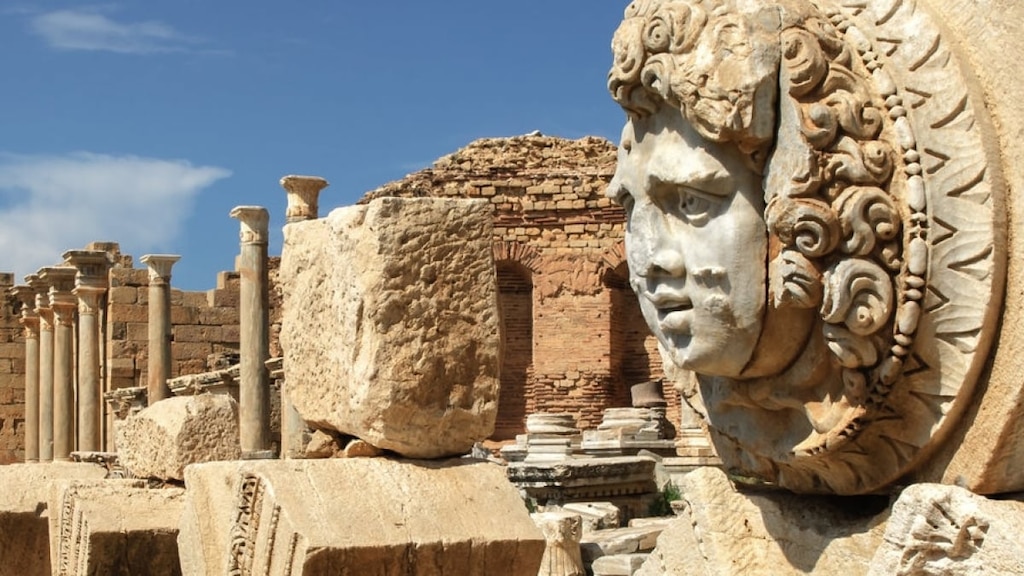
Ancient Roman Ruins in Libya, Africa – Explore the UNESCO World Heritage Site of Leptis Magna
Mar 17, 2026
473 views
Located in North Africa and facing the Mediterranean Sea, Libya is a country rich in history and home to several UNESCO World Heritage Sites. Although, the nation has experienced political instability since the fall of the Gaddafi regime in 2011, it still preserves remarkable cultural treasures. From ancient times, the Berbers inhabited this land, followed by Greek and Phoenician settlers, and later came under the rule of the Roman and Byzantine Empires. This diverse history has left behind fascinating archaeological remains across the country. Among the most renowned is the UNESCO-listed Ancient City of Leptis Magna, a magnificent Roman ruin that lay hidden under the sands for over 1,200 years. Today, it stands as a breathtaking reminder of Libya’s glorious past, attracting history enthusiasts and cultural travelers from around the world.
table of contents
[x] close
Ancient Roman Ruins in Libya, Africa – Explore the UNESCO World Heritage Site of Leptis Magna
What are the Ancient Ruins of Leptis Maga?
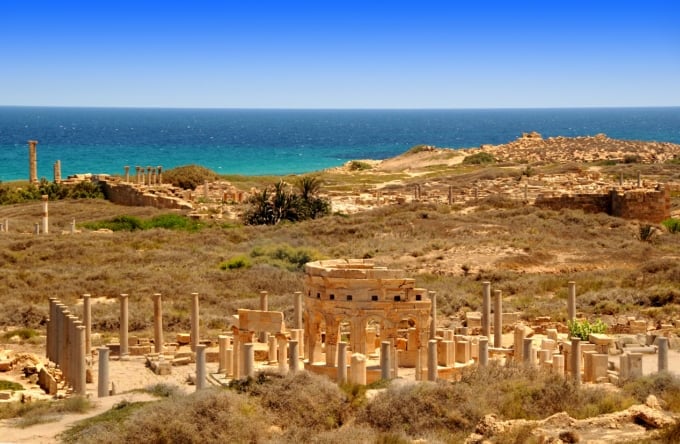
The UNESCO World Heritage Site Ancient Ruins of Leptis Magna is a remarkably preserved Roman city located about 130 km east of Tripoli, the capital of Libya. This ancient city holds a prestigious place in history as the birthplace of the first Roman Emperor from Africa, Septimius Severus. Under his reign, Leptis Magna flourished, reaching its peak as a major Mediterranean trade hub. Already an important port in antiquity, the city expanded further when Severus favored his hometown, making it the third-largest city in Africa during the Roman era. However, as trade declined, the city’s prosperity faded.
For over 1,200 years, the once-thriving Leptis Magna lay buried under the desert sands until its rediscovery in 1921. Thanks to the sand’s protection, the ruins remain in excellent condition—yet only about 30% has been excavated. Visitors can explore grand Roman baths, majestic temples, bustling marketplaces, and a Roman theatre. Intricate statues, detailed reliefs, and beautiful mosaics offer a vivid glimpse into the glory of the ancient Roman Empire.
Access to the Ancient Ruins of Leptis Magna
Located about 130 kilometers from Tripoli, the capital of Libya, the ancient city of Leptis Magna is a must-visit UNESCO World Heritage Site. Travel time from Tripoli by taxi is just under 2 hours. If you opt for a shared taxi, you will need to transfer in the coastal town of Khoms, which is also about 2 hours away from Tripoli. From Khoms, the ruins are only a quick 15-minute taxi ride away.
Highlight ①: The Roman Theatre of Emperor Augustus
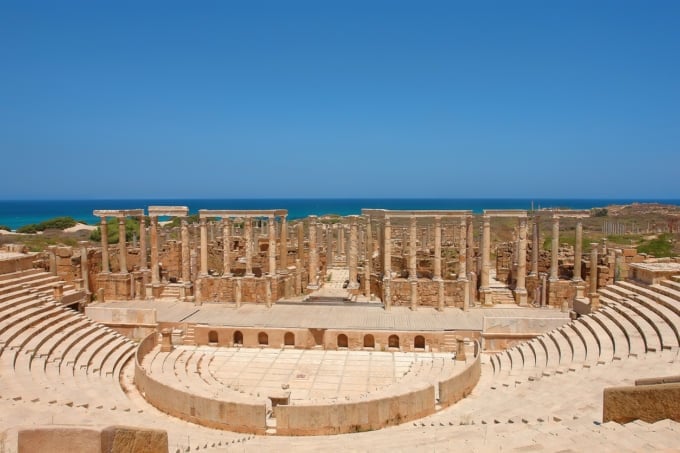
Within the world-renowned archaeological site of Leptis Magna lies the impressive Roman Theatre built by Emperor Augustus in the early 1st century. This is the second-largest Roman theatre in North Africa, surpassed only by the theatre in Sabratha—another UNESCO World Heritage site in Libya. Interestingly, the theatre was constructed atop an ancient Phoenician necropolis.
Over time, successive emperors expanded and renovated the theatre, filling its seating area with intricate carvings—most of which are now preserved at the Leptis Museum. The museum also features detailed reconstructions of the entire site, making it a great companion visit. The theatre could once seat between 3,000 and 4,000 spectators, offering stunning views of the Mediterranean Sea from the top rows. Excavations behind the stage even revealed a temple containing a statue of Emperor Augustus himself.
Highlight ②: The Baths of Emperor Hadrian
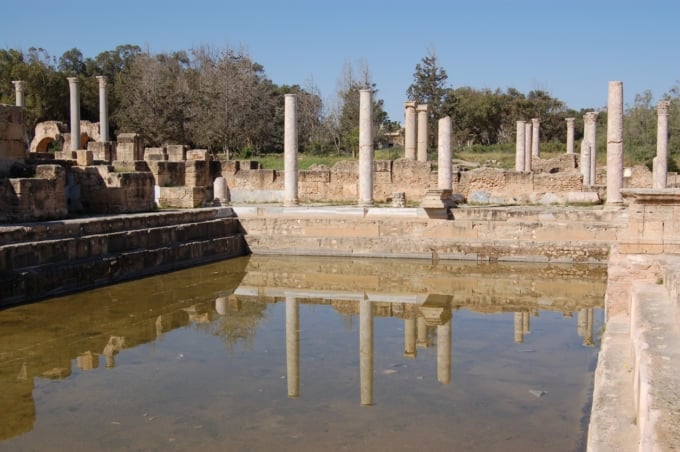
In the Roman Empire, public baths were more than just places for bathing—they were vital hubs of social and cultural life. These impressive facilities served as gathering spots where people not only relaxed but also held important meetings, closed business deals, and discussed political matters. At the UNESCO World Heritage Site of Leptis Magna, you can still witness the grand remains of one such bath complex.
Few Roman-style baths in the world have survived in such a well-preserved state; the only comparable examples are found in Rome itself. In its prime, this luxurious bathhouse boasted mosaic-covered ceilings, marble flooring, and walls adorned with statues—many of which can now be admired at the Leptis Magna Museum. Visitors can also explore the ancient public toilets with running water, the sauna, and the changing rooms. The sheer scale and intricate design make the Baths of Emperor Hadrian one of the most captivating attractions in Leptis Magna for history lovers and cultural explorers alike.
Important Travel Advisory for the Ancient Ruins of Leptis Magna
Leptis Magna, a magnificent UNESCO World Heritage Site in Libya, is renowned for its breathtaking ancient Roman and Greek ruins along the Mediterranean coast of North Africa. However, according to the Ministry of Foreign Affairs' Overseas Safety Information, the area is currently classified as Level 4: Do Not Travel. This is an evacuation advisory, strongly recommending against any visit. Since the Arab Spring in 2011, Libya’s political situation has been unstable, with periods of near-anarchy. Kidnappings of foreign nationals for ransom remain a serious risk, making it unsafe for travelers at present.
◎ Summary
Leptis Magna is a treasure trove of ancient history, offering a glimpse into the grandeur of Roman and Greek civilizations. Alongside Leptis Magna, Libya is home to other remarkable UNESCO World Heritage Sites worth exploring—when it becomes safe to do so. Unfortunately, due to current safety concerns, travel is not advised. We can only wait for the day when this remarkable destination reopens to visitors, allowing history lovers and cultural travelers to experience its wonders in person.
RELATED ARTICLES





REGIONS
CATEGORIES
FEATURED ON Libya
MOST POPULAR ON Libya
-
 1
1Doha: Must-see Attractions in the Capital of Qatar
-
 2
2Toronto: 10 Things to do in this Picturesque Canadian City
-
 3
3Amarillo: A City Famous for It’s Amazing Canyons, Great History and Music
-
 4
4South Korea: Dazzling Scenery, Rich Culture and Fascinating History
-
 5
5Kuwait: A Country in Middle East Asia Famous for Hot Sand Dunes and Stunning Cityscape