Libya Safety Update: Travel Advisory After the Fall of the Gaddafi Regime
Libya, located on the northern coast of the African continent, faces the Mediterranean Sea and shares borders with Egypt, Sudan, Chad, Niger, Algeria, and Tunisia. Known for its long history under the authoritarian rule of Colonel Muammar Gaddafi, the country experienced decades of political control until 2011, when Gaddafi was killed during a civil war. Since then, Libya has remained in a state of ongoing instability, with internal conflict and political divisions continuing to affect daily life. Here, we provide important security information about Libya that travelers and observers should know.
table of contents
[x] close
Libya Safety Update: Travel Advisory After the Fall of the Gaddafi Regime
1. Libya Travel Advisory: Entire Country Under “Level 4 – Evacuate, Do Not Travel” Warning

Libya’s security situation is extremely dangerous. As of August 2017, the Ministry of Foreign Affairs of Japan has classified the entire nation under Level 4—the highest danger rating—issuing an evacuation advisory and strongly urging against all travel. The whole map of Libya is marked in red, reflecting the severity of the threat.
Since the collapse of the Gaddafi regime, security has shown no signs of improvement. The country remains divided among three competing political factions, making it impossible to establish a nationwide security system. Military command is disorganized, and domestic security forces are unable to maintain order, resulting in a highly unstable and unsafe environment.
There is currently no prospect for a recovery in Libya’s security situation. Anyone considering a trip to Libya is strongly advised to postpone their plans and wait until the country restores order and stability before traveling. This advisory is crucial for the safety of all international travelers.
2. Risk of Terrorist Attacks Across Libya
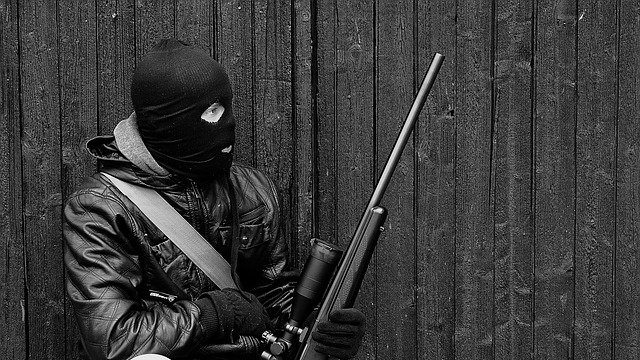
In Libya, where the government has collapsed, terrorist incidents continue to occur in various regions, further worsening public security. Since the 2011 coup, armed militia groups have clashed across the country, creating opportunities for extremist organizations such as ISIL to infiltrate Libya. These terrorist groups have since carried out numerous attacks while engaging in ongoing battles with Libyan security forces.
In December 2016, Sirte—a northern Libyan city and a major ISIL stronghold—was liberated. However, many ISIL fighters are believed to have fled and scattered across the country, hiding in secret locations. Experts warn that these militants may carry out new attacks at any time, posing a persistent threat to national safety and stability.
3. Heightened Security Risks from Cross-Border Smuggling in Libya

In Libya, large areas suffer from inadequate security control, with especially lax border management. Border regions are among the most dangerous areas in the country, as both terrorists and illicit goods—including weapons and ammunition—are smuggled in from neighboring countries. These smuggling activities heighten the risk of violence, making heightened vigilance essential.
The southern border, particularly the areas adjoining Niger and Chad, is known for poor security. Numerous terrorists are reported to have crossed into Libya through these points, often hiding in nearby regions. As a result, the threat of sudden terrorist attacks remains high.
Across Libya, violent crimes such as kidnappings and murders are alarmingly frequent. Due to the extreme risks, the Japanese Ministry of Foreign Affairs closed its embassy in Libya in July 2014 to protect its staff. Given the unpredictable and dangerous nature of incidents in the country, all non-essential travel to Libya is strongly discouraged.
4. Deteriorating Security in Libya’s Capital, Tripoli – Many Embassies Closed
In Tripoli, the capital of Libya, the security situation has worsened significantly, prompting many countries to close their embassies. The city lacks unified control by the national army and police, with multiple armed militia groups operating independently. Clashes between these militias continue to occur, preventing any real progress toward restoring public safety.
Serious crimes such as kidnappings and armed attacks targeting foreigners have been reported. Bomb attacks have also targeted foreign embassies within Tripoli. Due to this heightened risk, some foreign embassies have also shut down.
The Ministry of Foreign Affairs strongly advises against traveling to Libya—including for media coverage—given the current instability and high security threats in the country.
5. High-Risk Areas Beyond Tripoli – Benghazi and Misrata
Danger is not limited to Tripoli. Other regions in Libya, especially in the north, have also experienced worsening security conditions. In the northeastern port city of Benghazi, intense anti-terror operations by eastern Libyan security forces are ongoing. In retaliation, terrorist groups have carried out bombings and rocket attacks.
Even after the liberation of Sirte, terrorist elements are believed to remain hidden across various parts of the country, creating an unstable and unpredictable environment. Travelers are strongly cautioned to avoid these areas due to the persistent risk of violence.
◎ Summary
Since the end of Muammar Gaddafi’s dictatorship, Libya has remained in a state of ongoing instability. While adventurous travelers and backpackers may dream of conquering every country in Africa, it’s important to remember that security conditions can vary greatly from one nation to another—even on the same continent. Before planning your trip, gather the latest safety information and carefully assess whether entry into the country is currently possible. Staying informed and making cautious decisions is essential for safe travel.