Kazakhstan Travel Guide: A Safe and Enjoyable Destination with Proper Precautions
Kazakhstan is a country located in Central Asia. While the overall safety situation is not so severe that it would completely prevent travel, the entire nation is currently classified under Danger Level 1, indicating a need for caution. Since a terrorist attack occurred in Aktobe in 2016, security measures and anti-terrorism vigilance have been significantly tightened across the country. Travelers should remain alert and informed before and during their trip. In this guide, we will highlight important safety tips for traveling in Kazakhstan so you can explore with greater peace of mind.
table of contents
[x] close
Kazakhstan Travel Guide: A Safe and Enjoyable Destination with Proper Precautions
1. Beware of Pickpocketing and Bag Theft in Kazakhstan
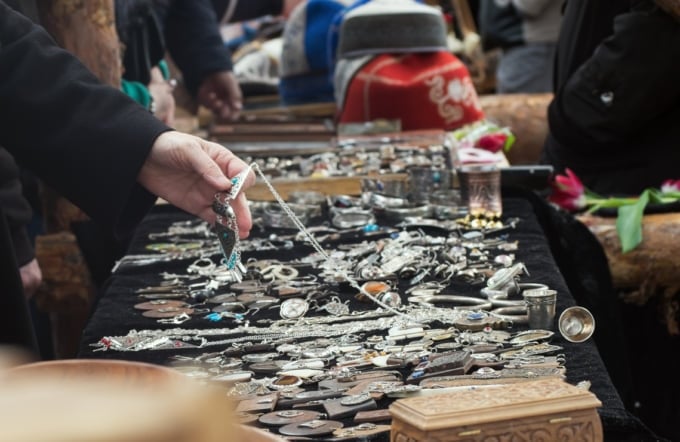
While urban areas and tourist attractions in Kazakhstan are generally considered safe, travelers should remain vigilant. The country faces significant economic disparity, which can influence crime rates. Unfortunately, some individuals facing severe financial hardship may resort to illegal activities, with pickpocketing and bag theft being the most common crimes targeting tourists.
As with travel in most countries, it is important to follow basic safety precautions. Never leave your belongings unattended, and be extra careful in crowded places. Keep valuables in a waist pouch or neck pouch hidden under your clothing to reduce the risk of theft.
2. Stay Alert for Unlicensed Taxis and Overcharging
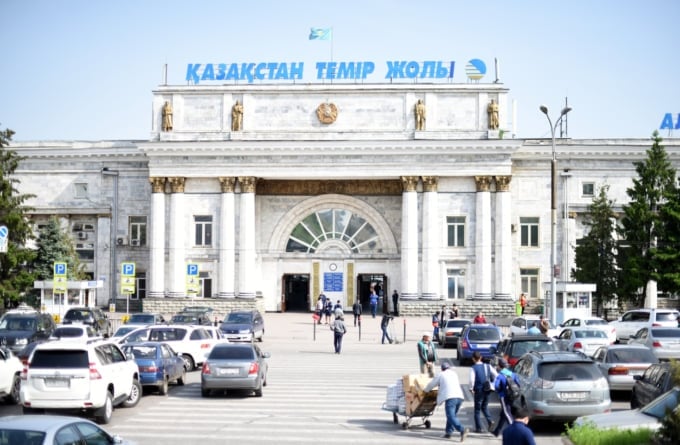
Reports of incidents involving unlicensed taxis, also known as “white taxis,” are as common as theft cases. While not all unlicensed taxis are dangerous, some drivers may attempt to overcharge passengers—or, in rare cases, commit robbery. Traveling on foot at night is not advisable for safety reasons, but tourists may find it difficult to identify which taxis are safe.
Whenever possible, use public transportation or ask your hotel, restaurant, or shop to call a trusted taxi service for you. This ensures a safer and more reliable journey during your trip to Kazakhstan.
3. Beware of Fake Police Officers in Kazakhstan
Kazakhstan is known for having a strong police presence, a trait common in many former Soviet countries. This visible security helps maintain public safety, but it also means that some officers can be overly strict, especially when enforcing visa regulations. Travelers should be prepared to handle interactions with law enforcement carefully to avoid unnecessary trouble.
Unfortunately, there are also cases of impostors posing as police officers to exploit tourists. These fake officers may pretend to inspect your belongings, only to steal valuables, or fabricate violations to demand bribes. If you have any doubts, always ask to see official identification. In situations where you genuinely need help from the police, it’s safer to consult your country’s embassy for proper assistance.
4. Stay Away from Drugs in Kazakhstan
In recent years, drug-related crimes have been increasing in Kazakhstan, contributing to security concerns. The country’s southern border is near Afghanistan and other unstable regions, making it a source and transit point for illegal narcotics. Its location between Russia to the north and China to the east also makes it a strategic route for drug trafficking and smuggling.
While tourists are rarely involved with organized drug crime, offers to buy or sell drugs within Kazakhstan are not uncommon. Crimes committed by drug addicts have also been rising, adding to safety risks. To protect yourself, avoid suspicious areas and steer clear of any situation that might involve drugs. If you realize an activity is drug-related, walk away immediately to ensure your safety and avoid legal consequences.
5. Be Alert: High Risk of Gun-Related Crimes in Kazakhstan
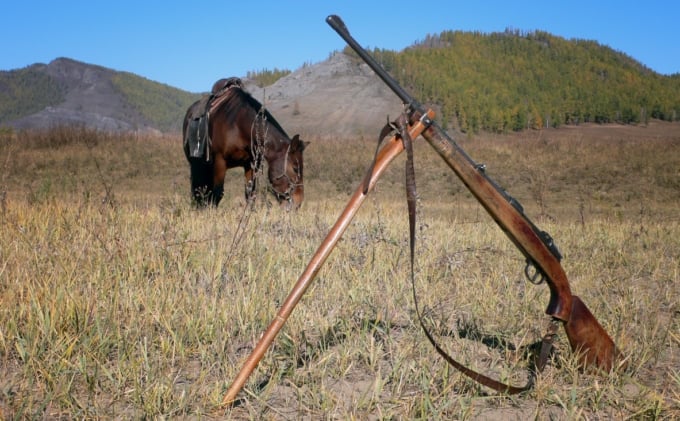
In Kazakhstan, obtaining a firearm is relatively easy, and the rate of gun ownership is not low. Even in urban areas generally considered safe, there have been incidents involving violent drug addicts, armed robberies, and shootouts between drug trafficking organizations and law enforcement.
While drug-related crimes may not directly target tourists, armed robberies often do—especially in the southern regions such as Almaty and Shymkent, where reports of foreign travelers being victimized have been on the rise.
If you plan to visit southern Kazakhstan for tourism, exercise heightened caution. Avoid areas known for poor security and limit going out at night. Staying vigilant can greatly reduce your risk and help ensure a safe and enjoyable trip.
6. Stay Safe from Terrorism in Kazakhstan
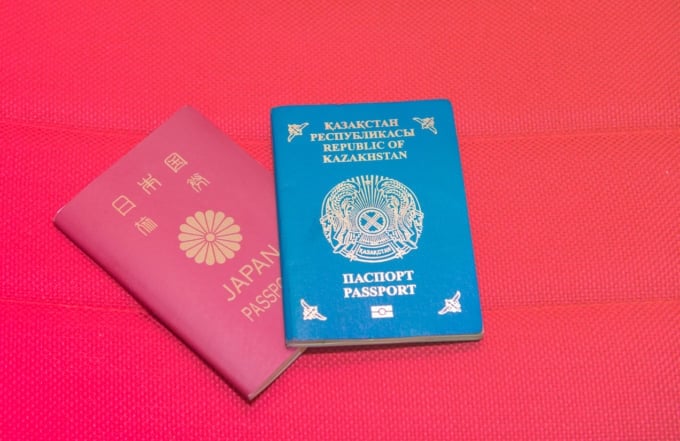
Kazakhstan, located in Central Asia, has a population where about 70% are Muslims. While it shares many cultural ties with Islamic traditions, it also carries the historical legacy of being part of the former Soviet Union, and Russian influence remains strong today. Although the country is generally safe, there are certain cultural and religious tensions that occasionally arise.
Due to its geographical location, Kazakhstan is close to regions where extremist Islamist groups, such as those in Afghanistan, have been active. In the past, there have been terrorist incidents in the region, although no travelers have been specifically targeted in Kazakhstan. The government is taking strong measures to prevent terrorism and maintain public safety. Still, it’s wise to monitor news updates and remain aware of any changes in the local security situation before and during your trip.
◎ Summary
Kazakhstan is a scenic and fascinating country with plenty of attractions for travelers. While there are some security risks due to its location, the overall safety level remains stable. By avoiding risky behavior, staying informed, and taking basic precautions, you can enjoy your trip without excessive worry. It’s a destination worth considering for your next adventure.
Note: The information provided here may be outdated or subject to change. Please always check the latest travel advisories from official sources such as the Ministry of Foreign Affairs (MOFA) before your trip.
Official source: https://www.anzen.mofa.go.jp/info/pcinfectionspothazardinfo_187.html#ad-image-0