


Name: Cusco Cathedral (Catedral del Cuzco o Catedral Basilica de la Virgen de la Asuncion)
Address: Plaza de Armas | Calle Marquez 231, Cusco, Peru
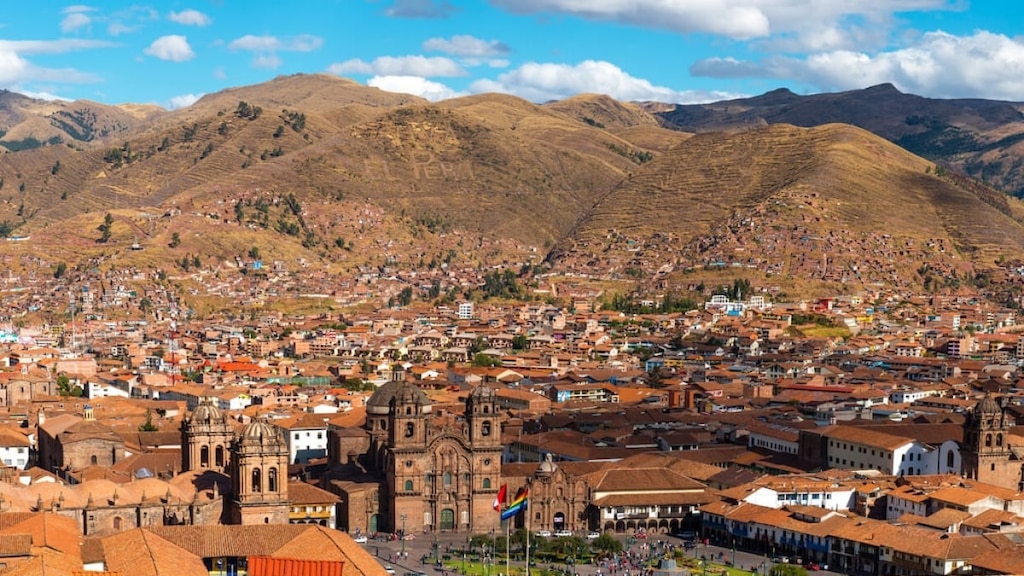
Top 11 Must-Visit Tourist Attractions in Cusco – The Ancient Capital of the Inca Empire in South America
Mar 16, 2026
351 views
Cusco, famously known as the gateway to Machu Picchu, is also celebrated as the ancient capital of the Inca Empire, which once reigned over the Andes. This historic city flourished under Inca rule, and its legacy lives on through the many cobblestone streets and intricately crafted stone structures that showcase the civilization’s advanced engineering skills. In the 16th century, the Spanish conquered Cusco, and today, the city offers a stunning blend of Inca and Spanish colonial heritage, attracting countless visitors from around the world.
Situated at an impressive altitude of about 3,400 meters, Cusco enchants travelers with its lively streets graced by llamas and alpacas, colorful seven-striped flags fluttering in the wind, and vibrant festivals held year-round. A must-visit destination in Peru, Cusco offers a rich cultural experience, breathtaking architecture, and a gateway to unforgettable adventures. Here, we highlight some of the best attractions to explore in this remarkable city—perfect for adding to your travel bucket list.
table of contents
[x] close
Top 11 Must-Visit Tourist Attractions in Cusco – The Ancient Capital of the Inca Empire in South America
- 1. Cusco Cathedral (Catedral del Cuzco o Catedral Basilica de la Virgen de la Asuncion)
- 2. Plaza de Armas
- 3. San Pedro Market (Mercado Central de San Pedro)
- 4. Sacsayhuaman Archaeological Site (Sacsayhuaman)
- 5. Salinas de Maras (Maras Salt Ponds)
- 6. Museo de Arte Religioso (Museum of Religious Art)
- 7. ChocoMuseo (Chocolate Museum)
- 8. Temple of the Sun
- 9. San Blas Church (Iglesia de San Blas)
- 10. Tambomachay
- 11. Twelve Angle Stone
- ◎ Summary
1. Cusco Cathedral (Catedral del Cuzco o Catedral Basilica de la Virgen de la Asuncion)
Standing prominently in front of the Plaza de Armas, the Cusco Cathedral is one of the most iconic landmarks in Peru. Built on the foundations of the Inca temple Kiswarkancha, it was completed in 1654 and showcases a stunning blend of Gothic and Renaissance architecture, reminiscent of Spain during the colonial era. One of its most remarkable features is its massive bell—one of the largest in South America—whose chimes are said to travel as far as 30 kilometers.
Inside the chapel, visitors can admire an impressive collection of religious art. Among the highlights is Marcos Zapata’s famous painting, The Last Supper, a masterpiece of the Escuela Cusqueña style that merges European and Andean cultural elements.
2. Plaza de Armas
In the era of the Inca Empire, the city was built around two sacred squares known as Huacaypata and Aucaypata. After the Spanish conquest, these were merged to form the Plaza de Armas, which remains the heart of Cusco to this day. It is a lively gathering place for both locals and tourists, surrounded by historic colonial buildings, with the cathedral overlooking the square.
At its center stands the striking fountain of the ninth Inca emperor, Pachacuti, while the surrounding streets offer breathtaking views of Cusco’s rooftops and heritage architecture. Whether strolling around, chatting with friends, reading, or watching children play, visitors can soak in the charm of everyday life in Cusco while exploring one of Peru’s most celebrated historical sites.
Name: Plaza de Armas
Address: Centro Histórico, Cusco, Peru
3. San Pedro Market (Mercado Central de San Pedro)
Located just about a 10-minute walk from Cusco’s Plaza de Armas, San Pedro Market is the go-to shopping destination for locals and a must-visit spot for travelers seeking an authentic Peruvian experience. From early morning, the market buzzes with life, offering visitors a unique glimpse into the daily lives of Cusco’s residents. Inside, you’ll find an incredible variety of goods—from fresh vegetables and fruits to souvenirs that make perfect keepsakes.
In the food section, treat yourself to fresh juices made from papaya, orange, mango, and more, or sample traditional local dishes enjoyed by Cusco’s people—not just tourist-oriented fare. You’ll also discover stalls selling coffee, cacao, Maras salt (a favorite among professional chefs), bread, cheese, and other local specialties. For bargain hunters, this is the perfect place to spot hidden treasures. The market also features sweaters, bags, and handicrafts, making it an excellent stop for both shopping and sightseeing—often at prices much lower than supermarkets.
Name: San Pedro Market (Mercado Central de San Pedro)
Address: Tupac Amaru, Cusco, Peru
Official Website: http://boletomachupicchu.com/mercado-central-san-pedro-cusco/
4. Sacsayhuaman Archaeological Site (Sacsayhuaman)
Located about 2 km northwest of central Cusco, Sacsayhuaman is a fascinating fortress ruin where 20,000 Inca warriors are said to have fought against the Spanish. Just a short distance from Cusco’s city center, this UNESCO World Heritage Site rivals Machu Picchu in the awe it inspires. Although much of it was destroyed during the Spanish conquest, its massive, precisely fitted stone walls—built without mortar—remain an engineering marvel.
The site also offers one of the most stunning panoramic views of Cusco, making it a great spot for photography and sightseeing. Every June 24, Sacsayhuaman becomes the stage for Inti Raymi—the Festival of the Sun—where a grand reenactment of Incan rituals takes place, drawing thousands of visitors.
Name: Sacsayhuaman Archaeological Site
Address: Cusco, Peru
Official Website: http://www.latenamerica.com/sacsay.html
5. Salinas de Maras (Maras Salt Ponds)
About 58 kilometers northwest of Cusco, at an altitude of 3,000 meters, lies the breathtaking Salinas de Maras — a stunning natural wonder famous for its dazzling white salt crystals. These terraced salt ponds, said to number over 3,000, form a captivating panorama that is a delight to behold. Since the pre-Inca era, natural saltwater hot springs have continuously flowed here, and to this day, salt is still harvested using traditional methods passed down for centuries.
Visitors can purchase locally harvested salt as a unique souvenir — perfect for taking home a taste of the Andes. The dry season is especially photogenic, with the pure white salt coating the terraced slopes like snow. If you’re in Cusco, this site offers an unforgettable photo opportunity to capture your Peruvian adventure.
Name: Salinas de Maras (Maras Salt Ponds)
Address: Carreta a Maras, Procuradores 366, Cusco 00051
6. Museo de Arte Religioso (Museum of Religious Art)
Located in a charming corner of Cusco, the Museum of Religious Art stands on the foundations of Inca stone walls that once formed the palace of the sixth Inca emperor, Inca Roca. After the Spanish conquest, a nobleman built his residence here, but it was destroyed in the 1590 earthquake. The current building, formerly the Archbishop’s Palace, was constructed afterward and now houses an impressive collection of colonial religious art, ornate altars, and furniture dating back over 300 years.
Highlights include intricately carved doors, gold-leafed altars, and a beautifully decorated entrance with remarkable reliefs and columns. In the central courtyard, a graceful fountain adorned with detailed reliefs captures the elegance of colonial architecture. Don’t miss the famous “Stone of 12 Angles” embedded in the Inca wall at the building’s base — a must-see landmark in Cusco.
Name: Museo de Arte Religioso (Museum of Religious Art)
Address: Calle Herrajes, Cusco
7. ChocoMuseo (Chocolate Museum)
When you think of Cusco in South America, cacao production often comes to mind. One of the must-visit attractions in Cusco is the ChocoMuseo (Chocolate Museum), a delightful destination for chocolate lovers and curious travelers alike. Inside, you’ll discover the fascinating history and health benefits of cacao and chocolate. Visitors can learn the process of chocolate-making from bean to bar, and even participate in fun workshops where you create chocolate directly from cacao beans—an engaging and tasty hands-on experience.
The museum also features a charming café offering a wide variety of cacao-based desserts and drinks. Relax at the terrace facing Regocijo Square, where you can savor fine chocolate while enjoying picturesque views. Before you leave, browse the gift shop for unique chocolate-themed souvenirs—perfect keepsakes from your Cusco trip.
Name: ChocoMuseo (Chocolate Museum)
Address: Calle Garcilaso 210 (2nd Floor), Cusco, Peru
Official Website: http://www.chocomuseo.com/english/our-locations/cusco-per/
8. Temple of the Sun
Located just about 600 meters from Plaza de Armas, the Temple of the Sun is one of Cusco’s most accessible and iconic landmarks. Visitors are captivated by the temple’s stunning architecture and the intricate stonework surrounding it. Overlooking a lush green courtyard, the combination of a brick-built church and ancient stone walls is truly breathtaking.
The temple’s grandeur extends beyond its exterior. Inside, you can admire magnificent religious paintings and explore a serene courtyard. This sacred and historical site is a must-see on any Cusco itinerary, offering both cultural enrichment and awe-inspiring views.
Name: Temple of the Sun
Address: Ahuacpinta 659-A, Cusco, Peru
9. San Blas Church (Iglesia de San Blas)
Perched at the top of a steep slope in Cusco, where the famous “Stone of Twelve Angles” can be found, San Blas Church is a must-visit landmark for travelers. Along the path to the church, you’ll find shops selling religious paintings, candles for church ceremonies, and other devotional items, adding to the deeply spiritual atmosphere. Built in 1560, this historic church exudes a serene and solemn charm.
The highlight for visitors is the intricately carved pulpit, made from a single piece of wood. This masterpiece depicts the realms of heaven, earth, and hell, making it one of Cusco’s most celebrated works of art. The remarkable craftsmanship is bound to leave you in awe. On Saturday mornings, a local market selling handmade crafts is set up nearby—making it the perfect opportunity to enjoy both culture and shopping.
Name: San Blas Church (Iglesia de San Blas)
Address: San Blas, Cusco, Peru
10. Tambomachay
Located just outside Cusco, Tambomachay is an ancient Incan archaeological site known as the “Sacred Spring” or royal bathing place. Remarkably, the site’s water flows year-round—through both rainy and dry seasons—allowing visitors to witness the same flowing waters the Incas once revered.
According to local history, Inca royalty used to bathe here before continuing their journey to Machu Picchu, making it a place of both cultural and historical significance. Situated at an altitude of 3,800 meters, Tambomachay is among the higher-elevation attractions near Cusco, so travelers should take precautions against altitude sickness.
Name: Tambomachay
Address: Cusco, Peru
11. Twelve Angle Stone
Located near the bustling Plaza de Armas in Cusco, the Twelve Angle Stone is one of the city’s most famous attractions, celebrated for its extraordinary precision—so exact that “not even a razor blade can fit between the stones.” This remarkable example of Inca stone masonry is found along a charming street lined with perfectly crafted stone walls, each block placed with flawless accuracy. Among these rectangular stones lies the mysterious twelve-angled stone, a fascinating enigma that has sparked curiosity among countless visitors.
This site is also regarded as a spiritual power spot, where raising your hand toward the stone is believed to allow you to absorb the energy of the sun—a perfect way to experience the mystical aura of the ancient Inca civilization.
Name: Twelve Angle Stone
Address: Calle Hatunrumiyoc, Cusco, Peru
◎ Summary
Cusco’s main tourist spots are conveniently located within walking distance of Plaza de Armas, making sightseeing both easy and enjoyable. The city’s streets, framed by centuries-old Inca stonework, are perfect for leisurely strolls. As evening falls and the sky turns softly crimson, the plaza’s warm lights create a romantic and inviting atmosphere.
For a truly memorable experience, head to a scenic lookout point to admire breathtaking views over the city’s red-brick colonial rooftops. Staying at a hotel converted from a historic monastery offers another unique way to connect with Cusco’s rich heritage. Embrace the beauty, history, and charm of this once-thriving Inca capital—an unforgettable journey into Peru’s cultural heart.
RELATED ARTICLES



REGIONS
CATEGORIES
FEATURED ON South America
-

Discover Rio Grande: 5 Must-Visit Tourist Spots in Brazil’s Charming Port City
-
5 Must-Visit Tourist Attractions in Montería, Northwestern Colombia
-
Cute Souvenirs Everywhere! 4 Recommended Gifts to Buy in La Paz, Bolivia
-
Introducing 4 Recommended Souvenirs from Brazil’s Extraordinary Capital, Brasília!
-

Introducing Popular Souvenirs from Venezuela, a South American Beach Resort Destination!
MOST POPULAR ON South America
-
 1
1Doha: Must-see Attractions in the Capital of Qatar
-
 2
2Toronto: 10 Things to do in this Picturesque Canadian City
-
 3
3Amarillo: A City Famous for It’s Amazing Canyons, Great History and Music
-
 4
4South Korea: Dazzling Scenery, Rich Culture and Fascinating History
-
 5
5Kuwait: A Country in Middle East Asia Famous for Hot Sand Dunes and Stunning Cityscape