


Name: Machu Picchu
Address: Machu Picchu, Peru
Official Website: http://www.peru-japan.org/Smachupicchu.html
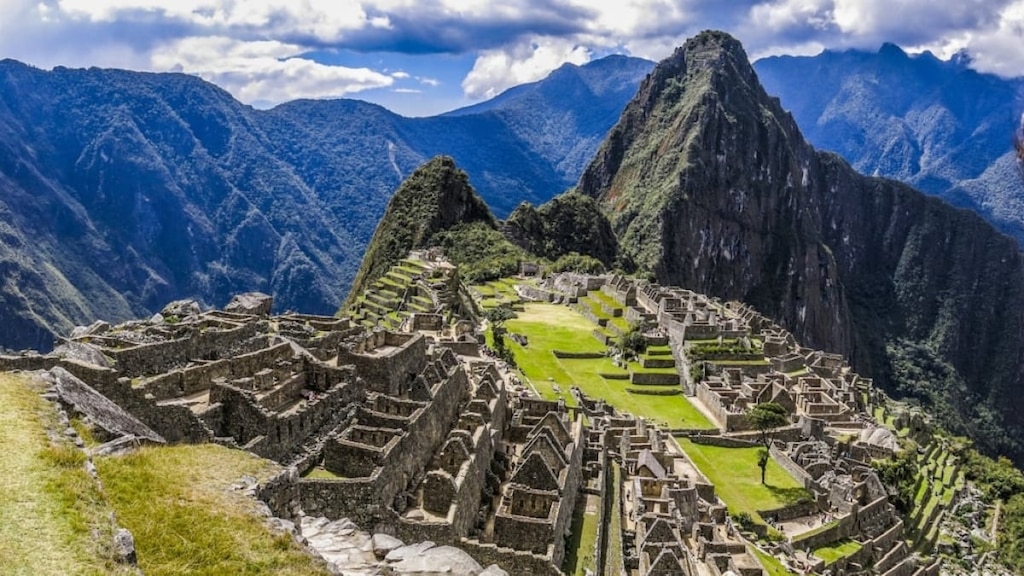
7 Must-Visit Tourist Attractions in Peru Inspired by the Ancient Inca Civilization
Mar 17, 2026
409 views
Renowned for the flourishing Inca civilization since ancient times, Peru is a treasure trove of historic sites, with Machu Picchu standing as its most iconic landmark. Within its vast territory, the country boasts diverse landscapes—from the highlands of the Andes and arid deserts to stunning coastal regions. As one of the leading tourist destinations in South America, Peru attracts countless travelers from around the globe each year. Its breathtaking nature and rich culture are highly acclaimed, and it proudly holds the second-highest number of UNESCO World Heritage Sites in South America, following Brazil.
In this guide, we’ll explore Peru’s must-visit attractions, highlighting 7 unmissable tourist spots that perfectly capture the country’s beauty, history, and cultural charm.
table of contents
[x] close
7 Must-Visit Tourist Attractions in Peru Inspired by the Ancient Inca Civilization
1. Machu Picchu
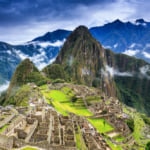
Perched high on a mountain ridge along the Urubamba Valley in the Andes, Machu Picchu is a breathtaking stone city built by the Inca Empire in the 15th century. Hidden among the peaks, this UNESCO World Heritage Site is often called the “City in the Sky” and the “Lost City of the Incas” — titles that perfectly capture its mysterious allure. From the nearby town of Aguas Calientes, which serves as the main base for visitors, Machu Picchu remains invisible until you ascend the winding trails. Even upon reaching its 2,400-meter elevation — roughly 600 meters above the valley floor — you may find the ruins shrouded in clouds. But with patience, the mist will part, revealing the magnificent panorama of terraces, temples, and stone walls dramatically suspended between the mountains.
Most travelers reach Machu Picchu from Cusco via train or a combination of minibus and train. Wrapped in ancient mysteries still unsolved, this remarkable site will exceed your expectations and is considered the highlight of any trip to Peru.
2. Lima Historic Centre
The heart of Peru’s capital, Lima, is its historic district known as Centro Histórico de Lima. Recognized as a UNESCO World Heritage Site, this area is famed for its beautifully preserved colonial architecture and well-planned street grid, making it easy for travelers to explore without getting lost—especially with a map in hand. At the center lies Plaza Mayor (Plaza de Armas), where the majestic Lima Cathedral stands tall, a striking example of Spanish colonial influence. This cathedral, built by the Spanish conquistador Francisco Pizarro himself, reflects Peru’s rich history and cultural heritage.
Surrounding the plaza are notable landmarks such as the Government Palace of Peru and the Municipal Palace of Lima. One of the highlights for visitors is the changing of the guard ceremony at the Government Palace, held around midday. The event features a marching band in elaborate uniforms, performing lively music that captivates tourists. Most of the area’s key attractions are located within a few blocks of the plaza, making it perfect for a walking tour that combines sightseeing, history, and cultural immersion.
Name: Lima Historic Centre
Address: Lima, Peru
Official Website: http://www.peru-japan.org/Slima.html
3. Nazca Lines
One of the most fascinating reasons why Peru is often called a land of mystery is the existence of the Nazca Lines. Standing on the plains where these massive geoglyphs are etched won’t give you a full view of their size or shape—it’s only from above that their true magnificence is revealed. But why were they created? Over the years, researchers have explored many theories, from astronomical calendars to sacred rituals. Yet, what we truly understand today is limited: these figures were made by removing the dark sand and stones covering the desert, revealing the lighter ground underneath. And because the Nazca Desert receives almost no rain throughout the year, these ancient designs have survived for centuries.
For travelers, there are two essential ways to fully appreciate these mysterious drawings. First, take a Cessna flight tour to view the geoglyphs from the air. Second, prepare in advance by learning about the history and meaning of the Nazca Lines before joining a guided tour. There are about 30 major figures to see, so come ready for an unforgettable experience. If you’re prone to motion sickness, remember to bring motion sickness medication.
Name: Nazca Lines
Address: Nazca, Peru
4. Cusco Historic District (Cusco)
Located at an altitude of 3,400 meters in the Peruvian Andes, Cusco is the ancient city that every traveler passes through on their way to Machu Picchu. From the 13th to the 16th century, Cusco served as the capital of the Inca Empire. After the Spanish conquest, colonial-style buildings were constructed atop the expertly built Inca stone foundations, creating a unique fusion of cultures and architectural styles.
Like many other Peruvian cities, Cusco is centered around a main plaza, with its surrounding area designated as a UNESCO World Heritage Site. Many tourist attractions are concentrated nearby, making it easy to explore. One must-see is the famous Twelve-Angled Stone, a remarkable example of the Inca’s advanced stonework. Even after major earthquakes destroyed the buildings above, the original Inca stone walls have remained intact — a testament to the empire’s sophisticated engineering and mathematical knowledge.
Name: Cusco Historic District
Address: Cusco 08002, Peru
5. Maras Salt Ponds (Maras)
Located about an hour from Cusco, Peru, at an altitude of around 3,000 meters, the Maras Salt Ponds are a centuries-old marvel of Andean ingenuity. Fed by naturally salty spring water from the mountains, these ponds—arranged like agricultural terraces—collect water which is then sun-dried to evaporate moisture, leaving behind pure, mineral-rich salt. With around 4,000 individual pools, the stepped pattern shimmers white under the sun, resembling fish scales from a distance. Up close, you can witness a living tradition, as the ponds are still actively used for salt harvesting today.
For the best experience, visit during the dry season from April to September, when the ponds appear dazzling white and salt production is in full swing. The natural salt of Maras, rich in minerals, is a popular souvenir from Peru and a must-buy for travelers.
Name: Maras Salt Ponds (Maras)
Address: San Isidro G-15, Cusco 00051, Peru
6. Lake Titicaca (Puno)
Straddling the border between Peru and Bolivia, Lake Titicaca is the world’s highest navigable lake, located at an incredible altitude of 3,890 meters—higher than Japan’s Mount Fuji. Revered as a sacred lake since ancient times, it is rich in fish such as trout and serves as a vital source of livelihood for local communities.
One of Lake Titicaca’s most unique attractions is its 40 floating islands, made entirely from layers of the aquatic plant totora. These islands are home to more than 700 people. Visitors can tour the islands, but local Peruvian travel agencies encourage offering bread or fruit instead of candy to the children—helping maintain their dental health since the islands have no dentists. Respecting local customs ensures a more responsible and enriching travel experience.
Name: Lake Titicaca (Puno)
Address: Puno 21001, Peru
7. Manu National Park (Manú)
Located a full day’s drive from Cusco toward the Brazil and Bolivia borders, Manu National Park is the largest national park in Peru. Its remote location has kept its pristine wilderness largely untouched, earning it a place on the UNESCO World Natural Heritage list. The park boasts an incredible diversity of life: around 100 species of mammals, about 1,000 species of birds, and an astonishing 5,000 species of plants.
Visiting Manu National Park is usually done through organized tours. The best time to visit is during the dry season from April to October. In particular, July and August are ideal for wildlife observation, as animals gather along the riverbanks in search of water. While access is challenging, this hidden gem offers a rewarding experience for nature lovers seeking an unspoiled Peruvian destination.
Name: Manu National Park
Address: Manu, Manu National Park 17700, Peru
◎ Summary
We have now introduced 7 of Peru’s must-visit tourist destinations. From ancient Inca ruins to historic landmarks, Peru holds a mystical charm. With its wealth of natural wonders, it attracts travelers of all kinds. Developed amid rich and breathtaking landscapes, the mighty Inca Empire continues to inspire awe. Visiting Peru lets you connect with its distant past while enjoying the beauty of its living nature—an experience that makes every journey here unforgettable. Discover the Inca civilization and Peru’s great outdoors on your next adventure!
RELATED ARTICLES


REGIONS
CATEGORIES
FEATURED ON Peru
-

You Absolutely Can’t Eat This in Lima! Top 3 Must-Visit Tourist Attractions in Piura, Peru’s Hidden Gourmet Paradise
-
How to Travel to Machu Picchu, Peru
-

7 Amazing Hotel Experiences Around the World
-
Highly Underrated Places You Need to Check Out in South America
-

The Best of Peruvian Cuisine: 9 Dishes You Need to Try in Peru
MOST POPULAR ON Peru
-
 1
1Doha: Must-see Attractions in the Capital of Qatar
-
 2
2Toronto: 10 Things to do in this Picturesque Canadian City
-
 3
3Amarillo: A City Famous for It’s Amazing Canyons, Great History and Music
-
 4
4South Korea: Dazzling Scenery, Rich Culture and Fascinating History
-
 5
5Kuwait: A Country in Middle East Asia Famous for Hot Sand Dunes and Stunning Cityscape