


Name: Kashihara Jingu Shrine
Address: 934 Kume-cho, Kashihara City, Nara Prefecture
Official/Related Website: http://www.kashiharajingu.or.jp/
Ancient history stroll: 8 must-visit tourist spots in Kashihara City for history lovers
May 6, 2026
387 views
Kashihara City (Kashihara-shi) is a town located in the south-central part of the Nara Basin, in the midwestern region of Nara Prefecture. It is an area with many flatlands and includes the three mountains known as Yamato Sanzan: Mount Unebi, Mount Miminashi, and Mount Kagu. The city’s name comes from “Kashihara-no-miya,” a palace built after Emperor Jimmu’s enthronement. The city’s symbol mark is a kite, which is associated with Emperor Jimmu. This area is also where Japan’s first capital city, Fujiwara-kyo, was established. Kashihara City thrived as the capital for 16 years from 694, when the capital was moved to Fujiwara-kyo, until it was relocated to Heijo-kyo.
At the same time, Kashihara City is also a major urban area with the second-largest population in Nara Prefecture. The city features buildings housing financial institutions, securities firms, and media companies, along with a variety of commercial facilities. While modernization continues, Kashihara has not lost its history and traditions, making it a rare city where the past and present coexist. If you plan to explore the charm of Kashihara City, the seven spots introduced here are highly recommended.
table of contents
[x] close
Ancient history stroll: 8 must-visit tourist spots in Kashihara City for history lovers
- 1. Kashihara Jingu Shrine
- 2. Mount Kagu
- 3. Kashihara City Insect Museum (Kaguyama Park)
- 4. Kashihara City Children’s Science Museum
- 5. Museum Attached to Kashihara Archaeological Institute
- 6. Mausoleum of Emperor Jimmu
- 7. Site of Fujiwara Palace (Nara National Research Institute for Cultural Properties, Kashihara City Fujiwara-kyo Exhibition Room)
- 8. Museum of Historical Comfort
- ◎ Summary
1. Kashihara Jingu Shrine
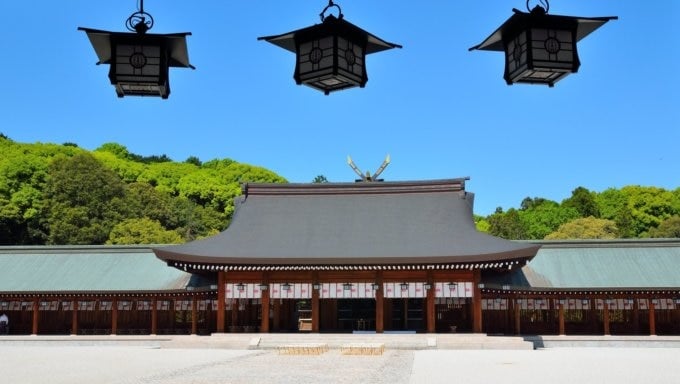
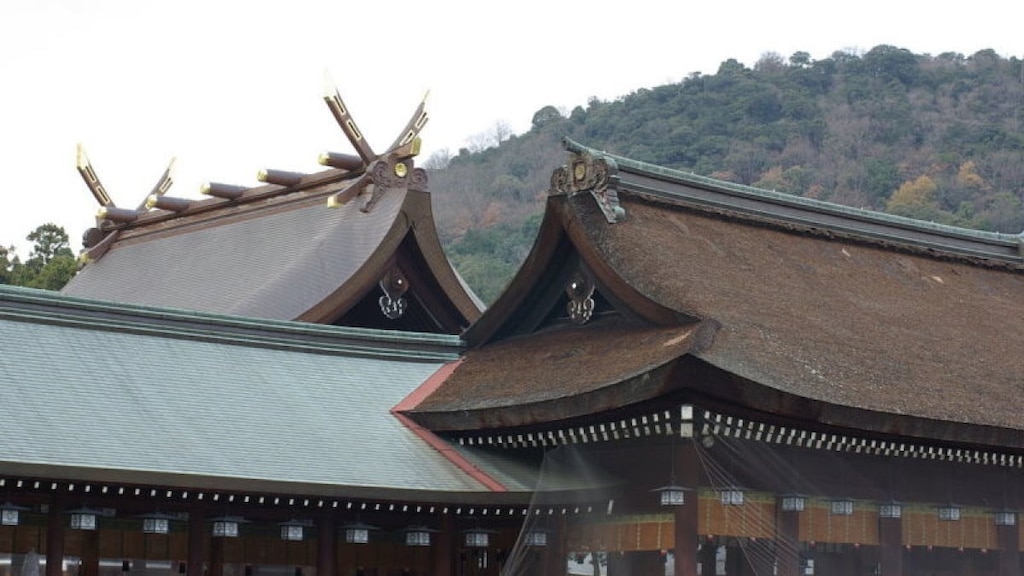
Kashihara Jingu Shrine was established in 1890 (Meiji 23) by Emperor Meiji to enshrine Emperor Jimmu. It is built at “Kashihara-no-miya,” located at the southern foot of Mount Unebi, where Emperor Jimmu is said to have been enthroned. Kashihara Jingu has a vast sacred precinct of approximately 500,000 square meters and is also famous for the large number of visitors during the New Year’s first shrine visit (Hatsumode). Alongside Kasuga Taisha, it is one of Nara’s most representative shrines.
Passing through the first torii gate and walking along the grand approach, you cross the sacred bridge over the Miyagawa River and reach the second torii gate. The main hall and Kaguraden, with their cypress bark roofs, exude a solemn atmosphere. After paying your respects, be sure to visit Fukada Pond, located to the south.
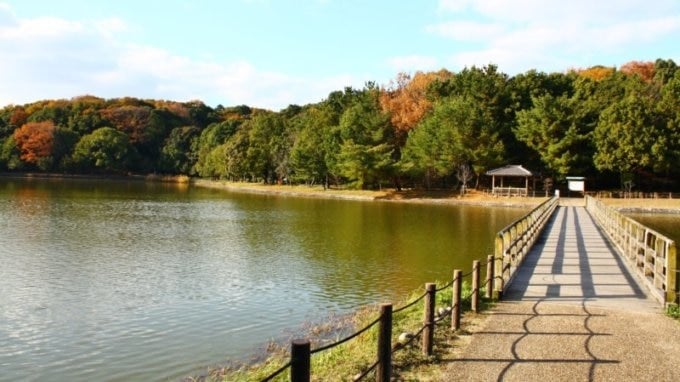
Fukada Pond, located south of the South Shrine Gate Plaza, is perfect for a stroll, with a well-maintained walking path. You can enjoy seasonal flowers such as azaleas, wisteria, water lilies, and irises.
2. Mount Kagu
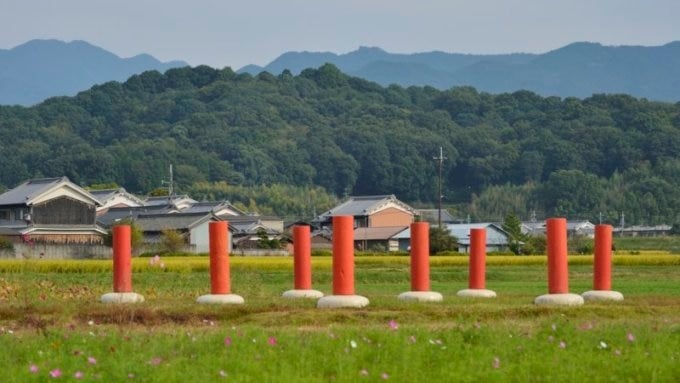
Mount Kagu (Kaguyama) is the second tallest of the Yamato Sanzan (Three Mountains of Yamato), with an elevation of 152.4 meters. It is also known as “Ama no Kaguyama,” a sacred mountain. According to a passage from the lost text of the Iyo no Kuni Fudoki, it is one of two mountains said to have fallen from the heavens and split in two.
Because Mount Kagu is located east of Fujiwara-kyo, it is said to have been a site of sun worship. Loved by people yet wrapped in a somewhat mystical atmosphere, Mount Kagu also appears in the Manyoshu. Empress Jito’s poem, “Spring has passed, and summer seems to have arrived—Heavenly Kaguyama, where they dry white robes,” evokes the mountain’s aura. Mount Kagu is designated both as a national scenic spot and a Special Preservation District for Historical Landscape. Even today, it remains a popular destination for many tourists.
Name: Mount Kagu
Address: Minamiura-cho, Kashihara City, Nara Prefecture
Official/Related Website: https://goo.gl/s72tGJ
3. Kashihara City Insect Museum (Kaguyama Park)
After immersing yourself in the world of classical poetry at Mount Kagu, how about moving your body a little? Kaguyama Park, located on the southern foothills of Mount Kagu, is a beloved hometown park not only for tourists but also for the citizens of Kashihara City. Its expansive grounds are full of the city’s rich natural scenery. You can enjoy a picnic with a simple lunch, admire cherry blossoms in spring, and view autumn foliage in fall. The park is also equipped with playgrounds—athletic equipment and slides for children, and hanging exercise bars and strength training equipment for adults.
Another must-visit in Kaguyama Park is the Insect Museum. Kashihara City Insect Museum, the only natural history museum in the prefecture, is located within the park. Its theme is “not just to look, but to touch and feel,” with over 1,000 exhibits, including insect and fossil specimens. In the butterfly greenhouse, you can watch butterflies energetically fluttering about.
Name: Kashihara City Insect Museum (Kaguyama Park)
Address: Minamiyama-cho, Kashihara City, Nara Prefecture
Official/Related Website: https://www.city.kashihara.nara.jp/insect/index.html
4. Kashihara City Children’s Science Museum
The “Kashihara City Children’s Science Museum” is a hands-on, participatory science museum where you can learn about science while playing. It is a recommended facility for families, offering fascinating experiences related to force, magnets, light and sound, space, and air.
Its most popular attraction is the Space Ship Simulator, where you can pilot a spacecraft! Other highlights include an experimental workshop that explains various scientific phenomena in an easy-to-understand way, Foucault’s Pendulum that demonstrates the Earth’s rotation, and a large-screen theater room. Both children and adults can enjoy the excitement. The museum also hosts seasonal limited-time events, including the “Science Festival” in March. The Science Festival is a jam-packed event that uses the entire “Kashihara Manyo Hall,” which includes the museum, and often features special guests. Be sure to check the official page in advance.
Name: Kashihara City Children’s Science Museum
Address: 11-5 Obusa-cho, Kashihara City, Nara Prefecture
Official/Related Website: https://www.city.kashihara.nara.jp/science/kagakukan/
5. Museum Attached to Kashihara Archaeological Institute
The “Museum Attached to the Kashihara Archaeological Institute” exhibits artifacts excavated by the Nara Prefectural Kashihara Archaeological Institute since 1938. The exhibits are divided into periods, from the Paleolithic era to the Jomon, Yayoi, Kofun, Asuka/Nara, and Heian to Muromachi periods. While there are other museums where you can study history, it is rare to find one where you can see so many authentic artifacts in person. The museum also hosts special exhibitions with various themes that even repeat visitors can enjoy.
In addition, the museum provides worksheets for elementary and junior high school students. With the concept of “learning while having fun,” the worksheets allow you to study as if you were solving quizzes rather than doing homework. There are many “Ah, I see!” moments that even adults can enjoy. During your visit to Kashihara, you might just become captivated by the core appeal of archaeology.
Name: Museum Attached to the Kashihara Archaeological Institute
Address: 50-2 Unebi-cho, Kashihara City, Nara Prefecture
Official/Related Website: http://www.kashikoken.jp/museum/top.html
6. Mausoleum of Emperor Jimmu
Emperor Jimmu is a legendary figure said to have ascended to the throne at Kashihara-no-miya in 660 BCE as Japan’s first emperor. He appears in both the Kojiki and the Nihon Shoki and is still widely spoken of today. The “Mausoleum of Emperor Jimmu” is a circular mound located at the northeastern foot of Mount Unebi, with a circumference of about 100 meters and a moat about 16 meters wide. Originally constructed in 1887 (Meiji 20), the mausoleum was surrounded by a hexagonal stone wall and an additional outer fence. However, during the Taisho era, it was discovered that burial mounds from the era attributed to Emperor Jimmu were circular, so the mausoleum was reconstructed as a circular mound, which remains today.
Kashihara City, famous as the site of Emperor Jimmu’s enthronement, has a golden kite (kintoki) as its city symbol. According to the Nihon Shoki, this golden kite perched on Emperor Jimmu’s bow, shone brightly, and drove away his enemies. Since Kashihara Jingu Shrine is located just south of the mausoleum, visiting both together is highly recommended.
Name: Mausoleum of Emperor Jimmu
Address: Okubo-cho, Kashihara City, Nara Prefecture
Official/Related Website: https://goo.gl/mEVnkx
7. Site of Fujiwara Palace (Nara National Research Institute for Cultural Properties, Kashihara City Fujiwara-kyo Exhibition Room)
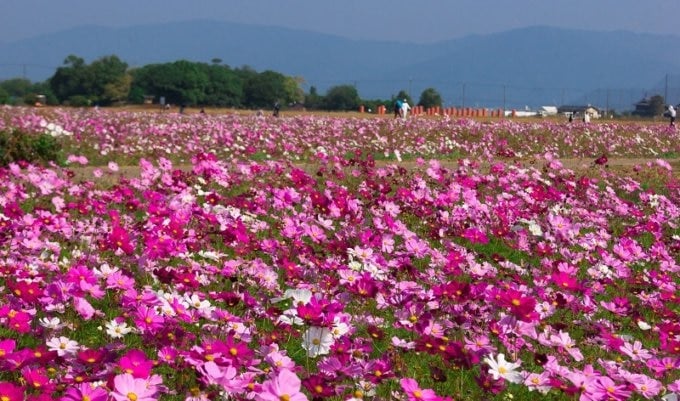
The Site of Fujiwara Palace is the location where Fujiwara Palace, the center of Fujiwara-kyo, once stood. Today, the palace itself is gone, leaving behind open fields where cosmos and lotus flowers bloom, creating a beautiful landscape. Yet, it remains a place where you can learn about the aristocratic culture of the time while enjoying seasonal plants. After exploring the Fujiwara-kyo ruins, visit the Kashihara City Fujiwara-kyo Exhibition Room and the Fujiwara Palace Site Exhibition Room of the Nara National Research Institute for Cultural Properties.
The Kashihara City Fujiwara-kyo Exhibition Room is located about 250 meters west of the palace site. It features a 1/100 scale model of the ancient capital, excavated artifacts, and dolls dressed in period clothing. A large monitor uses computer graphics to recreate Fujiwara-kyo, and animated screenings showcase the lives of the people of the time. Don’t forget to capture your visit at the photo spot.
The Nara National Research Institute for Cultural Properties stores pottery, wooden artifacts, and wooden tablets excavated from the Fujiwara-kyo area. The exhibition room clearly displays many valuable materials along with models explaining the process of building Fujiwara-kyo.
Name: Site of Fujiwara Palace
Address: Takadono-cho and surrounding areas, Kashihara City, Nara Prefecture
Official/Related Website: https://goo.gl/mEVnkx
8. Museum of Historical Comfort
As introduced above, Kashihara City retains a wealth of history and mythology. Visiting each tourist spot is a valuable experience, but sightseeing time is often limited. For those who want to tour efficiently, this museum is the best place to start.
The “Museum of Historical Comfort” broadly exhibits and explains artifacts and materials from the Paleolithic to the Edo period. How about first gaining a general understanding of history here, and then picking the spots you want to visit? In addition to the historical displays, the museum offers various events such as touching excavated pottery and participating in hands-on learning experiences. Use the “Museum of Historical Comfort” as the starting point for Kashihara sightseeing—or as a final summary of your historical journey.
Name: Museum of Historical Comfort
Address: 858-1 Kawanishi-cho, Kashihara City, Nara Prefecture
Official/Related Website: http://www.city.kashihara.nara.jp/hakubutsukan/
◎ Summary
Kashihara City, whose history begins with Emperor Jimmu, still breathes the legacy of that era. From the Mausoleum of Emperor Jimmu to museums and exhibition rooms displaying numerous excavated artifacts, you can witness this history firsthand. After learning about the past, the view of the Yamato Sanzan and the scenery of Kashihara will seem to speak to you in a new way. Visiting amusement parks is fun, but touring the birthplace of Japan’s history is an equally rewarding experience.
RELATED ARTICLES

REGIONS
CATEGORIES
FEATURED ON Japan
-
From the Southeastern of Mount Hakodate, “Tachimachi Cape,” you can gaze out over the sheer cliff coastline and toward the Shimokita and Tsugaru Peninsulas.
-

Informatio About Yokohama Anpanman Children’s Museum
-

5 Must-Visit Tourist Spots in Nagasaki You Can Enjoy Even on Rainy Days
-
A Town in Full Bloom! Top 5 Must-Visit Tourist Spots in Sera, Hiroshima
-
5 Must-Visit Tourist Spots in Oigami Onsen, Gunma – Surrounded by Abundant Nature!
MOST POPULAR ON Japan
-
 1
1Doha: Must-see Attractions in the Capital of Qatar
-
 2
2Toronto: 10 Things to do in this Picturesque Canadian City
-
 3
3Amarillo: A City Famous for It’s Amazing Canyons, Great History and Music
-
 4
4South Korea: Dazzling Scenery, Rich Culture and Fascinating History
-
 5
5Kuwait: A Country in Middle East Asia Famous for Hot Sand Dunes and Stunning Cityscape