


Name: Koutammakou, the Land of the Batammariba
Address: Koutammakou, Togo
Official Site: http://whc.unesco.org/en/list/1140/
Discover Togo’s Only UNESCO World Heritage Site: Experience Batammariba Life in Koutammakou
Jul 21, 2026
235 views
The Republic of Togo, located in West Africa, is home to a single UNESCO World Heritage Site. This is Koutammakou, a cultural landscape in the northeastern part of the country, where the Batammariba people continue to live in harmony with nature through farming and forestry. Their way of life and traditional settlements were recognized for their cultural significance, leading to Koutammakou’s inscription as a UNESCO World Heritage Site in 2004.
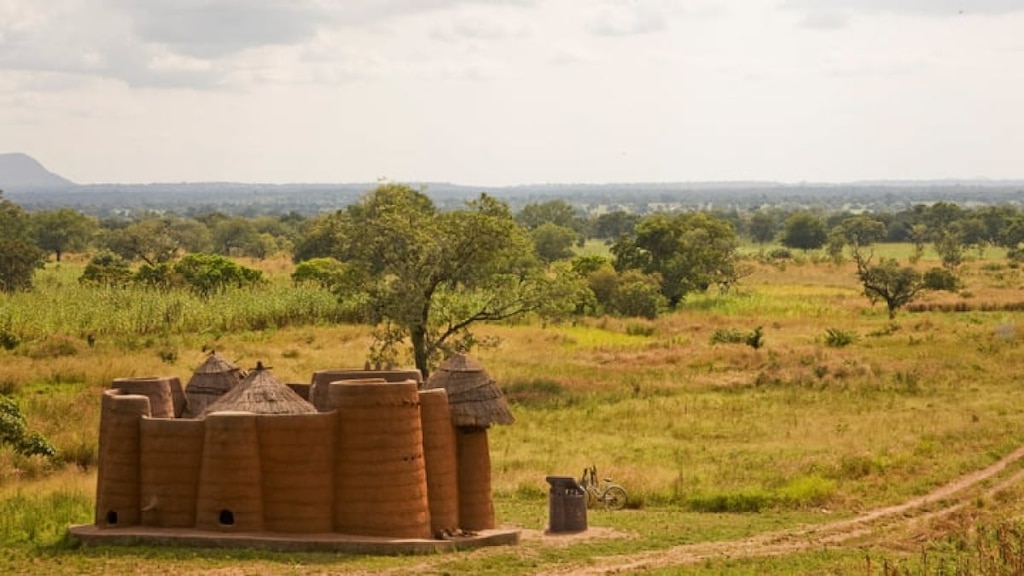
The most iconic symbol of Koutammakou is the Takienta, a traditional mud tower house. These remarkable structures are not only practical dwellings but also hold deep spiritual meaning. The entrance of the Takienta symbolizes the human mouth, while the windows represent the eyes, reflecting a religious and cultural connection that has been preserved for generations.
When visiting Togo, exploring the Land of the Batammariba offers travelers a chance to witness authentic African heritage, architecture, and traditions that remain vibrant to this day.
table of contents
[x] close
Discover Togo’s Only UNESCO World Heritage Site: Experience Batammariba Life in Koutammakou
What is Koutammakou, the Land of the Batammariba?
Koutammakou, also known as the Land of the Batammariba, is a UNESCO World Heritage Site in northern Togo, first settled around the 16th century. The Batammariba people, who still live here today, sustain themselves through livestock raising, agriculture, and forestry. Their lifestyle is unique because their homes, farmlands, and forests are all deeply connected to traditional beliefs and rituals.
One of the most distinctive features of Batammariba culture is the Takyenta, mud houses shaped like towers. These houses cannot be built freely—only those who have undergone adulthood rituals are allowed to have one. Interestingly, adulthood here is not defined strictly by age. As long as the initiation ceremony is completed, even the young may be considered adults.
The initiation itself is remarkable: in front of the house of the initiator, adults strike each other with whips and axes while smiling, wearing no protective armor. After the ritual, their bodies are often covered in wounds, which has earned the Batammariba people the reputation of being “a people of endurance.”
Just as in Togo, where Islam, Christianity, and traditional religions coexist, the Batammariba people continue to preserve their ancestral culture. This unique cultural landscape shaped by their beliefs was recognized internationally, and in 2004, Koutammakou was declared Togo’s first UNESCO World Heritage Site.
How to Get to Koutammakou
Koutammakou lies over 500 km north of Lomé, the capital of Togo. You can fly directly to Lomé but Paris also offers about two daily flights to Lomé.
Within Togo, transportation is mainly by shared taxis and bush taxis (minibuses). To reach Koutammakou, you can take a long-distance bus to Kara, a small town nearby, which takes about 7 hours. From Kara, head about 70 km north along National Route 1 to reach the UNESCO site.
Local guides in Kara can help arrange transport and provide cultural insights. While taxis, motorcycles, and bush taxis are available, fares vary widely, so always negotiate the price before traveling.
Recommended points of the Land of the Batammariba (Koutammakou, Togo)
◆ Takienta (Tata Houses)
The UNESCO World Heritage Site Land of the Batammariba in Togo is best known for its striking Takienta, also called Tata houses. These traditional mud tower-houses stand out for their symbolic design, deeply tied to the Batammariba’s spiritual beliefs. Each architectural element has meaning: the entrance represents the mouth, windows are the eyes, the millstone is the teeth, and the grain storage symbolizes the stomach. Interestingly, every Takienta is linked to specific clans, reinforcing the community’s cultural identity.
Takienta is more than just a home—it also serves as a sacred site for rituals, including the famous coming-of-age ceremony. During this rite, adults symbolically fight with whips or axes in front of the initiate’s home, while the young person stays hidden inside, listening to the sounds of conflict. This ritual represents the struggles of adulthood and affirms the new status of the initiate within the community.
The Batammariba are believed to have migrated from further north, once coexisting with the Mossi people, before settling in Koutammakou several centuries ago. While the exact origins of Takienta remain unclear, the oldest documented ones date back to the late 19th century, preserved not only in oral tradition but also in photographs. Today, these mud towers continue to fascinate travelers with their cultural depth and architectural uniqueness, making them a must-see in Togo.
Travel Tips for Visiting Koutammakou
Koutammakou is the only UNESCO World Heritage Site in Togo, but it has not yet been fully developed for tourism. Because of this, wandering around without guidance can cause problems. Visitors are advised to first stop by the small hut at the village entrance, pay the entrance fee, and greet the village chief before starting their tour.
One of the most important sites is the “Takienta”, the traditional mud tower houses of the Batammariba people. These structures are believed to be inhabited by ancestral spirits, making them extremely sacred. Visitors must avoid loud noises or heavy footsteps near them. Photography is allowed, but out of respect, it’s best to avoid capturing people in the photos. If individuals appear in your shots, you may be asked to pay an additional fee.
◎ Summary
The Takienta may look primitive at first glance, but they are deeply tied to the Batammariba people’s religion and culture. They are not only sacred but also highly functional, filled with the wisdom of generations. Spread across more than 50,000 hectares, these unique houses are lined up in harmony, creating a breathtaking sight.
If you are planning a trip to West Africa, don’t miss the chance to visit Koutammakou – the Land of the Batammariba People, Togo’s one and only UNESCO World Heritage treasure.
RELATED ARTICLES





REGIONS
CATEGORIES
FEATURED ON Togo


MOST POPULAR ON Togo
-
 1
1Doha: Must-see Attractions in the Capital of Qatar
-
 2
2Toronto: 10 Things to do in this Picturesque Canadian City
-
 3
3Amarillo: A City Famous for It’s Amazing Canyons, Great History and Music
-
 4
4South Korea: Dazzling Scenery, Rich Culture and Fascinating History
-
 5
5Kuwait: A Country in Middle East Asia Famous for Hot Sand Dunes and Stunning Cityscape