


Name: Ōzu Red Brick Hall
Address: 60 Ōzu, Ōzu City, Ehime Prefecture
Official/Related Site: http://www.city.ozu.ehime.jp/site/kanko/1176.html
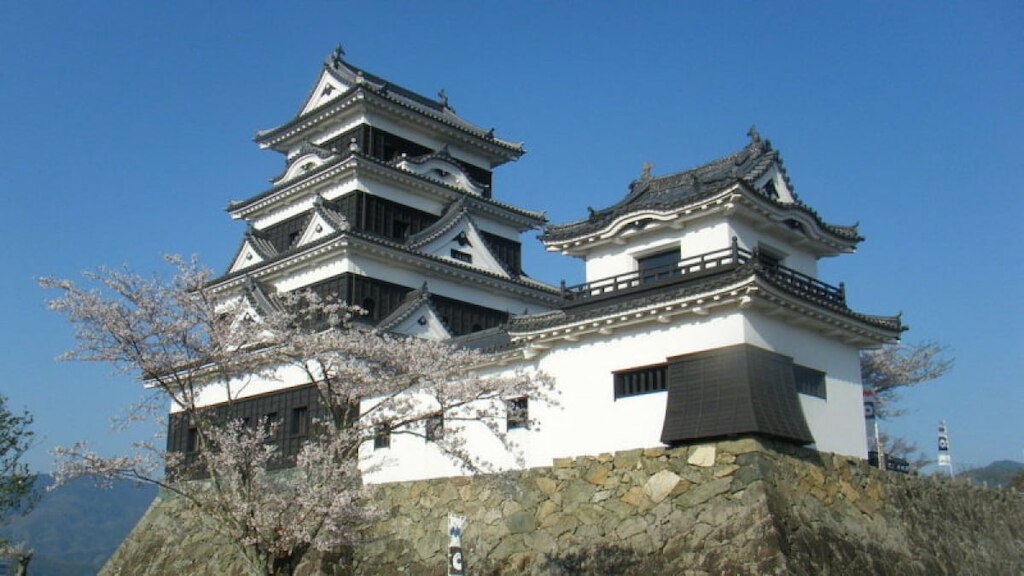
4 recommended tourist spots to enjoy “Little Kyoto of Iyo,” Ōzu
Feb 9, 2026
506 views
Located in the Nanyo region of Ehime Prefecture, Ōzu City is a castle town affectionately called “Little Kyoto of Iyo.” It flourished around Ōzu Castle, which stands beside the Hijikawa River, the largest in the prefecture. The area boasts many historically valuable buildings from the Edo, Meiji, and Taishō eras, offering numerous sightseeing highlights. In addition to its historical landmarks, Ōzu is also known for “Ōzu no Ukai,” one of Japan’s three major cormorant fishing traditions.
You can stroll through the nostalgic castle town streets or wander around while soaking in the romantic Taishō-era atmosphere. Experiencing Ōzu’s unique cormorant fishing is also a delight. With so many attractions, it’s easy to get overwhelmed — so here are four carefully selected spots you shouldn’t miss.
table of contents
[x] close
4 recommended tourist spots to enjoy “Little Kyoto of Iyo,” Ōzu
- 1. “Ōzu Red Brick Hall” — Feel the Romance of the Civilization and Enlightenment Era
- 2. “Ōzu Castle” — The Four-Story Keep Watching Over the Town
- 3. “Nagahama Ōhashi Bridge” — Japan’s Oldest Functioning Drawbridge
- 4. “Garyū Sansō Villa” — A Scenic Retreat Overlooking the Picturesque Hijikawa River
- ◎ Summary
1. “Ōzu Red Brick Hall” — Feel the Romance of the Civilization and Enlightenment Era
The Ōzu Red Brick Hall in Ōzu City is a Western-Japanese fusion-style building constructed in 1901 (Meiji 34) as the main office of Ōzu Commercial Bank. Its red brick exterior — rare for the time — is topped with traditional Japanese tiles, and its ridge-end ornament engraved with the character for “commerce” catches the eye. During the height of modernization, Ōzu thrived thanks to river transport on the Hijikawa, becoming a major hub for silk and wax trading — a symbol of its golden age.
This precious building, brimming with the dynamism and romance of the Meiji–Taishō eras, now houses galleries and shops selling local specialties and crafts, serving also as a rest area. Nearby attractions include “Pokopen Alley” and “Memory Warehouse,” perfect for exploring together.
2. “Ōzu Castle” — The Four-Story Keep Watching Over the Town
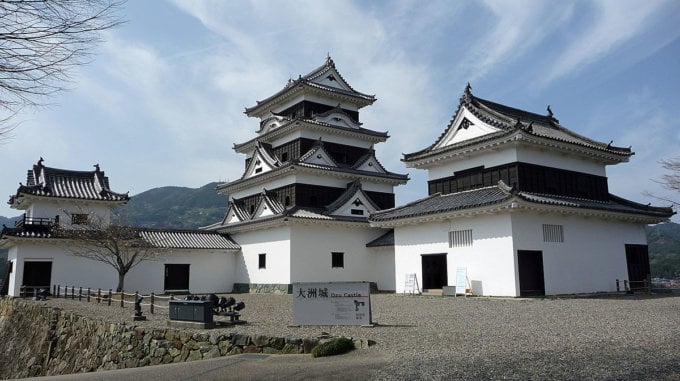
Standing beside the Hijikawa River, Ōzu Castle is one of the city’s landmark attractions. The original castle was built in 1331 by Toyofusa Utsunomiya on Mount Jizōgatake. After multiple renovations, it became the political and economic center of the Ōzu Domain. However, after centuries, the keep was dismantled in 1888 due to decay.
The four-story keep was faithfully reconstructed in 2004 thanks to the passionate efforts of local citizens. The project used an abundance of historical materials — including old photographs from the Meiji period and traditional wooden models from the Edo era — a rare wealth of resources. From the top, you can feel the pride and dedication of the townspeople. The “Sannomaru Minami-sumi Turret” and three other Edo-period structures remain and are designated as Important Cultural Properties of Japan.
Name: Ōzu Castle
Address: 903 Ōzu, Ōzu City, Ehime Prefecture
Official/Related Site: http://www.ozucastle.jp/
3. “Nagahama Ōhashi Bridge” — Japan’s Oldest Functioning Drawbridge
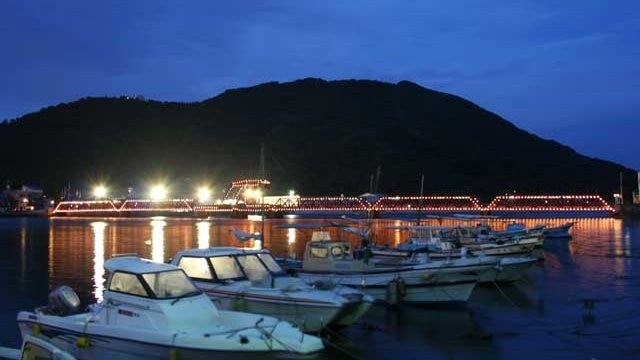
The Nagahama Ōhashi Bridge, also known as the “Red Bridge” for its vivid hue, spans the mouth of the Hijikawa River. Completed in 1935 (Shōwa 10), it was built as a bascule-type drawbridge to accommodate ship traffic, which was then the main mode of transportation. Measuring about 232 meters long with an 18-meter movable section, it remains Japan’s oldest operational drawbridge.
While it once opened each time a vessel passed, today it lifts only once a week — every Sunday at 1 p.m. — for inspection and sightseeing. In summer, its red structure is illuminated, making it a popular photo spot. As a nationally designated Important Cultural Property, it’s well worth a visit.
Name: Nagahama Ōhashi Bridge (Red Bridge)
Address: Nagahama, Ōzu City, Ehime Prefecture
Official/Related Site: http://www.city.ozu.ehime.jp/site/kanko/1216.html
4. “Garyū Sansō Villa” — A Scenic Retreat Overlooking the Picturesque Hijikawa River
Garyū Sansō is a serene villa located along the Hijikawa River, facing the scenic spot “Garyū Gorge.” The three tea-house-style buildings — Garyū-in, Furō-an, and Chishian — were constructed over ten years by Torajirō Kawachi, a Meiji-era trader. In 1956, Garyū Sansō was designated a Cultural Property of Ōzu City, and in 1985, Garyū-in and Furō-an were registered as Tangible Cultural Properties of Ehime Prefecture.
The views from the villa and gardens perfectly embody the spirit of Japan, offering visitors a glimpse of natural beauty that changes with each season. From spring to autumn, visitors can also enjoy traditional tea service on weekends and holidays — a peaceful interlude amid sightseeing.
Name: Garyū Sansō
Address: 411-2 Ōzu, Ōzu City, Ehime Prefecture
Official/Related Site: http://www.garyusanso.jp/
◎ Summary
Ōzu, which prospered as a castle town around Ōzu Castle, is known as “Little Kyoto of Iyo” for its rich history and culture. With so many notable spots, one day is hardly enough to see them all. The four featured here — the symbolic “Ōzu Castle,” the Meiji-era “Ōzu Red Brick Hall,” the industrial heritage “Nagahama Ōhashi Bridge,” and the scenic “Garyū Sansō” — are must-visits. Each represents the pride and beauty of Ōzu, a city full of charm and tradition. Take this opportunity to explore its captivating sights.
RELATED ARTICLES


REGIONS
CATEGORIES
FEATURED ON Ehime
-
4 charming tourist spots in Tobe Town, Ehime Prefecture! The Pottery Town Famous for Tobe-yaki
-
11 recommended sightseeing spots in Matsuno Town, Ehime Prefecture. Let’s go to the refreshing “Forest Country”!
-
A trip to the warm port town of Yawatahama, Ehime Prefecture! 3 recommended sightseeing spots
-
Discover the Unique Attractions of Ehime’s Komobuchi Peninsula – Where Distinctive Lifestyles and Scenic Views Await!
-
[Scenic Views from the Station] Shimonada Station in Ehime Prefecture: Complete Tourist Guide!
MOST POPULAR ON Ehime
-
 1
1Doha: Must-see Attractions in the Capital of Qatar
-
 2
2Toronto: 10 Things to do in this Picturesque Canadian City
-
 3
3Amarillo: A City Famous for It’s Amazing Canyons, Great History and Music
-
 4
4South Korea: Dazzling Scenery, Rich Culture and Fascinating History
-
 5
5Kuwait: A Country in Middle East Asia Famous for Hot Sand Dunes and Stunning Cityscape