


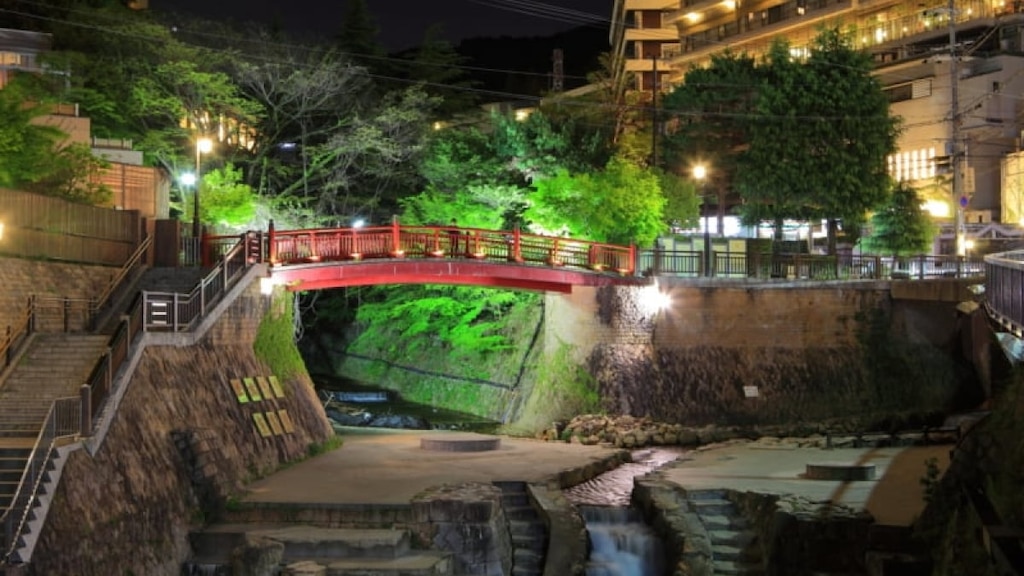
Address: Taiko Bridge, Shinsui Park, and Nene Bridge, Arimacho, Kita-ku, Kobe City, Hyogo Prefecture, Japan
Official Website: http://www.arima-onsen.com/facility_info110.html
Arima Onsen Travel Guide: Top Recommended Tourist Spots and Must-See Attractions
Mar 17, 2026
491 views
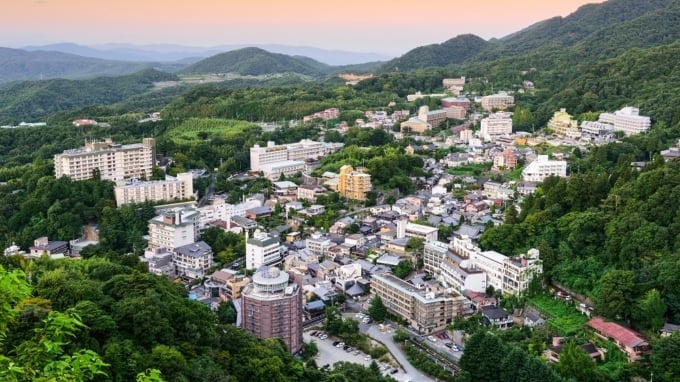
Arima Onsen, counted among Japan’s Three Ancient Hot Springs and Three Famous Hot Springs, is one of the country’s most celebrated spa destinations. Nestled in the mountain valleys on the northern side of the Rokko mountain range in Hyogo Prefecture, at an elevation of around 400 meters, this historic hot spring town is just a short trip from Osaka and Kobe—earning it the nickname “the inner retreat of Kansai.” The location offers excellent accessibility, with direct buses from Osaka International Airport (Itami Airport) taking about 30 minutes, and only about 30 minutes by train from the Shinkansen “Shin-Kobe Station.” Visitors from all over Japan, not just Kansai, come to experience its charms. Since ancient mythology, Arima Onsen has been famous for its rare hot springs that bubble up in non-volcanic mountains, rich in iron and salt. A stroll through the town’s hot spring sources reveals this natural wonder. Beyond bathing, you can visit numerous temples and shrines, enjoy the vivid autumn foliage in scenic parks, explore a toy museum, and even have fun at a fishing pond—offering plenty of attractions beyond the relaxing hot waters.
table of contents
[x] close
Arima Onsen Travel Guide: Top Recommended Tourist Spots and Must-See Attractions
- 1. Arima Onsen
- 2. Taiko Bridge - Shinsui Park - Nene Bridge
- 3. Spring Source Tour
- ◆ Ariake Spring Source
- 4. Zuihoji Park, A Famous Autumn Foliage Spot in Arima Onsen
- 5. Arima Masuike, Fun Fishing & Fresh-Cooked Trout
- 6. Arima Toy Museum
- 7. Arimayama Onsen Zenji Temple
- 8. Arima Inari Shrine
- ◎ Summary
1. Arima Onsen
About Arima Onsen
Arima Onsen is one of Japan’s three oldest and most prestigious hot springs, alongside Dogo Onsen and Shirahama Onsen, as recorded in the ancient Nihon Shoki chronicles. This historic onsen town flourished through the efforts of the Buddhist monk Gyoki, who built temples and promoted its development. During the Sengoku period, the powerful warlord Toyotomi Hideyoshi carried out large-scale renovations, and in the Edo era, it became a territory directly controlled by the shogunate. For centuries, Arima Onsen has been beloved by emperors, samurai, and notable figures, earning its place as one of Japan’s most celebrated spa destinations.
◆ The Unique Waters of Arima Onsen
Arima Onsen is famous for its two distinct types of water: Kinsen (“gold spring”) and Ginsen (“silver spring”).
The Kinsen has a reddish-brown hue due to its high iron content. Classified as a sodium-chloride-rich hot spring, it emerges clear but turns brown when exposed to air. Despite being nestled in the mountains, it contains twice the salinity of seawater, offering moisturizing, warming, and antibacterial benefits. While Ginsen is crystal-clear and includes carbonated springs (tansan-sen) and radon springs (radon-sen), known to promote blood circulation, improve metabolism, and enhance the body’s natural healing power.
One of the reasons Arima Onsen has been cherished since ancient times is the richness of its mineral composition. The springs here contain seven different types of beneficial minerals: iron-rich springs, carbonated springs, bicarbonate springs, radon springs, chloride springs, simple springs, and sulfate springs. Exploring the seven different source wells scattered across the onsen town is a unique and enriching experience for visitors.
2. Taiko Bridge - Shinsui Park - Nene Bridge
At the end of the Kobe Electric Railway’s Arima Line lies Arima Station, the gateway to the famous Arima Onsen hot spring town in Hyogo, Japan. Stepping out of the station and walking a short distance to the right, you’ll find Yumemuri Plaza, featuring a waterfall designed to resemble rising steam and a statue of Toyotomi Hideyoshi. Across the street to the left, the Taiko Bridge gracefully spans the Arima River.
When arriving by car, the sight of Taiko Bridge instantly brings the feeling of “I’ve arrived at Arima!”—a true symbol of the hot spring town. The area around Taiko Bridge and the main Taiko Street is the bustling heart of Arima Onsen, lined with shops, restaurants, and local specialty stores that draw both tourists and locals.
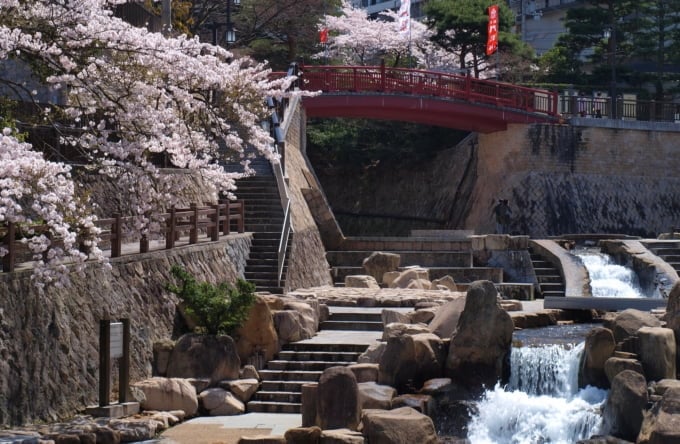
Upstream from Taiko Bridge, you’ll spot the striking red Nene Bridge. Between the two bridges lies Shinsui Park, a charming riverside promenade where visitors can descend to the riverbank and enjoy a peaceful walk along the water. At night, the park transforms into a magical scene with enchanting illuminations, making an evening stroll highly recommended.
3. Spring Source Tour
Embark on a fascinating journey through the seven famous spring sources of Arima Onsen, where you can witness the magical sight of rising steam before soaking in the region’s renowned healing waters. With the official walking map available at the Arima Onsen Tourist Information Center on Taikō Street, follow the recommended Spring Source Course that takes you counterclockwise to each hot spring site. This walking route lets you experience the unique charm and mystery of the hot springs nestled within the mountain valley.
◆ Kin no Yu (Taikō Spring)
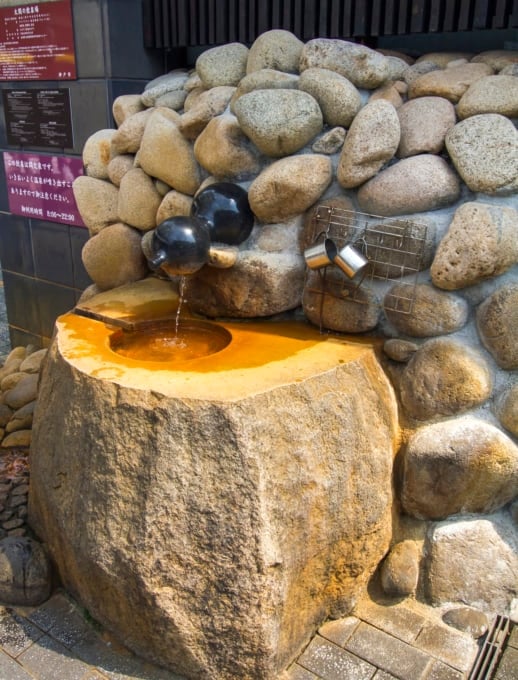
From the Arima Onsen Tourist Information Center, walk to the left and turn left again at the corner of the Hankyu Bus Arima stop. Head toward the Arima Toy Museum, and you’ll spot Kin no Yu, one of the most iconic public baths of Arima Onsen, right across the street. This popular day-use bathhouse is the top choice for travelers who want to enjoy Kinsen (golden hot spring water) at an affordable price.
In front of the Kin no Yu building lies the historic Taikō Spring, the birthplace of Arima Onsen. Once dried up in 1966, it miraculously flowed again after the Great Hanshin-Awaji Earthquake. At this newly built drinking fountain, silver hot spring water flows from a gourd-shaped spout. While drinking the spring water is currently prohibited (as of May 2018), Kin no Yu also offers a free footbath—perfect for a quick, relaxing soak during your visit.
Name: Kin no Yu (Taikō Spring)
Official Website: http://arimaspa-kingin.jp/cont01/cont01-flm.htm
◆ Goshō Spring Source
Just a few minutes’ walk from the famous Kin no Yu hot spring lies the Goshō Spring Source, a powerful natural hot spring bursting with steam. Whether you take the right or left path from Kin no Yu, you’ll quickly arrive at this vibrant source. The water here is a high-temperature sodium chloride strong saline spring rich in iron, producing the signature “golden spring” (kinsen) color. The surrounding area is stained with a deep rust hue, a natural mark of the iron-rich waters continuously flowing from the earth.
◆ Gokuraku Spring Source
A short uphill walk from Goshō Spring Source will bring you to the Garden of Wishes, home to statues of the legendary Three Crows from Arima folklore and the revered Buddhist monk Gyōki Shōnin. Passing through the garden toward Gin no Yu public bath, take the narrow alley to the right just before Gin no Yu. There you will find the Gokuraku Spring Source, another golden spring. History tells us that this source once supplied water to the bathhouse built under the orders of Toyotomi Hideyoshi, one of Japan’s most famous historical figures.
◆ Tansan Spring
Located further up from the famous Gin-no-Yu bathhouse, the Tansan Spring can be found in the Tansan Spring Park after climbing “Tansan-zaka” (Tansan Hill). Here, cool natural carbonated spring water continuously flows from the Tansan Spring Source. Before the Great Hanshin-Awaji Earthquake, this sparkling mineral water was sweetened and sold as cider.
Today, the water from the Tansan Spring is still safe to drink. Simply turn the faucet and take a small sip of the refreshing natural soda water. Its unique taste combines a lively fizzy sensation with a subtle hint of iron—an unusual flavor you won’t easily forget. While you’re here, take the opportunity to enjoy this rare natural drink straight from the source.
◆ Uwanari Spring
Heading back down Tansan-zaka and turning right at the three-way junction, you’ll come across a red torii gate marking the entrance to Uwanari Shrine. In the past, the shrine’s well served as an intermittent spring that would erupt unpredictably. The name “Uwanari-no-Yu” comes from a local legend about a wife who drowned herself here after killing her husband’s mistress. It is said that since then, whenever a beautiful woman approached or when insults were shouted nearby, the water would suddenly gush out.
The original well stopped erupting in the late 1950s, and today, the golden spring water (Kinsen) comes from a newly excavated Uwanari Spring located behind the shrine.
◆ Tenjin Spring Source
From Tosen Spring, walk down Yumotozaka and turn right at the red post box toward Arima Tenjin Shrine. Climb the stone steps and pass through the torii gate, and you’ll be greeted by the impressive “Tenjin Spring Source” roaring with powerful sounds. This spring is one of Arima’s most iconic hot spring sources, gushing out nearly 100°C golden hot spring water with billowing steam. Its mineral-rich composition is a strong saline spring containing iron, and the white crystals forming around it are pure salt deposits.
◆ Ariake Spring Source
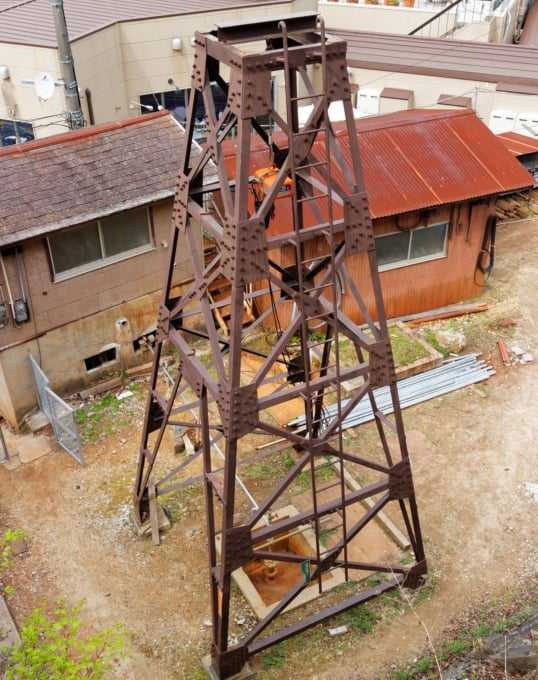
On the way back from Tenjin Spring toward the red post box, turn left onto the path, climb the stairs, and turn left again. You’ll soon spot a tower-like structure—the “Ariake Spring Source.” This golden hot spring, exceeding 90°C, is piped directly to local ryokans (Japanese inns).
From Ariake Spring, follow the road downhill and turn left along the river at the junction. This route will lead you back near Nene Bridge and the Arima Onsen Tourist Information Center. Along the way, you’ll pass historic spots such as Onsen Zen Temple, Gokuraku Temple, and Nenbutsu Temple—making it an ideal course for sightseeing while enjoying a relaxing stroll.
Name: Kinsen Sources (Gosho Spring, Gokuraku Spring, Tosen Spring, Tenjin Spring, Ariake Spring)
Official Website: http://www.arima-onsen.com/facility_info100.html
Name: Ginsen Sources (Taiko Spring, Carbonated Spring)
Official Website: http://www.arima-onsen.com/facility_info101.html
4. Zuihoji Park, A Famous Autumn Foliage Spot in Arima Onsen
Zuihoji Park, located in the upper mountain area on the left side of Arima Onsen town, is one of Kobe’s most stunning autumn foliage destinations. Originally the site of Zuihoji Temple, which was abolished in 1873, the area is now a public park managed by Kobe City. The park is about a 15-minute walk from Taiko Bridge, making it an easy and scenic stroll. During peak autumn season, surrounding roads and parking lots can be heavily congested, so walking is the best way to enjoy the journey.
One of the park’s highlights is the “Higurashi Garden” (Garden of Sunset), named after the saying that visitors get so captivated by the beauty of the maple leaves that they lose track of time until dusk. Here, you’ll find a stone Go board believed to have been used by Toyotomi Hideyoshi. Zuihoji Park is breathtaking not only in autumn but also in spring, when fresh greenery covers the grounds. The remains of stone steps and the old temple gate add historical charm, making it perfect for a relaxing sightseeing stroll surrounded by refreshing nature.
Name: Zuihoji Park
Address: Arimacho, Kita-ku, Kobe, Hyogo Prefecture, Japan
Official Website: http://www.arima-onsen.com/facility_info103.html
5. Arima Masuike, Fun Fishing & Fresh-Cooked Trout
Arima Masuike is a popular fishing pond where you can easily catch rainbow trout and enjoy them freshly cooked on the spot—a favorite among tourists and families. Renovated in March 2018, it has become an even more comfortable and fun experience spot in Arima Onsen.
The pond uses the clean, clear streams from Mt. Rokko, and it’s teeming with energetic rainbow trout. Even beginners can catch fish easily, as they often bite soon after casting. It’s a guaranteed hit for kids! All fishing gear, including rods, is included in the fee, so you can come empty-handed. The fish you catch can be cooked right there as crispy karaage (deep-fried) or flavorful shioyaki (salt-grilled). You can also season your meal with rock salt, herbs, mayonnaise powder, curry powder, and more—perfect for enjoying them hot and fresh.
Located right next to the Ropeway Arima Onsen Station on the Rokko Arima Ropeway, Arima Masuike is a must-visit hands-on experience for families, couples, and groups. Note that the facility has designated closing days, so be sure to check in advance before visiting.
Name: Arima Masuike
Address: 1688-2 Arimacho, Kita-ku, Kobe, Hyogo Prefecture, Japan
Official Website: http://www.shintetsu.co.jp/kanko/masuike/index.html
6. Arima Toy Museum
The Arima Toy Museum is a must-visit attraction where you can see, touch, and play with a fascinating collection of toys from around the world. Spread across four floors (3rd to 6th), the museum showcases around 4,000 toys organized by theme. Highlights include the enchanting British automata (mechanical dolls), the intricate Märklin railway models from Germany, traditional German miniatures crafted by master artisans, nostalgic tin toys, and more. The displays are so detailed and captivating that even adults will be impressed.
Founded by Yuzo Kato, a designer of Glico toy prizes, the museum was later directed by Akio Nishida, a renowned automata artist, who continued Kato’s mission. The museum is designed to let visitors “see, listen, play, and create,” offering a playful world that transcends generations. Here, families can enjoy hands-on experiences in the play space, rediscovering the joy of toys together.
Conveniently located right across from Kin no Yu (Golden Hot Spring), the building also houses a museum shop on the first floor and a hamburger restaurant on the second floor. It’s an ideal stop during your sightseeing stroll—and a perfect rainy-day activity in Arima Onsen.
Name: Arima Toy Museum
Address: 797 Arimacho, Kita-ku, Kobe, Hyogo Prefecture, Japan
Official Website: http://www.arima-toys.jp/
7. Arimayama Onsen Zenji Temple
In the heart of Arima Onsen, between Gosho Spring and the public bath Gin no Yu (Silver Hot Spring), you’ll find three temples side by side: Onsenji, Nembutsuji, and Gokurakuji. The most famous of these is Onsenji Temple.
Formally known as Arimayama Onsen Zenji, this historic temple was founded in the Nara period by the monk Gyoki. It was later revived in the Kamakura period by Saint Ninsei and rebuilt in the Momoyama period with the support of Nene, the wife of Toyotomi Hideyoshi, after a fire. Unfortunately, during the Meiji-era anti-Buddhist movement, all buildings except the Yakushido Hall were demolished. Today, it stands as a Zen temple of the Obaku school, housing the principal deity Yakushi Nyorai. Surrounding the hall are the Twelve Divine Generals, including the Important Cultural Property statue of Bairadaisho.
Nearby, Nembutsuji and Gokurakuji temples also hold their own unique history and charm. The area offers a calm and serene atmosphere—perfect for a quiet temple visit alongside your Arima Onsen hot spring tour.
Name: Arimayama Onsen Zenji Temple
Address: 1643 Arimacho, Kita-ku, Kobe, Hyogo Prefecture, Japan
Official Website: http://www.arima-onsen.com/facility_info111.html
8. Arima Inari Shrine
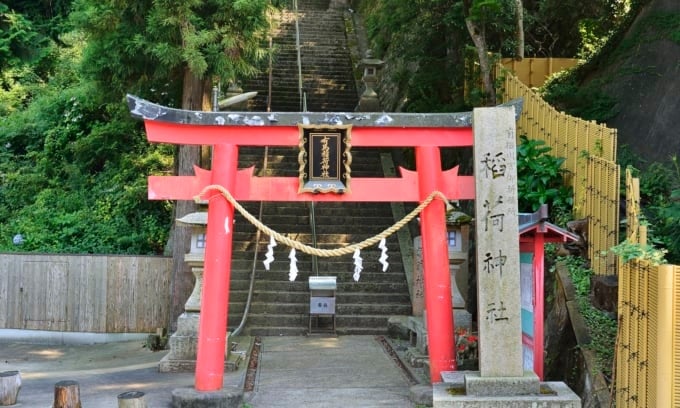
On a clear, sunny day, venture beyond the Carbonated Spring Source Park and head up to Mount Iba (689m above sea level), where the Arima Inari Shrine awaits. This historic shrine is deeply connected to the Japanese Imperial Family, tracing its origins to Emperor Jomei and Emperor Kōtoku, who built the Arima temporary palace. Over the centuries, many princes and members of the imperial household have visited this revered site.
The shrine is located at the top of a long stone staircase, and along the way, you’ll find signboards with motivational haiku poems to encourage you on your climb. At the summit, your effort is rewarded with a breathtaking panoramic view of the entire Arima Onsen town. In early spring, you can admire the pure white magnolia flowers, while autumn brings a serene display of vibrant autumn leaves. It’s a perfect destination that combines both spiritual worship and stunning sightseeing.
Name: Arima Inari Shrine
Address: 1745 Arimacho, Kita Ward, Kobe City, Hyogo Prefecture
Official Website: http://www006.upp.so-net.ne.jp/arimainari/index.html
◎ Summary
While Arima Onsen is famous worldwide, many visitors limit their trip to soaking in hot springs. That’s a missed opportunity! This charming onsen town is packed with inns and hotels along narrow slopes and riversides, offering plenty to see and do. From Kyoto, Osaka, Sannomiya, and Himeji, you can reach Arima Onsen via train or direct bus. If you’re driving, the Hanshin Expressway Kita-Kobe Route and Rokkō-Arima Driveway provide easy access. Whether it’s your first visit or a return trip, go beyond the baths—immerse yourself in Arima Onsen’s rich history, scenic views, and cultural treasures.
RELATED ARTICLES
REGIONS
CATEGORIES
FEATURED ON Japan
-
Ancient history stroll: 8 must-visit tourist spots in Kashihara City for history lovers
-
From the Southeastern of Mount Hakodate, “Tachimachi Cape,” you can gaze out over the sheer cliff coastline and toward the Shimokita and Tsugaru Peninsulas.
-
Informatio About Yokohama Anpanman Children’s Museum
-
5 Must-Visit Tourist Spots in Nagasaki You Can Enjoy Even on Rainy Days
-
A Town in Full Bloom! Top 5 Must-Visit Tourist Spots in Sera, Hiroshima
MOST POPULAR ON Japan
-
 1
1Doha: Must-see Attractions in the Capital of Qatar
-
 2
2Toronto: 10 Things to do in this Picturesque Canadian City
-
 3
3Amarillo: A City Famous for It’s Amazing Canyons, Great History and Music
-
 4
4South Korea: Dazzling Scenery, Rich Culture and Fascinating History
-
 5
5Kuwait: A Country in Middle East Asia Famous for Hot Sand Dunes and Stunning Cityscape